
World News
Dipp uses AI to fix bottlenecks between marketing and design teams on August 22, 2023 at 3:38 am


Before founding dipp, Jennifer Chen and Mikhail Abramov spent 15 years working as art directors in New York City. During that time, Chen says they realized that the marketing, sales and design process have stayed the same, despite new technology and tools being introduced to the market, and is often riddled with bottlenecks.
“Salespeople have sales needs, they communicate with the marketing team and then once the marketing team has a direction they brief a designer, then the designer goes back to the marketer, and then the marketer goes back to the designer,” she said. “There’s that vicious cycle that slows down the entire process because nobody understands the needs and workflow of the other department.”
Dipp was launched three years ago to automate much of that workflow, and allow marketing and design teams to collaborate more effectively, while focusing on their own performance metrics. For example, if a marketing team wants to update a price on their ad, all they need to do is enter it into a spreadsheet instead of asking a designer. The Taipei-based startup recently raised $1.5 million in seed funding from investors including SparkLabs Taiwan, Palm Drive Capital and content-tech unicorn Tezign, and will launch generative AI-powered features soon.
To use dipp, brands first set up a brand guideline with information including fonts, colors and layout (or they can upload an Adobe Photoshop file). That data is then turned into a dipp file with everything remaining editable. Then prices and other information for ads are uploaded into a spreadsheet, with each row representing a product, so visual assets can be edited in batches. This helps marketing and design teams keep up with the massive amount of visual content that is needed to sell online—Chen said brands typically generate 300 to 500 images at a time, which dipp can help them do in minutes.
dipp’s team
The brands dipp works with are typically Fortune 500 companies in apparel and beauty selling a large number of products, or upwards of 500 SKUs. They have high product rotation rates, often with weekly launches of 20 or more products, and sell on three or more marketplaces, alongside social media advertising campaigns. Chen says most have large sales and marketing teams, but a shortage of designers. Its customers include Levi’s, Estée Lauder and Rakuten. Dipp also works with e-commerce enablers, or agencies that help brands distribute products across multiple channels.
Since its launch, dipp has primarily focused on Taiwan, but is expanding into Southeast Asia, with new clients in Singapore, the Philippines and Thailand. Dipp started in New York, but the team decided to move to Taiwan after getting into Taipei-based accelerator Appworks because of the market potential it saw in Asia.
For example, brands here hold a high number of sales promotions. “Throughout the year, it’s not just Black Friday or Christmas, there’s a sale every month,” Chen said. “There’s a busy season starting in June that goes all the way to Chinese New Year.”
In terms of competition, Chen says potential customers often ask how dipp is different from Rocketium, which helps creative teams build very large marketing campaigns. Chen says dipp differentiates by focusing on e-commerce because brands in Asia often sell through multiple online channels at the same time, including PC Home, Momo, Shopee and Lazada. Each marketplace has its own unique guidelines for visual content, including file sizes and dimensions. That information is embedded into dipp’s platform, so brands can automate their ads to fit different requirements.
Dipp is now working on integrating generative AI into its platform to help address gaps between marketing and design departments. For example, it will allow marketers to use prompts to generate images as a first draft of ideas to present to designers. It also automates the process of reviewing designs, or checking details like character limit and formatting to meet the requirements of different marketplaces and social media platforms.
Dipp’s new funding will be used for team expansion, especially in its R&D and business departments.
In a statement, Palm Drive Capital founding partner Seamon Chan said, “With global venture capital investments in generative AI reaching US$1.7 billion in the first quarter of this year, we are thrilled to support dipp in enhancing their e-commerce solution with AI capabilities. As the company has validated its value proposition in Taiwan by offering a much-needed solution to the multichannel e-commerce operation of global brands, we are optimistic that this solution will bring disruptive impact on e-commerce operating workflows through the APAC region.”
Before founding dipp, Jennifer Chen and Mikhail Abramov spent 15 years working as art directors in New York City. During that time, Chen says they realized that the marketing, sales and design process have stayed the same, despite new technology and tools being introduced to the market, and is often riddled with bottlenecks. “Salespeople have




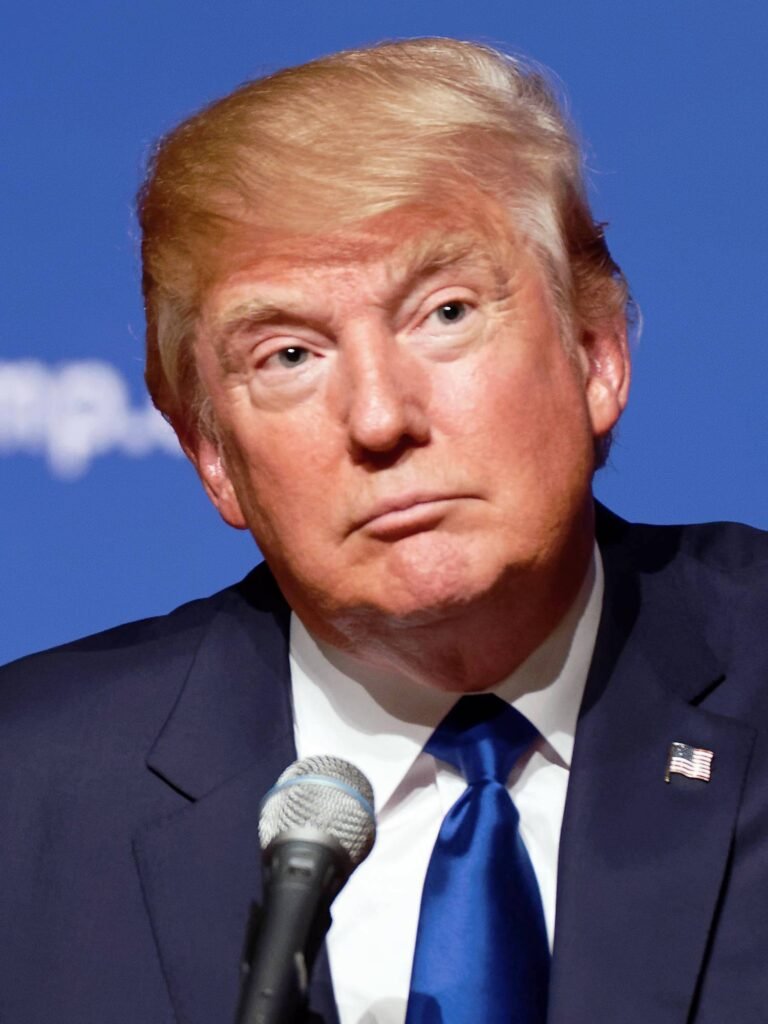
President Donald Trump says the United States might one day get rid of federal income tax because of money the government collects from tariffs on imported goods. Tariffs are extra taxes the U.S. puts on products that come from other countries.
What Trump Is Saying
Trump has said that tariff money could become so large that it might allow the government to cut income taxes “almost completely.” He has also talked about possibly phasing out income tax over the next few years if tariff money keeps going up.
How Taxes Work Now
Right now, the federal government gets much more money from income taxes than from tariffs. Income taxes bring in trillions of dollars each year, while tariffs bring in only a small part of that total. Because of this gap, experts say tariffs would need to grow by many times to replace income tax money.
Questions From Experts
Many economists and tax experts doubt that tariffs alone could pay for the whole federal budget. They warn that very high tariffs could make many imported goods more expensive for shoppers in the United States. This could hit lower- and middle‑income families hardest, because they spend a big share of their money on everyday items.
What Congress Must Do
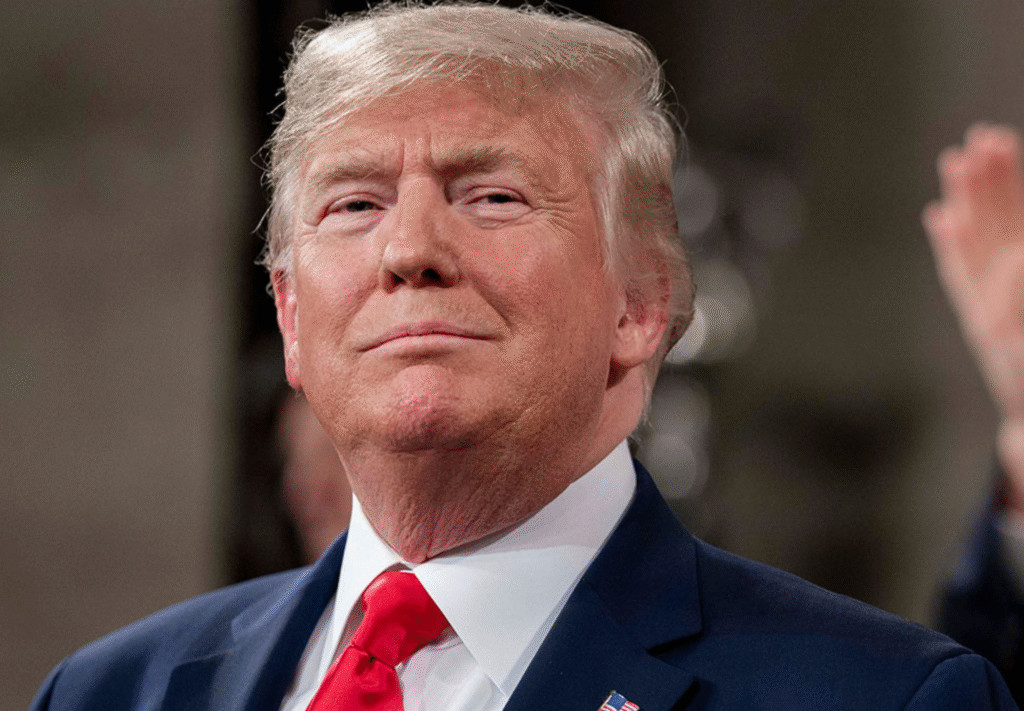
The president can change some tariffs, but only Congress can change or end the federal income tax. That means any real plan to remove income tax would need new laws passed by both the House of Representatives and the Senate. So far, there is no detailed law or full budget plan on this idea.
What It Means Right Now
For now, Trump’s comments are a proposal, not a change in the law. People and businesses still have to pay federal income tax under the current rules. The debate over using tariffs instead of income taxes is likely to continue among lawmakers, experts, and voters.
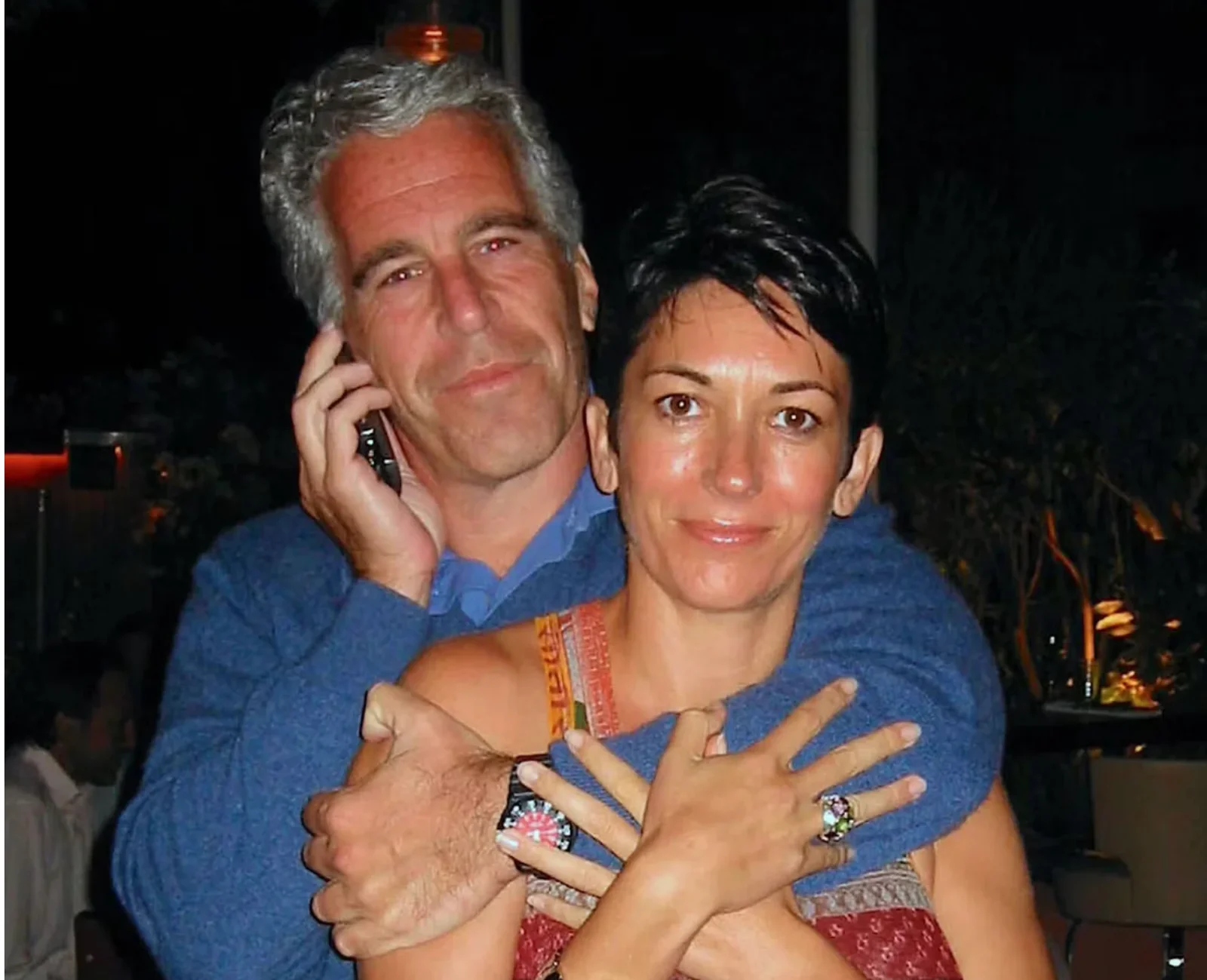
Former President Donald Trump has signed an executive order directing federal agencies to declassify all government files related to Jeffrey Epstein, the disgraced financier whose death in 2019 continues to fuel controversy and speculation.
The order, signed Wednesday at Trump’s Mar-a-Lago estate, instructs the FBI, Department of Justice, and intelligence agencies to release documents detailing Epstein’s network, finances, and alleged connections to high-profile figures. Trump described the move as “a step toward transparency and public trust,” promising that no names would be shielded from scrutiny.
“This information belongs to the American people,” Trump said in a televised statement. “For too long, powerful interests have tried to bury the truth. That ends now.”
U.S. intelligence officials confirmed that preparations for the release are already underway. According to sources familiar with the process, the first batch of documents is expected to be made public within the next 30 days, with additional releases scheduled over several months.

Reactions poured in across the political spectrum. Supporters praised the decision as a bold act of accountability, while critics alleged it was politically motivated, timed to draw attention during a volatile election season. Civil rights advocates, meanwhile, emphasized caution, warning that some records could expose private victims or ongoing legal matters.
The Epstein case, which implicated figures in politics, business, and entertainment, remains one of the most talked-about scandals of the past decade. Epstein’s connections to influential individuals—including politicians, royals, and executives—have long sparked speculation about the extent of his operations and who may have been involved.
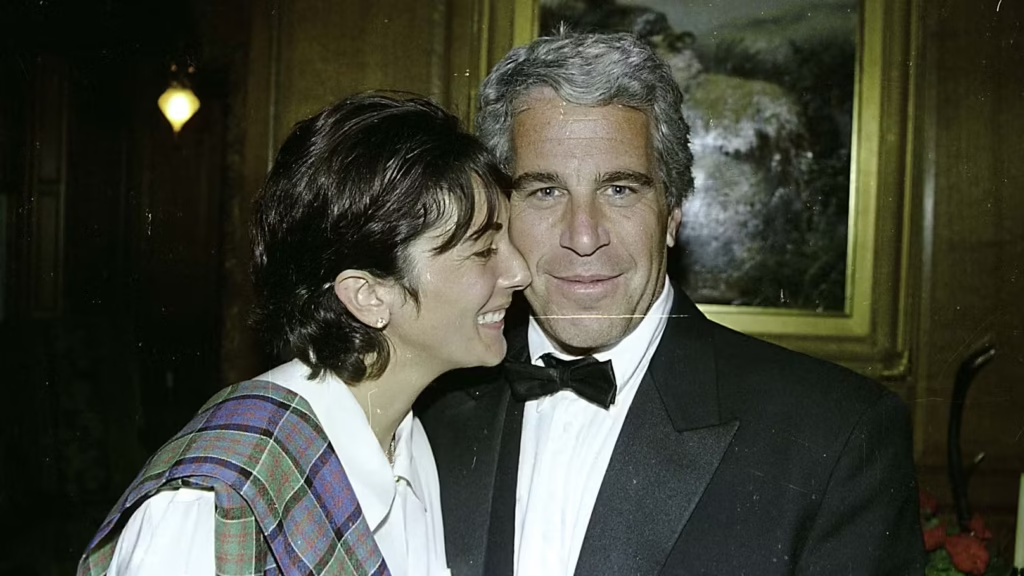
Former federal prosecutor Lauren Fields said the release could mark a turning point in public discourse surrounding government transparency. “Regardless of political stance, this declassification has the potential to reshape how Americans view power and accountability,” Fields noted.
Officials say redactions may still occur to protect sensitive intelligence or personal information, but the intent is a near-complete disclosure. For years, critics of the government’s handling of Epstein’s case have accused agencies of concealing evidence or shielding elites from exposure. Trump’s order promises to change that narrative.
As anticipation builds, journalists, legal analysts, and online commentators are preparing for what could be one of the most consequential information releases in recent history.
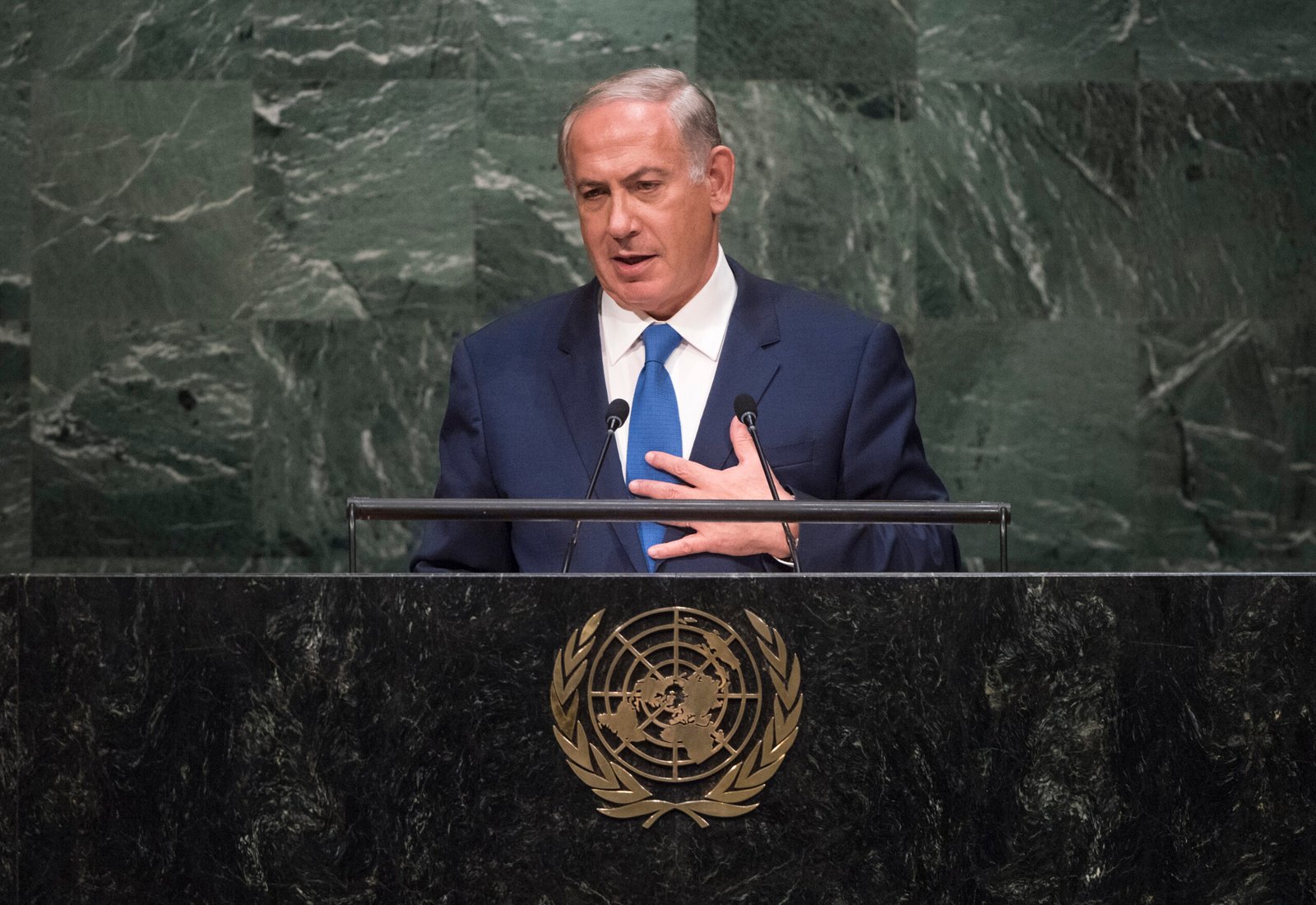
What Happened at the United Nations
On Friday, Israeli Prime Minister Benjamin Netanyahu addressed the United Nations General Assembly in New York City, defending Israel’s ongoing military operations in Gaza. As he spoke, more than 100 delegates from over 50 countries stood up and left the chamber—a rare and significant diplomatic walkout. Outside the UN, thousands of protesters gathered to voice opposition to Netanyahu’s policies and call for accountability, including some who labeled him a war criminal. The protest included activists from Palestinian and Jewish groups, along with international allies.

Why Did Delegates and Protesters Walk Out?
The walkouts and protests were a response to Israel’s continued offensive in Gaza, which has resulted in widespread destruction and a significant humanitarian crisis. Many countries and individuals have accused Israel of excessive use of force, and some international prosecutors have suggested Netanyahu should face investigation by the International Criminal Court for war crimes, including claims that starvation was used as a weapon against civilians. At the same time, a record number of nations—over 150—recently recognized the State of Palestine, leaving the United States as the only permanent UN Security Council member not to join them.
International Reaction and Significance
The diplomatic walkouts and street protests demonstrate increasing global concern over the situation in Gaza and growing support for Palestinian statehood. Several world leaders, including Colombia’s President Gustavo Petro, showed visible solidarity with protesters. Petro called for international intervention and, controversially, for US troops not to follow orders he viewed as supporting ongoing conflict. The US later revoked Petro’s visa over his role in the protests, which he argued was evidence of a declining respect for international law.

Why Is This News Important?
The Gaza conflict is one of the world’s most contentious and closely-watched issues. It has drawn strong feelings and differing opinions from governments, activists, and ordinary people worldwide. The United Nations, as an international organization focused on peace and human rights, is a key arena for these debates. The events surrounding Netanyahu’s speech show that many nations and voices are urging new action—from recognition of Palestinian rights to calls for sanctions against Israel—while discussion and disagreement over the best path forward continue.

This episode at the UN highlights how international diplomacy, public protests, and official policy are all intersecting in real time as the search for solutions to the Israeli-Palestinian conflict remains urgent and unresolved.

The Timothée Chalamet Guide to Ruining Your Image

Did OnlyFans Save Creators—or Trap Them?

How She Earns $40M+ In 2026


 Advice2 weeks ago
How to Find Your Voice as a Filmmaker
- News2 weeks ago
How Misinformation Overload Breaks Creative Focus
- Film Industry4 weeks ago
Dr. Ric Mathis Turns a Film Screening Into a Lifesaving Movement With Heartbeat
- News3 weeks ago
From Seen to Secured: How Filmmakers Are Owning Their Value
- News4 weeks ago
Idris Elba’s Multimillion-Dollar Film Studio Is Coming to Ghana
- News4 weeks ago
March 1 in NYC: Love Notes From Harlem at Don’t Tell Mama
- Entertainment1 week ago
7 Filmmaking Lessons From Michael B. Jordan’s Oscar Moment
- Entertainment1 week ago
This scene almost broke him. And changed his career.