Entertainment
Conrad vs. Jeremiah: Inside ‘The Summer I Turned Pretty’ Love Triangle on August 4, 2023 at 10:45 pm Us Weekly

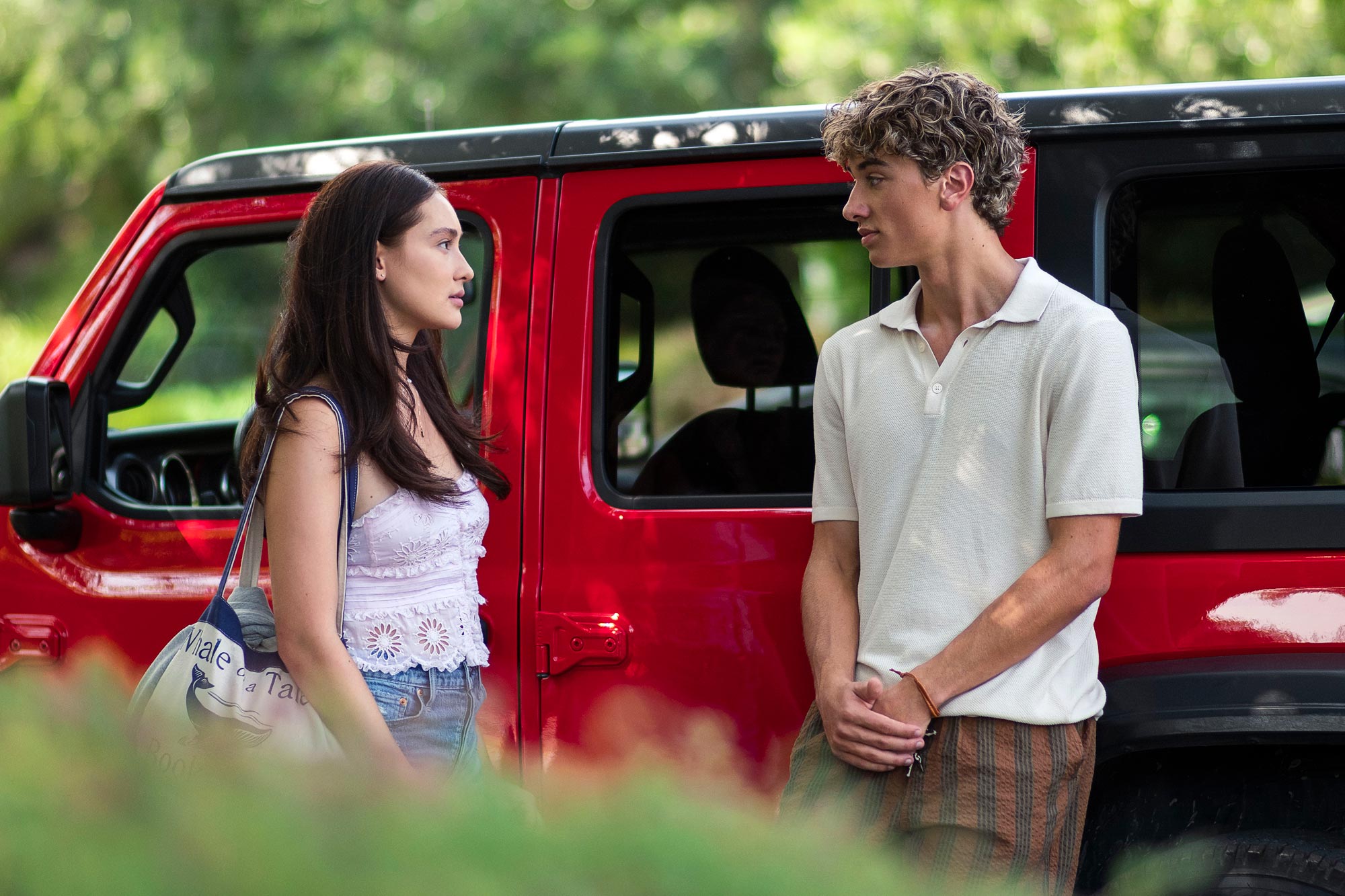
The Summer I Turned Pretty is a universal coming-of-age story — and one that depicts what happens when a girl finds herself caught between two brothers.
The teen drama, which debuted in June 2022 and is based the book series of the same name, follows Belly Conklin (Lola Tung) as she navigates growing up — and figuring out her relationships with Conrad (Christopher Briney) and Jeremiah Fisher (Gavin Casalegno). The three-book series features the siblings fighting for Belly’s attention, with Belly exploring her feelings for both boys before making a final decision in the third novel.
While season 1 and season 2 of the Prime series — which premiered in July 2023 – loosely follow the narrative of the books, Casalegno revealed that Jenny Han, who wrote the novels and is showrunner of the TV adaptation, may choose to change how things play out on screen.
“I do feel like there’s a strong chance that that’s a possibility,” the actor exclusively told Us Weekly, adding that he doesn’t think too hard about what the future of his character looks like while filming.
“I try to keep it as real as possible in that regard. Obviously, I know where he ends up going and what ends up happening. But I don’t emphasize … that. Because I think Jenny [Han] writes it so well that I’m able to kind of get there naturally without having to force it a certain direction,” Casalegno told Us. “So even though I know where he is going, I try to play it day by day because that’s all we can do. [We can] just live in the moment and make the most of our time right.”
For Han, it was about looking at her own novels through the eyes of her fans.
“I approached it like, what do I think are the most important elements of the story to keep? And what do the fans care the most about? I am able to pull from all the emails, letters, and comments I’ve seen over the years from fans, so that’s how we looked at this adaptation,” she told Collider in June 2022. “What do the original fans care most about? And then, also for me, what’s going to be most like fun and exciting to explore?”
As for where Briney and Casalegno stand, they both have unwavering loyalty to their own characters — no matter what. “I’m Team Conrad, bro. I might be biased, but I have to be,” Briney told J-14 in June 2022. Casalegno, meanwhile, admitted that it’s that a “tough situation” when picking sides, but he would “have to be Team Jeremiah” at the end of the day.
Tung, however, has a different approach to the situation altogether — putting female empowerment above all else. “I will forever be Team Belly,” she told the outlet at the time. “I believe in her finding herself and going on this journey.”
Keep scrolling for a complete breakdown of The Summer I Turned Pretty love triangle:
Belly’s All Grown Up
When Belly arrives at Cousins during the pilot, both Conrad and Jeremiah are taken aback by how grown up she looks – and sparks immediately fly for both brothers.
A New and Unexpected Tension
While Belly has an easy and light-hearted dynamic with Jeremiah, there is a heaviness between her and Conrad in the first few episodes of season 1.
Skirting around how they really feel, the twosome end up displaying serious jealousy. Belly throws shade at Conrad’s girlfriend, Nicole, at a beach bonfire, while Conrad teases Belly by showing up on her date with Cam Cameron (David Iacono) at the drive-in movie theater. Belly later explodes at Conrad, claiming he gives her a hard time about dating because he has feelings for her.
Fireworks and a Close Call
Jeremiah shows his own jealous streak in season 1 episode 4 when he catches Belly and Conrad about to kiss on the deck and almost shoots a firework at them. He later manipulates a situation with Nicole by suggesting she invite Conrad to go out of town for a concert — which would leave him alone with Belly.
A Big Blowout
After their almost-kiss, Belly breaks up with Cam for Conrad. When Conrad still refuses to be with her despite the fact he “thinks about” her often, she decides to let him go and stop waiting for him.
Lola Tung (Belly), Gavin Casalegno (Jeremiah). Erika Doss/Prime Video
A Surprise Confession
Realizing that Belly and Conrad aren’t going to be together, Jeremiah confesses his feelings to her and they kiss in the pool during season 1 episode 5. They later play together in a volleyball tournament, but Conrad ends up subbing in for Jeremiah after they start to lose. Seeing Conrad and Belly win their match and embrace, Jeremiah starts to wonder if Belly still has feelings for his brother.
Picking a Disaster Date
Belly decides to take Jeremiah to the summer debutante ball as her date. However, he goes MIA when he finds out his mom, Susannah (Rachel Blanchard), has cancer again. Conrad takes his place during the final dance, reigniting sparks between himself and Belly. “I’m glad it was me,” he tells her afterward.
A Love Returns
Despite casually dating Jeremiah, Belly and Conrad confess their feelings for each other in the final scene of season 1. Conrad tells her that he “needs” and “wants” her and the pair finally share a kiss.
Coming Clean
During the season 2 premiere, Belly tells Jeremiah she wants to be with Conrad. Angry, he warns her that Conrad will only “break her heart.” Belly decides that being with Conrad while Susannah is sick — and Jeremiah is so hurt — will only do more damage. With summer ending, they decide to take some space from each other.
A Long-Distance Reconnection
Belly and Conrad start talking on the phone as “friends.” He eventually shows up at her house, telling her he could “never get over” her.
Lola Tung (Belly), Christopher Briney (Conrad) Erika Doss/Prime Video
An Invisible String Tied Together
Belly and Conrad share a night together in Cousins at Christmas in the second episode of season 2 and have sex for the first time.
A Punctuated Prom Night
Belly and Conrad continue to date until spring of Belly’s junior year of high school. A flashback during season 2 episode 3 reveals Conrad takes Belly to the prom, but breaks up with her during the dance, leaving her heartbroken.
A Hard Goodbye
Following Susannah’s death in season 2 episode 3, Belly attempts to be there for Jeremiah at the funeral but ends up getting distracted by Conrad, who she finds lying down with a mystery girl. She tells Conrad she “hates” him and never wants to see him again.
Summer Again
Belly calls Jeremiah at the end of season 2 episode 3 because she misses him. While he answers the phone, it’s because Conrad has disappeared from college. The pair then head off to find Conrad and end up having a blowout fight on the side of the road. Jeremiah confesses he wasn’t OK with Belly and Conrad being together and she apologizes for hurting them. The twosome make up and start to repair their friendship.
You Can’t Go Back
Jeremiah and Belly find out Conrad is in Cousins. When they arrive, Conrad is upset Belly is there — and reveals Susannah’s sister is selling the family’s house.
A Brotherly Bond
Jeremiah and Conrad, who have been slightly estranged since Conrad began dating Belly, apologize to each other and promise to work together to save their summer home.
An Unexpected Spark
After holding hands while riding the Tower of Terror together in season 4 episode 4, sparks begin to fly between Belly and Jeremiah. While Belly admits to Taylor (Rain Spencer) that there might be something building between them, Jeremiah, for his part, is hesitant.
The twosome seemingly almost kiss while sharing a soda in season 2 episode 5, but Jeremiah ultimately turns down the chance to kiss Belly during Truth or Dare later that night. When she asks why he doesn’t want to lock lips, Jeremiah replies, “Because if I kissed you I don’t know that I could ever stop.” When Belly asks him to explain, Jeremiah tells her, “It’s complicated.”
Flashbacks from Jeremiah’s point of view later in the episode reveal how hurt he was seeing Belly and Conrad together, despite telling them it was OK that they dated.
A Heart Divided
As Belly continues to grow closer to Jeremiah in season 2 episode 6 — the pair almost kiss twice including while in the pool, a callback to their season 1 makeout — she also finds herself having difficult conversations with Conrad.
While shopping for party supplies, Belly apologies for treating Conrad poorly at his mother’s funeral. Conrad, for his part, confesses he was with his ex-girlfriend because she found him during a panic attack — but says he wishes Belly had found him instead. The twosome then have a drunken moment on the beach where Belly tells Conrad she would have fought for him if she knew how much he cared.
“I thought we loved other,” she says through tears. After he answers, “We did,” she replies, “I guess not enough.”
At the end of the episode, Belly finds herself between both brothers — literally and figuratively. As the party rages around them, she stands in the middle of the room while Jeremiah and Conrad stare at her, but she’s unable to move one way or the other.
The Summer I Turned Pretty is a universal coming-of-age story — and one that depicts what happens when a girl finds herself caught between two brothers. The teen drama, which debuted in June 2022 and is based the book series of the same name, follows Belly Conklin (Lola Tung) as she navigates growing up —
Us Weekly Read More


Continue Reading

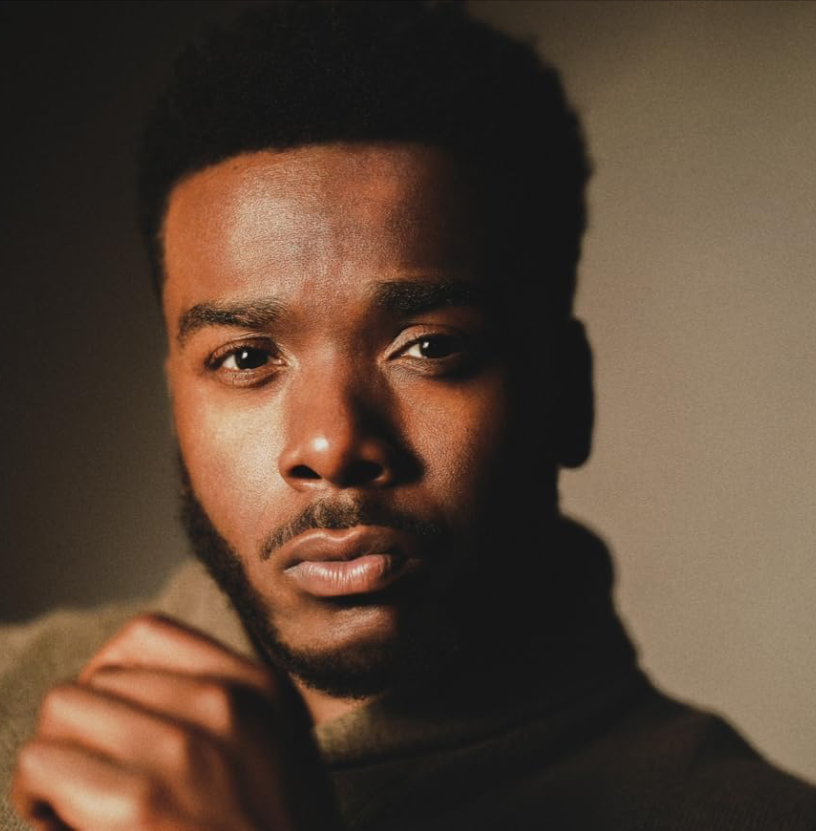
As Sinners surges into the cultural conversation, it’s impossible to ignore the force of Christian Robinson’s performance. His “let me in” door scene has become one of the film’s defining moments—raw, desperate, and unforgettable. But the power of that scene makes the most sense when you understand the journey that brought him there.
From church play to breakout roles
Christian’s path didn’t begin on a Hollywood set. It started in a Brooklyn church, when a woman named Miss Val kept asking him to be in a play.
“I told her no countless times,” he remembers. “Every time she saw me, she asked me and she wouldn’t stop asking me.”
He finally said yes—and everything changed.
“I did it once and I fell in love,” he says. That one performance pushed him into deep research on the craft, a move to Atlanta, and years of unglamorous work: training, auditioning, stacking small wins until he booked his first roles and then Netflix’s Burning Sands, where many met him as Big Country.
By the time Sinners came along, he wasn’t a newcomer hoping to get lucky. He was an actor who had quietly built the muscles to carry something bigger.
The door scene: life or death
On The Roselyn Omaka Show, Christian shared the directing note Ryan Coogler gave him before filming the door scene:
“He explained to me, ‘I need you to bang on this door as if your life depended on it. Like it’s a matter of life and death.’”
Christian didn’t just turn up the volume; he reached deeper.
“This film speaks a lot about our ancestors,” he told Roselyn Omaka. “So I tried to give a glimpse of what our ancestors would’ve experienced if someone or something that could bring ultimate destruction was after them. How hard would they bang? How loud would they scream to try to get into a place safely? That’s what I intended to convey in that moment.”
That inner picture—life or death, ancestors, ultimate destruction—is why the scene hits like more than a plot beat. It feels like generational memory breaking through a single frame.
Living through a “history” moment in real time
When Roselyn asks what he’s processing as Sinners takes off, Christian admits he’s still inside the wave.
“I’ve never experienced a project with this level of reception and energy and momentum,” he says. “People having their theories and breaking it down and doing reenactments… it’s never been a time like this in my career.”
He’s careful not to over‑define something that’s still unfolding: “There’s no way to give an accurate description of what I’m experiencing while I’m still experiencing it.” He knows he’ll need distance to name it fully.
But he can name one thing: “If I could gather any adjective to describe it, it would be gratefulness. I’m grateful.”
He also feels the weight of what this film might mean long-term:
“To know that I was there for a large amount of the time it was being brought to life, and a part of what the internet is saying will be history… this is something that I’m inspired by—to shoot for the stars in whatever passion rooted in creativity that you possess.”
Music, joy, and the man behind the moment
Christian talks about the music of Sinners as another force that shaped him. The score wasn’t playing nonstop; it showed up in key moments.
“The music was played when it was necessary to be played. But when it was played, it resonated,” he says. Hearing Miles Caton’s songs early, before the world did, he remembers thinking, “This is going to be magical… This is one of the ones right here.”
For all the heaviness of the story, he also brought levity. He laughs about being the jokester on set—singing Juvenile and Lil Wayne in the New Orleans hair and makeup trailer, trying to make everyone smile during Essence Fest weekend. “I’m a fun guy,” he says. “I love to see people laugh and have a good time.”
PATHS for us and opening doors
What might be most revealing is how seriously Christian takes his responsibility off screen. In 2015, sitting in his apartment outside Atlanta, he felt God tell him to start a nonprofit called PATHS.
“I heard from God and he told me to start a nonprofit called PATHS,” he recalls. At first, he and his peers went into schools and inner‑city communities to teach young people “the many different paths to entering the entertainment industry”—not just the craft, but “the practical steps and establishing yourself, like the business of an actor… a stunt person, hair and makeup, etc.”
When the pandemic hit and school visits stopped, he pivoted to a podcast and digital platform: “Fine, I’ll do it,” he laughs. Now PATHS for us lets “anyone anywhere that desires to be in entertainment hear from credible entertainment industry professionals on how they got to where they are and how you can do the same.”
Working on Sinners confirmed that he should go all in: “It just gave me exactly what I needed to know that I should pour my all into it.”
Honoring a history-making moment
As Sinners takes off, Christian keeps coming back to one word: gratefulness—for the film, for the collaborators, for the chance to be part of something people are calling historic.
At Bolanle Media, we see more than a viral scene. We see an artist whose craft is rooted in faith, ancestors, and hard-earned discipline; whose joy lifts the rooms he works in; and whose platform is opening real paths for others.
This scene almost broke him. And changed his career.
Now, as the world catches up, Christian Robinson is using that breakthrough not just to walk through new doors—but to help the next generation find theirs.

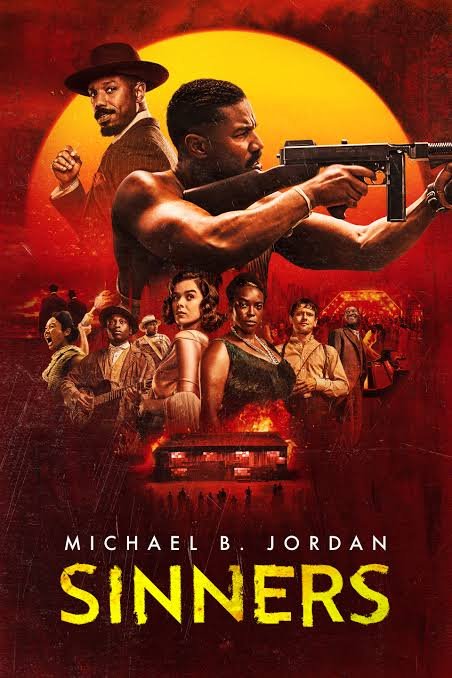
Michael B. Jordan’s first Oscar win for Sinners isn’t just a milestone for his career — it’s a masterclass for filmmakers watching from the edit bay, the writing desk, or the no‑budget set.
For years, Jordan has been building toward this moment: from early TV roles to his breakout in Fruitvale Station, the cultural shockwave of Black Panther, and his evolution into a producer and director. His Sinners performance and awards run crystallize a set of habits, choices, and values that rising filmmakers can actually use.
1. “Find Your Coogler”: The Power of Long-Term Collaboration
Jordan’s professional story is inseparable from his collaboration with Ryan Coogler. They’ve moved together from intimate indie drama to franchise-level spectacle, and now to awards-season dominance with Sinners.
“Find your people and grow with them, not just next to them.”
For filmmakers, the takeaway is simple:
- Stop thinking in “one‑off” crews.
- Start identifying the producers, DPs, editors, writers, and actors you want to build years of work with.
That kind of trust lets you move faster, go deeper, and take bigger risks together.
2. Preparation That Lets You Jump Off the Cliff
Jordan has talked in interviews about preparing so thoroughly that he can “let go” when the cameras roll. The homework — script work, character study, physical training, emotional research — is what makes the risk possible.
You can translate that directly into a filmmaking workflow:
- Do the table read.
- Break down the script scene by scene.
- Build visual references and emotional maps.
The more you handle before you’re on set, the more you can afford to explore, improvise, and discover in real time.
“Preparation buys you freedom on set.”
3. Take the “Bad Idea” Swing
A key pattern in Jordan’s choices is betting on material that doesn’t always look safe or obvious on paper. Roles and projects that feel intense, specific, or risky are often the ones that end up resonating the most.
For filmmakers, that means:
- Stop sandpapering your scripts into something generic.
- Start protecting the sharp edges — the personal details, the uncomfortable moments, the cultural specifics.
The project that scares you a little might be the one that actually breaks you out.
“If it feels too safe, it’s probably not big enough.”
4. One Hat at a Time (On Purpose)
Jordan is a modern multi-hyphenate — actor, producer, director — but he’s also strategic about when he wears which hat. On some projects, he leans fully into performance and trusts his team with everything else; on others, like Creed III, he steps behind the camera and takes on the entire vision.
Filmmakers can learn from that restraint:
- It’s okay to not direct, shoot, edit, and produce every single project.
- Choosing one primary role per project can sharpen the overall result.
Ask yourself on each film: “What’s the one role where I add the most value here?” Then structure the team accordingly.
“You don’t have to do everything on every film.”

5. Build an Ecosystem, Not Just a Résumé
Through his company and slate, Jordan is doing more than collecting credits. He’s building an ecosystem where the stories he cares about have a home — a pipeline for voices, genres, and perspectives that might not get space elsewhere.
That’s a roadmap for independent filmmakers and media founders:
- Create recurring spaces (a series, a channel, a festival, a label) where your sensibility is the default.
- Think beyond the single film; think in seasons, slates, and communities.
Your “ecosystem” might start as a simple recurring short-film series on your site, or a curated block at a festival. Over time, it becomes infrastructure.
“Don’t just book jobs. Build a world.”

6. Honor the Lineage You Stand On
When he accepted his Oscar, Jordan made a point to acknowledge the Black artists and legends who paved the way before him. That posture matters. It keeps ego in check and places today’s wins inside a longer lineage of struggle and progress.
Filmmakers can mirror that by:
- Citing their influences openly.
- Educating themselves on the history of the craft, especially in their own communities.
- Using their platforms to shine a light on peers and predecessors.
This isn’t just about being gracious; it’s about knowing you’re part of a story bigger than one awards season.
“Your win is a chapter, not the whole book.”
7. Let the Win Raise Your Standards
The most powerful thing about this moment is that it doesn’t feel like a finish line. Jordan’s energy reads as: this is motivation, not retirement. The recognition becomes pressure to work smarter, deeper, and more intentionally.
Filmmakers can turn every “win” — whether it’s an Oscar, a festival laurel, a viral clip, or a private email from someone impacted by your work — into fuel for the next draft and the next shoot.
Ask:
- What did I do well here that I can codify into my process?
- Where did I get lucky, and how can I replace luck with craft next time?
“Treat every win as a new baseline, not a peak.”
Why This Matters for Our Community
At Bolane Media, we see Michael B. Jordan’s Oscar moment not just as a celebrity headline, but as a roadmap for emerging storytellers — especially those building from underrepresented communities and independent spaces.
If you’re a filmmaker reading this:
- Identify one of these seven lessons.
- Apply it to your next project, not the hypothetical big one five years from now.
Then share your work with us. We want to see what you build.

Every filmmaker aspires to create projects that are not only memorable but also uniquely their own. Finding your creative voice is a journey that requires self-reflection, bold choices, and an unwavering commitment to your vision. Here’s how to uncover your style, take risks, and craft original work that stands out.
1. Discovering Your Voice: Understanding Your Influences
Your unique voice begins with recognizing what inspires you.
- Step 1: Reflect on the themes, genres, or emotions that consistently draw your interest. Are you inspired by human resilience, surreal worlds, or untold histories?
- Step 2: Study the work of filmmakers you admire. Analyze what resonates with you—their use of color, pacing, or narrative techniques.
Tip: Combine what you love with your personal experiences to create a lens that only you can offer.
Example: Wes Anderson’s whimsical, symmetrical worlds stem from his love of classic storytelling and his unique visual style.

Takeaway: Start with what moves you, then add your personal touch.
2. Taking Creative Risks: Experiment and Evolve
To stand out, you must be willing to challenge conventions and explore new territory.
- Experimentation: Try unusual storytelling structures, such as non-linear timelines or silent sequences.
- Collaboration: Work with people outside your usual circle to gain fresh perspectives.
- Feedback: Screen your projects for trusted peers and be open to constructive criticism.
Example: Jordan Peele blended horror with social commentary in Get Out, creating a genre-defying film that captivated audiences.
Takeaway: Risks are an opportunity for growth, even if they don’t always succeed.
3. Telling Original Stories: Start with Authenticity
Original projects resonate when they stem from a place of truth.
- Draw from Experience: Incorporate elements of your own life, culture, or worldview into your stories.
- Explore the “Why”: Ask yourself why this story matters to you and how it connects with your audience.
- Avoid Trends: Focus on timeless narratives rather than chasing current fads.
Example: Greta Gerwig’s Lady Bird was deeply personal, based on her experiences growing up in Sacramento. The film’s authenticity made it universally relatable.

Takeaway: The more personal the story, the more it resonates.
4. Developing Your Style: Consistency Meets Creativity
Style is not just about visuals—it’s how you tell a story across all elements of filmmaking.
- Visual Language: Experiment with colors, lighting, and framing to create a distinct aesthetic.
- Narrative Voice: Develop consistent themes or motifs across your projects.
- Sound Design: Use music, sound effects, and silence to evoke specific emotions.
Example: Quentin Tarantino’s use of dialogue, pop culture references, and bold music choices makes his work instantly recognizable.
Takeaway: Your style should be intentional, evolving as you grow but always recognizable as yours.
5. Staying True to Yourself: Building Confidence in Your Vision
The filmmaking process is full of challenges, but staying true to your voice is essential.
- Stay Authentic: Trust your instincts, even if your ideas seem unconventional.
- Adapt Without Compromise: Be open to feedback but maintain your core vision.
- Celebrate Your Growth: View every project, successful or not, as a stepping stone in your creative journey.
Example: Ava DuVernay shifted from public relations to filmmaking, staying true to her voice in films like Selma and 13th, which focus on social justice.
Takeaway: Your voice evolves with every project, so embrace the process.
Conclusion: From Idea to Screen, Your Voice is Your Superpower
Finding your voice as a filmmaker takes time, courage, and commitment. By exploring your influences, taking risks, and staying true to your perspective, you’ll craft stories that not only stand out but also resonate deeply with your audience.
Bolanle Media is excited to announce our partnership with The Newbie Film Academy to offer comprehensive courses designed specifically for aspiring screenwriters. Whether you’re just starting out or looking to enhance your skills, our resources will provide you with the tools and knowledge needed to succeed in the competitive world of screenwriting. Join us today to unlock your creative potential and take your first steps toward crafting compelling stories that resonate with audiences. Let’s turn your ideas into impactful scripts together!

Advice20 hours ago
Stop Waiting for Permission — The Film Industry Just Rewrote the Rules

News3 days ago
How ‘Sinners’ Won The Oscars: Filmmaker Notes

Entertainment3 days ago
This scene almost broke him. And changed his career.


 Advice4 weeks ago
How to Make Your Indie Film Pay Off Without Losing Half to Distributors
- Advice1 week ago
How to Find Your Voice as a Filmmaker
- Film Industry4 weeks ago
Why Burnt-Out Filmmakers Need to Unplug Right Now
- News4 weeks ago
Harlem’s Hottest Ticket: Ladawn Mechelle Taylor Live
- News1 week ago
How Misinformation Overload Breaks Creative Focus
- Entertainment3 weeks ago
When “Professional” Means Silent
- News2 weeks ago
From Seen to Secured: How Filmmakers Are Owning Their Value
- Film Industry3 weeks ago
Dr. Ric Mathis Turns a Film Screening Into a Lifesaving Movement With Heartbeat