
World News
All hail the new EU law that lets social media users quiet quit the algorithm on August 25, 2023 at 11:40 am


Internet users in the European Union are logging on to a quiet revolution on mainstream social networks today: The ability to say ‘no thanks’ to being attention hacked by AI.
Thanks to the bloc’s Digital Services Act (DSA), users of Meta’s Facebook and Instagram, ByteDance’s TikTok and Snap’s Snapchat can easily decline “personalized” content feeds based on “relevance” (i.e. tracking) — and switch to a more humble kind of news feed that’s populated with posts from your friends displayed in chronological order. And this is just the tip of the regulatory iceberg. The changes apply to major platforms in the EU but some are being rolled out globally as tech giants opt to streamline elements of their compliance.
Facebook actually got out ahead of today’s DSA compliance deadline by launching a chronological new Feeds tab last month — doing so globally, seemingly, not just in the EU. But it’s a safe bet Meta wouldn’t have made the move without the bloc passing a law that mandates mainstream platforms give users a choice to see non-personalized content.
Notably the new chronological Facebook news feed does not show any “Suggested For You” posts at all. And that total separation of tracking-based content recommendations from non-personalized content selections is absolutely down to the DSA. If Meta could injection a little AI-powered attention hacking into the humble chronological news feed it surely would. But the bloc’s law requires no crossing of these streams. Respect for user agency demands a space safe from surveilling AIs.
We’ve also recently seen YouTube announce that logged in users with the ‘watch history’ feature turned off won’t be bothered by next video recommendations based on profiling what they’ve watched before. Also, seemingly, a change it’s decided to roll out everywhere, not just in the EU — but again a development that’s clearly been driven by the DSA.
You might ask why does the ability to switch off profiling-based content recommendations matter? Isn’t it a relatively minor detail in the grand scheme of platform power? Well yes and no. The power of platforms to keep users engaged inside their walled gardens derives from a number of factors — one of which is the massive information asymmetry they can wield against our eyeballs by tracking what we click at, engage with, linger on, search for and so on.
Content choices based on this tracking don’t even have to be very sophisticated — and, indeed, the programming can feel terribly crude. Such as how, for the past many, many months, after I happened to watch a cat video on Instagram, my Home feed has been peppered with unavoidable injections of fur. And these suggested cat videos never seem to end. It’s truly been the longest tail…
Instagram feed screengrab: Natasha Lomas/TechCrunch
How this typically went down was after scrolling through the (smaller) stack of Instagram posts from people I do actually follow (still peppered with suggested cat videos) the AI would take over — populating the rest of the feed (apparently bottomless) with what seemed like an infinite selection of cat videos. Cats being cute, cats being acrobatic, cats being funny, cats being memed, cats being rescued from dire conditions… It got to the point where I would dread logging on to Instagram because of what I would be compelled to look at.
Now don’t get me wrong, I love cats. So, naturally, I’m a fan of cute cat videos. But I sure don’t love a firehose of fur being force-injected into my eyeballs just so Mark Zuckerberg can hold me on his platform a bit longer and keep getting richer than Croesus. It’s pure manipulation and boy does that feel ick. So I have actually been counting down the days for DSA compliance to kick in — and usher in a legal end to this unavoidable algorithmic cat parade.
Today on Instagram I can report finding fur-free peace at last!
Of course the AI-selected cat videos haven’t gone very far. The home feed page now offers two choices: “Following” and “For you” — the second of which remains populated with plenty of furry felines. But at least I can now opt to see only posts from accounts I follow and actively avoid the stuff that’s been selected to try to hack my attention.
Instagram’s ‘Explore’ tab appears to default to algorithmic content selections (“For you”) but click on the down arrow next to the label and you’ll also now see a novel option: “Not personalized”. Click on that and the feed of content Meta’s AIs calculated would best grab the user’s eyeballs (in my case that’s cats and climbing videos) is replaced by a grid of images that look culled from a National Geographic-inspired stock photo selection. Frankly it looks a bit boring but I never looked at the Explore tab anyway. And boring is peaceful.
Over on Facebook, switch on the new (though actually retro) chronological news feed and it makes the platform feel — momentarily — like an entirely different product as friends whose posts would typically be buried by the algorithm as too quotidian (i.e. not engaging enough) sudden get their 15 minutes of fame and pop up right there in your eyeline.
The Facebook home page still defaults to an AI-sorted view, including personalized recommendations for Reels and Stories. But if you switch to the chronological news feed it’s a throwback to Facebook circa 2008, before the platform flipped from ranking posts in reverse chronological order to applying a popularity filter (based on engagement). And we all know what happened to the tone of social media discourse after adtech giants’ algorithms started selecting for outrage… So don’t underestimate the power of a humble news feed comprised of friends’ unsorted shower thoughts. This might be just the sort of content revolution our hyper-polarized societies need.
An ‘AI off’ switch could make even bigger splash on TikTok — where the stickiness of its content selection algorithm has been credited with driving major viral trends and powering the platform’s overall popularity. But stepping away from its AI firehose will still require users to exercise their agency — since the regulation only demands that platforms offer a choice which is not based on profiling. So it remains to be seen whether TikTok’s community will engage with the new non-personalized feeds.
They might just be horrified at how banal lots of the stuff posted to the platform can be once they step outside the AI-filtered attention bubble. While a generation of digital native social media influencers will surely flee screaming from the prospect of reduced engagement. But other users who are tired of influencer babble polluting their feeds might just be weeping with relief at the prospect of an easy toggle to remove distracting noise.
The impact of increased empowerment of users on mainstream platforms may not lead to immediate big bang change. But we should celebrate our new ability to quiet quit their algorithms. It’s long overdue.
Think of it as the start of the unbundling of platform power. The DSA, along with its sister regulation the Digital Markets Act — an ex ante competition reform which targets the most powerful intermediating digital platforms — is a substantial piece of regulation that puts many more demands on platforms than providing users with a free choice to deny personalization. Including requiring they identify and mitigate systemic risks that arise from their use of AIs; and open up their data to external researchers so independent academics can robustly study technosocial impacts, to name two.
That kind of public interest visibility atop tech giants is also long overdue. And the information asymmetry that adtech giants, especially, have exploited to fatten their bottom lines at our eyeballs’ expense has always been drastically unfair.
It’s past time they gave back. And it’s past time we had simple options to stop their content targeting systems from stealing our free time.
Quiet quitting the algorithm could be the next big trend. Just don’t expect this one to go viral.
Internet users in the European Union are logging on to a quiet revolution on mainstream social networks today: The ability to say ‘no thanks’ to being attention hacked by AI. Thanks to the bloc’s Digital Services Act (DSA), users of Meta’s Facebook and Instagram, ByteDance’s TikTok and Snap’s Snapchat can easily decline “personalized” content feeds




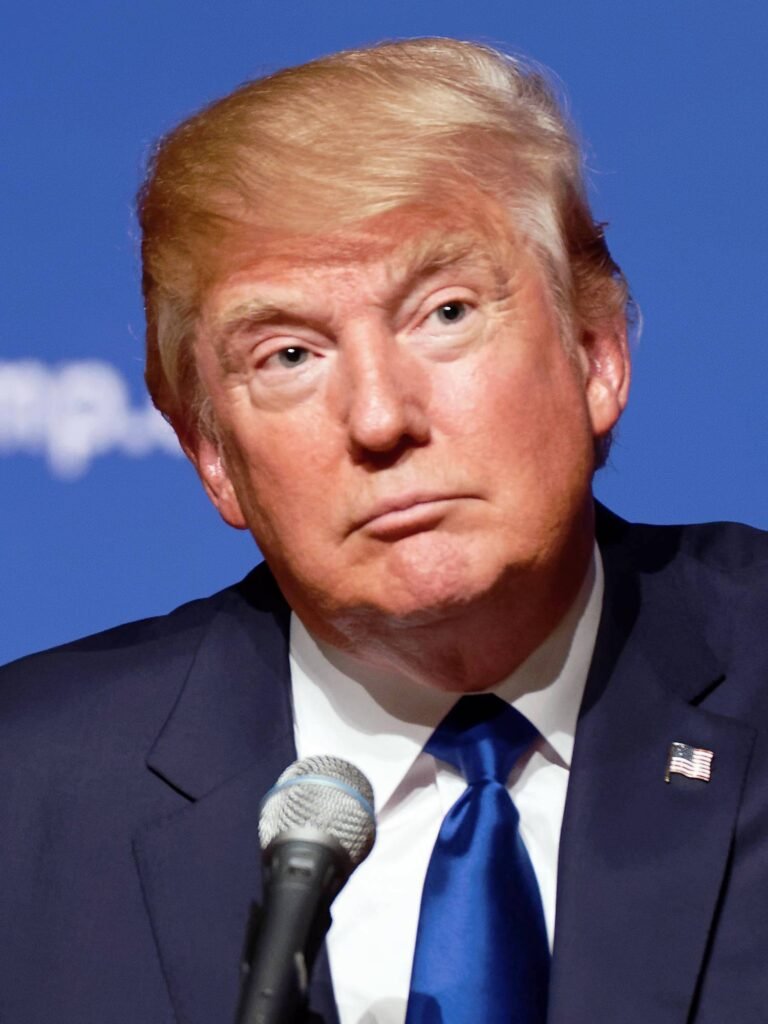
President Donald Trump says the United States might one day get rid of federal income tax because of money the government collects from tariffs on imported goods. Tariffs are extra taxes the U.S. puts on products that come from other countries.
What Trump Is Saying
Trump has said that tariff money could become so large that it might allow the government to cut income taxes “almost completely.” He has also talked about possibly phasing out income tax over the next few years if tariff money keeps going up.
How Taxes Work Now
Right now, the federal government gets much more money from income taxes than from tariffs. Income taxes bring in trillions of dollars each year, while tariffs bring in only a small part of that total. Because of this gap, experts say tariffs would need to grow by many times to replace income tax money.
Questions From Experts
Many economists and tax experts doubt that tariffs alone could pay for the whole federal budget. They warn that very high tariffs could make many imported goods more expensive for shoppers in the United States. This could hit lower- and middle‑income families hardest, because they spend a big share of their money on everyday items.
What Congress Must Do
The president can change some tariffs, but only Congress can change or end the federal income tax. That means any real plan to remove income tax would need new laws passed by both the House of Representatives and the Senate. So far, there is no detailed law or full budget plan on this idea.
What It Means Right Now
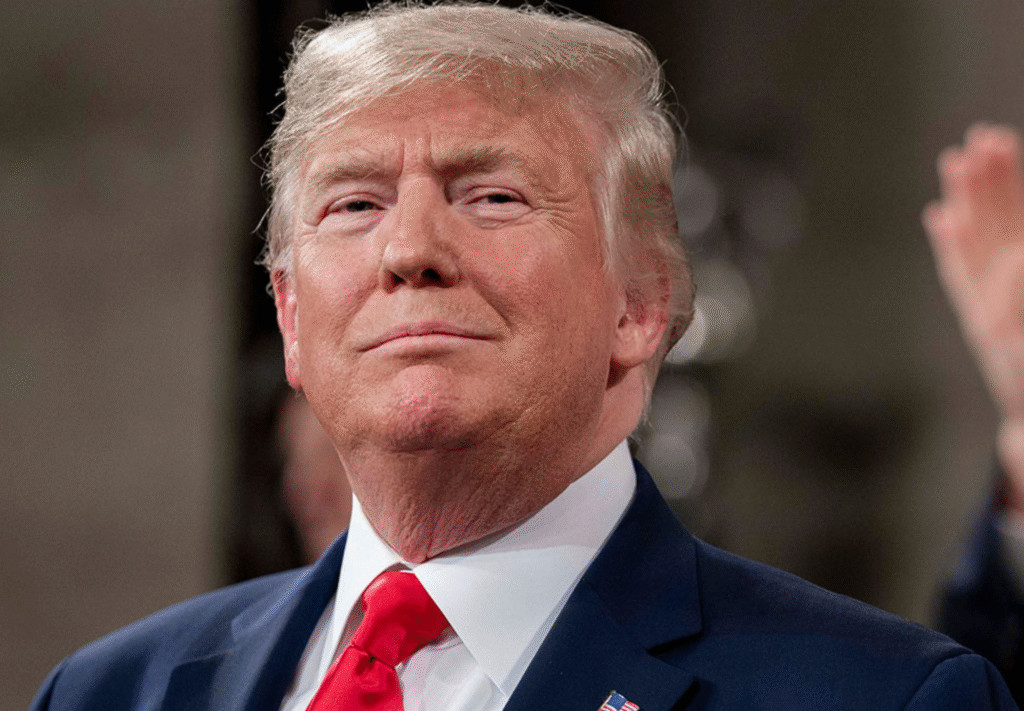
For now, Trump’s comments are a proposal, not a change in the law. People and businesses still have to pay federal income tax under the current rules. The debate over using tariffs instead of income taxes is likely to continue among lawmakers, experts, and voters.
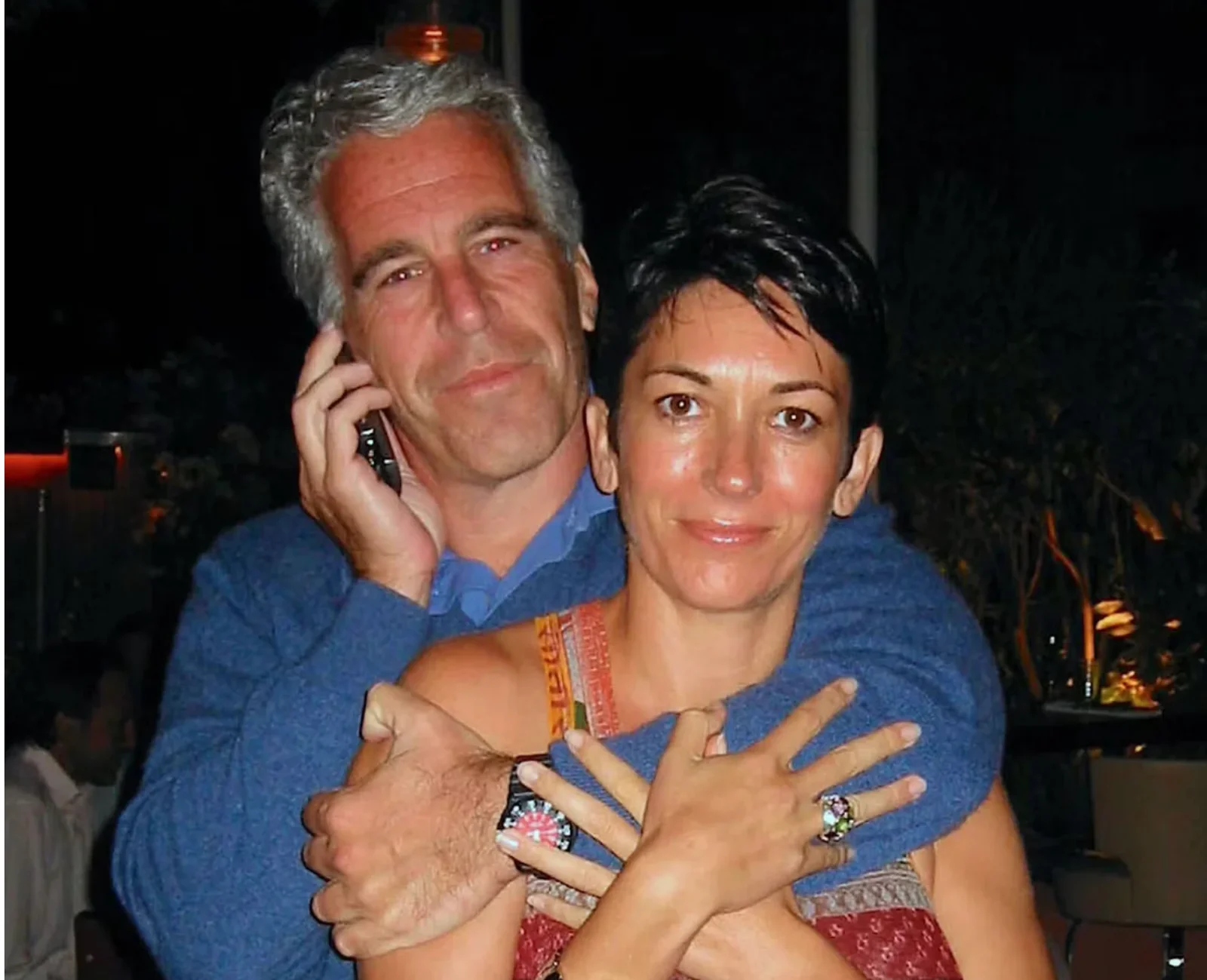
Former President Donald Trump has signed an executive order directing federal agencies to declassify all government files related to Jeffrey Epstein, the disgraced financier whose death in 2019 continues to fuel controversy and speculation.
The order, signed Wednesday at Trump’s Mar-a-Lago estate, instructs the FBI, Department of Justice, and intelligence agencies to release documents detailing Epstein’s network, finances, and alleged connections to high-profile figures. Trump described the move as “a step toward transparency and public trust,” promising that no names would be shielded from scrutiny.
“This information belongs to the American people,” Trump said in a televised statement. “For too long, powerful interests have tried to bury the truth. That ends now.”
U.S. intelligence officials confirmed that preparations for the release are already underway. According to sources familiar with the process, the first batch of documents is expected to be made public within the next 30 days, with additional releases scheduled over several months.

Reactions poured in across the political spectrum. Supporters praised the decision as a bold act of accountability, while critics alleged it was politically motivated, timed to draw attention during a volatile election season. Civil rights advocates, meanwhile, emphasized caution, warning that some records could expose private victims or ongoing legal matters.
The Epstein case, which implicated figures in politics, business, and entertainment, remains one of the most talked-about scandals of the past decade. Epstein’s connections to influential individuals—including politicians, royals, and executives—have long sparked speculation about the extent of his operations and who may have been involved.
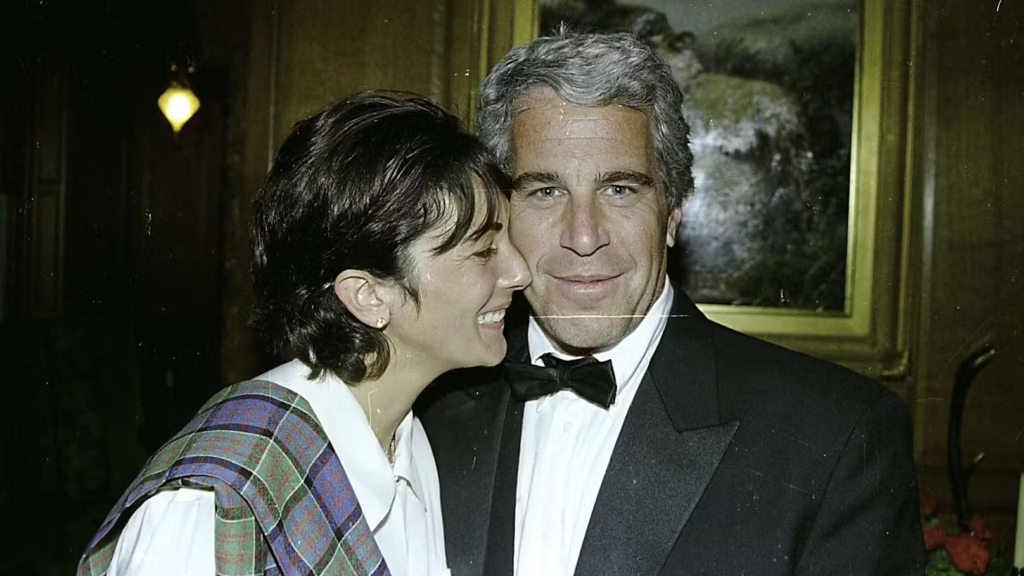
Former federal prosecutor Lauren Fields said the release could mark a turning point in public discourse surrounding government transparency. “Regardless of political stance, this declassification has the potential to reshape how Americans view power and accountability,” Fields noted.
Officials say redactions may still occur to protect sensitive intelligence or personal information, but the intent is a near-complete disclosure. For years, critics of the government’s handling of Epstein’s case have accused agencies of concealing evidence or shielding elites from exposure. Trump’s order promises to change that narrative.
As anticipation builds, journalists, legal analysts, and online commentators are preparing for what could be one of the most consequential information releases in recent history.

What Happened at the United Nations
On Friday, Israeli Prime Minister Benjamin Netanyahu addressed the United Nations General Assembly in New York City, defending Israel’s ongoing military operations in Gaza. As he spoke, more than 100 delegates from over 50 countries stood up and left the chamber—a rare and significant diplomatic walkout. Outside the UN, thousands of protesters gathered to voice opposition to Netanyahu’s policies and call for accountability, including some who labeled him a war criminal. The protest included activists from Palestinian and Jewish groups, along with international allies.

Why Did Delegates and Protesters Walk Out?
The walkouts and protests were a response to Israel’s continued offensive in Gaza, which has resulted in widespread destruction and a significant humanitarian crisis. Many countries and individuals have accused Israel of excessive use of force, and some international prosecutors have suggested Netanyahu should face investigation by the International Criminal Court for war crimes, including claims that starvation was used as a weapon against civilians. At the same time, a record number of nations—over 150—recently recognized the State of Palestine, leaving the United States as the only permanent UN Security Council member not to join them.
International Reaction and Significance
The diplomatic walkouts and street protests demonstrate increasing global concern over the situation in Gaza and growing support for Palestinian statehood. Several world leaders, including Colombia’s President Gustavo Petro, showed visible solidarity with protesters. Petro called for international intervention and, controversially, for US troops not to follow orders he viewed as supporting ongoing conflict. The US later revoked Petro’s visa over his role in the protests, which he argued was evidence of a declining respect for international law.

Why Is This News Important?
The Gaza conflict is one of the world’s most contentious and closely-watched issues. It has drawn strong feelings and differing opinions from governments, activists, and ordinary people worldwide. The United Nations, as an international organization focused on peace and human rights, is a key arena for these debates. The events surrounding Netanyahu’s speech show that many nations and voices are urging new action—from recognition of Palestinian rights to calls for sanctions against Israel—while discussion and disagreement over the best path forward continue.

This episode at the UN highlights how international diplomacy, public protests, and official policy are all intersecting in real time as the search for solutions to the Israeli-Palestinian conflict remains urgent and unresolved.

Why Most Indie Films Fail (And How to Avoid It)

The Franchise Is Over. Here’s Who’s Winning Now.

What Kanye’s ‘Father’ Says About Power, Faith, and Control


 Advice4 weeks ago
How to Find Your Voice as a Filmmaker
- News4 weeks ago
How Misinformation Overload Breaks Creative Focus
- News2 weeks ago
The Timothée Chalamet Guide to Ruining Your Image
- Entertainment3 weeks ago
7 Filmmaking Lessons From Michael B. Jordan’s Oscar Moment
- Entertainment3 weeks ago
This scene almost broke him. And changed his career.
- Advice3 weeks ago
Stop Waiting for Permission — The Film Industry Just Rewrote the Rules
- Entertainment1 week ago
The machine isn’t coming. It’s aleady the room.
- News3 weeks ago
How ‘Sinners’ Won The Oscars: Filmmaker Notes