


World News
This week in AI: Amazon ‘enhances’ reviews with AI while Snap’s goes rogue on August 19, 2023 at 2:31 pm


Keeping up with an industry as fast-moving as AI is a tall order. So until an AI can do it for you, here’s a handy roundup of the last week’s stories in the world of machine learning, along with notable research and experiments we didn’t cover on their own.
This week in AI, Amazon announced that it’ll begin tapping generative AI to “enhance” product reviews. Once it rolls out, the feature will provide a short paragraph of text on the product detail page that highlights the product capabilities and customer sentiment mentioned across the reviews.
Sounds like a useful feature, no? Perhaps for shoppers and sellers. But what about reviewers?
I’m not going to make the case that Amazon reviews are a form of high art. On the contrary, a fair number on the platform aren’t real — or are AI-generated themselves.
But some reviewers, whether out of genuine concern for their fellow shopper or an effort to get the creative juices flowing, put time into crafting reviews that not only inform, but entertain. Summaries of these reviews would do them an injustice — and miss the point entirely.
Perhaps you’ve stumbled upon these gems. Often, they’re found in the review sections for books and movies, where, in my anecdotal experience, Amazon reviewers tend to be more… verbose.
Image Credits: Amazon
Take Amazon user “Sweet Home’s” review of J. D. Salinger’s “Catcher in the Rye,” which clocks in at over 2,000 words. Referencing the works of William S. Burroughs and Jack Kerouac as well as George Bernard Shaw, Gary Snyder and Dorothy Parker, Sweet Home’s review is less a review than a thorough analysis, picking at and contextualizing the novel’s threads in an attempt to explain its staying power.
And then there’s Bryan Desmond’s review of “Gravity’s Rainbow,” the infamously dense Thomas Pynchon novel. Similarly wordy — 1,120 words — it not only underlines the book’s highlights (dazzling prose) and lowlights (outdated attitudes, particularly toward women), as one would expect from a review, but relays in great detail Desmond’s experience of reading it.
Could AI summarize those? Sure. But at the expense of nuance and insight.
Of course, Amazon doesn’t intend to hide reviews from view in favor of AI-generated summaries. But I fear that reviewers will be less inclined to spend nearly as much time and attention if their work goes increasingly unread by the average shopper. It’s a grand experiment, and I suppose — as with most of what generative AI touches — only time will tell.
Here are some other AI stories of note from the past few days:
My AI goes rogue: Snapchat’s My AI feature, an in-app AI chatbot launched earlier this year with its fair share of controversy, briefly appeared to have a mind of its own. On Tuesday, the AI posted its own Story to the app and then stopped responding to users’ messages, which some Snapchat users found disconcerting. Snapchat parent company Snap later confirmed it was a bug.
OpenAI proposes new moderation technique: OpenAI claims that it’s developed a way to use GPT-4, its flagship generative AI model, for content moderation — lightening the burden on human teams.
OpenAI acquires a company: In more OpenAI news, the AI startup acquired Global Illumination, a New York–based startup leveraging AI to build creative tools, infrastructure and digital experiences. It’s OpenAI’s first public acquisition in its roughly seven-year history.
A new LLM training dataset: The Allen Institute for AI has released a huge text dataset for large language models (LLMs) along the lines of OpenAI’s ChatGPT that’s free to use an open for inspection. Dolma, as the dataset is called, is intended to be the basis for the research group’s planned open language model, or OLMo (Dolma is short for “Data to feed OLMo’s Appetite).
Dishwashing, door-opening robots: Researchers at ETH Zurich have developed a method to teach robots to perform tasks like opening and walking through doors — and more. The team says the system can be adapted for different form factors, but for the sake of simplicity, they executed demos on a quadruped — which can be viewed here.
Opera gets an AI assistant: Opera’s web browser app for iOS is getting an AI assistant. The company announced this week that Opera on iOS will now include Aria, its browser AI product built in collaboration with OpenAI, integrated directly into the web browser, and free for all users.
Google embraces AI summaries: Google this week rolled out a few new updates to its nearly three-month-old Search Generative Experience (SGE), the company’s AI-powered conversational mode in Search, with a goal of helping users better learn and make sense of the information they discover on the web. The features include tools to see definitions of unfamiliar terms, those that help to improve your understanding and coding information across languages and an interesting feature that lets you tap into the AI power of SGE while you’re browsing.
Google Photos gains AI: Google Photos added a new way to relive and share your most memorable moments with the introduction of a new Memories view, which lets you save your favorite memories or create your own from scratch. With Memories, you can build out a scrapbook-like timeline that includes things like your most memorable trips, celebrations and daily moments with loved ones.
Anthropic raises more cash: Anthropic, an AI startup co-founded by former OpenAI leaders, will receive $100 million in funding from one of the biggest mobile carriers in South Korea, SK Telecom, the telco company announced on Sunday. The funding news comes three months after Anthropic raised $450 million in its Series C funding round led by Spark Capital in May.
More machine learnings
I (that is, thine co-author Devin) was at SIGGRAPH this last week, where AI, despite being a bogeyman in the film and TV industry right now, was in full force as both a tool and research subject. I’ll have a longer story soon about how it’s being used by VFX artists in innovative and totally uncontroversial ways soon, but the papers on display were also pretty great. This session in particular had several interesting new ideas.
Image Credits: Tel Aviv University
Image generating models have this weird thing where if you tell them to draw “a white cat and a black dog,” it often mixes the two up, ignores one, or makes a catdog or animals that are both black and white. An approach from Tel Aviv University called “attend and excite” sorts the prompt into its constituent pieces through attention, and then makes sure the resulting image contains proper representations of each. The result is a model much better at parsing multi-subject prompts. I’d expect to see something like this integrated into art generators soon!
Image Credits: MIT/Max Planck Institute
Another weakness of generative art models is that if you want to make small changes, like the subject looking a little more to the side, you have to redo the whole thing — sometimes losing what you liked about the image to begin with. “Drag Your GAN” is a pretty astonishing tool that lets the user set and move points one by one or several at a time – as you can see in the image, a lion’s head can be turned, or its mouth opened, by regenerating just that portion of the image to accord with the new proportions. Google is in the author list so you can bet they’re looking at how to use this.
Image Credits: Tel Aviv University
This “semantic typography” paper is more fun, but also extremely clever. By treating each letter as a vector image and nudging that image towards a vector image of the object a word refers to, it creates pretty impressive logotypes. If you’re stuck on how to turn your company name into a visual pun, this could be a great way to get started.
Elsewhere, we have some interesting cross-pollination between brain science and AI.
Well, it’s not quite this simple.
These Berkeley researchers used a machine learning model to interpret brain activity while listening to music, and reconstruct some of the clusters that were focused on rhythm, melody, or vocals. I’m always skeptical of this kind of “we read the brain” type studies, so take it all with a grain of salt, but ML is great at isolating a signal in noise, and brain activity is very, very noisy.
MIT and Harvard teamed up to try to advance our understanding of astrocytes, cells in the brain that perform some as-yet-unknown function. They propose that the cells may act as something like a transformer or attention mechanism – a machine learning concept being mapped onto the brain rather than vice versa! Senior paper author Dmitry Krotov from MIT sums it up well:
The brain is far superior to even the best artificial neural networks that we have developed, but we don’t really know exactly how the brain works. There is scientific value in thinking about connections between biological hardware and large-scale artificial intelligence networks. This is neuroscience for AI and AI for neuroscience.
In medical AI, data from consumer devices is often considered noisy as well, or unreliable. But again, ML systems can adapt, as this new paper from Yale shows. The research should move us closer to wearables that warn us of heart-related issues before they become acute.
Students demonstrate their empty chair finding app.
One of GPT-4’s first practical applications was use in Be My Eyes, an app that helps blind folks navigate with the help of a remote partner. EPFL students developed two more apps that could be pretty nice for anyone with a visual impairment. One simply directs the user towards an empty seat in a room, and the other reads off only the relevant info from medicine bottles: the active ingredient, dosage, etc. Such simple but necessary tasks!
Lastly we have the toddler-equivalent “RoboAgent” developed by CMU and Meta, which aims to learn everyday skills like picking things up or understanding object interactions just by looking and touching things — the way a child does.
“An agent capable of this sort of learning moves us closer to a general robot that can complete a variety of tasks in diverse unseen settings and continually evolve as it gathers more experiences,” said CMU’s Shubham Tulsiani. You can learn more about the project below:
Keeping up with an industry as fast-moving as AI is a tall order. So until an AI can do it for you, here’s a handy roundup of the last week’s stories in the world of machine learning, along with notable research and experiments we didn’t cover on their own. This week in AI, Amazon announced that it’ll


Business
GLOBAL SUSTAINABILITY SUMMIT RETURNS FOR ITS 5TH EDITION AT THE BRITISH PARLIAMENT – HOUSE OF LORDS, PALACE OF WESTMINSTER

FOR IMMEDIATE RELEASE
Theme: “People, Planet, and Profit in the Age of AI and Innovation”
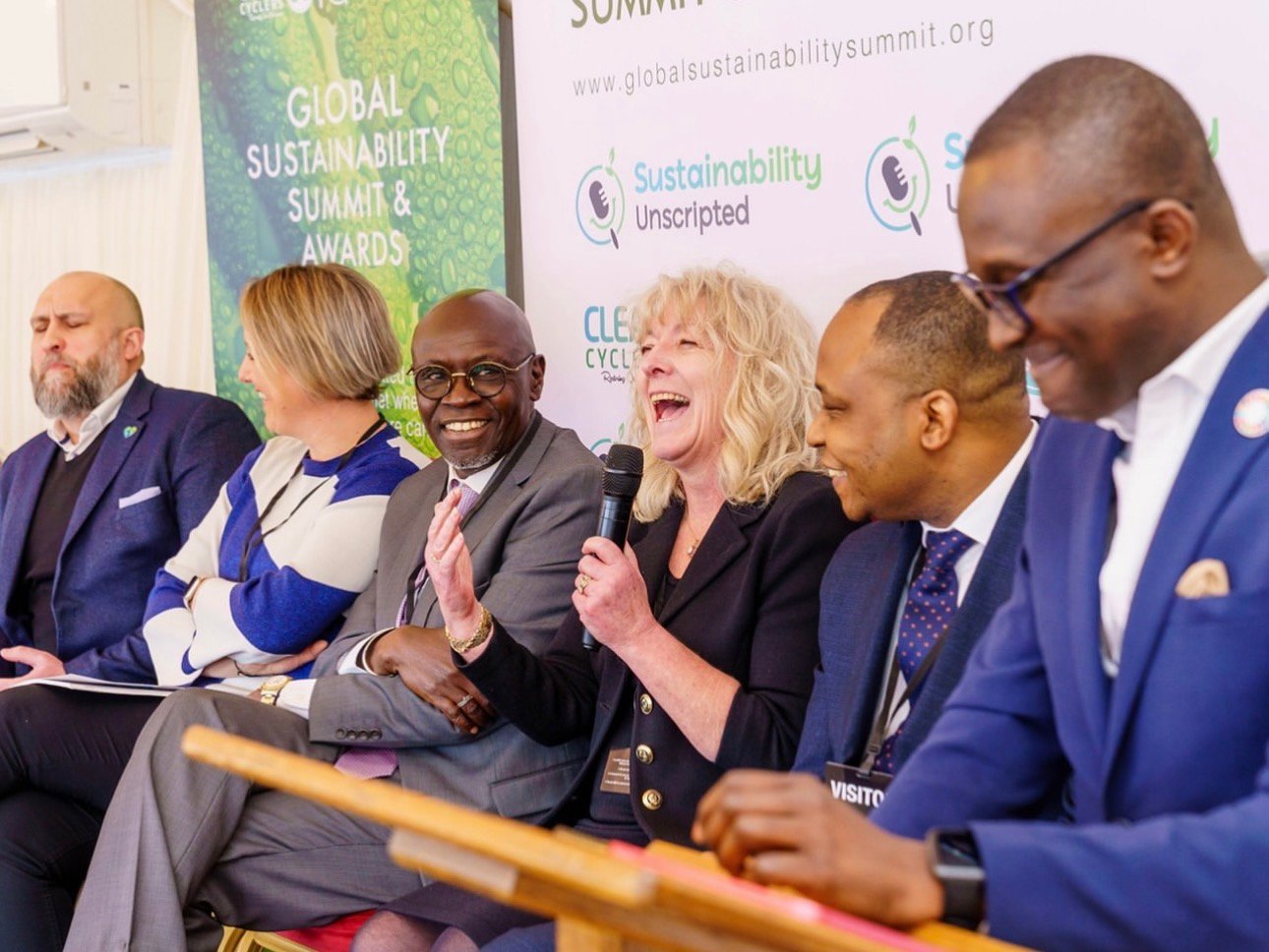
London, United Kingdom — The Global Sustainability Summit (GSS) is officially back for its landmark 5th Edition, continuing its legacy as one of the leading international platforms driving sustainable development, climate action, ethical investment, innovation, and global collaboration.
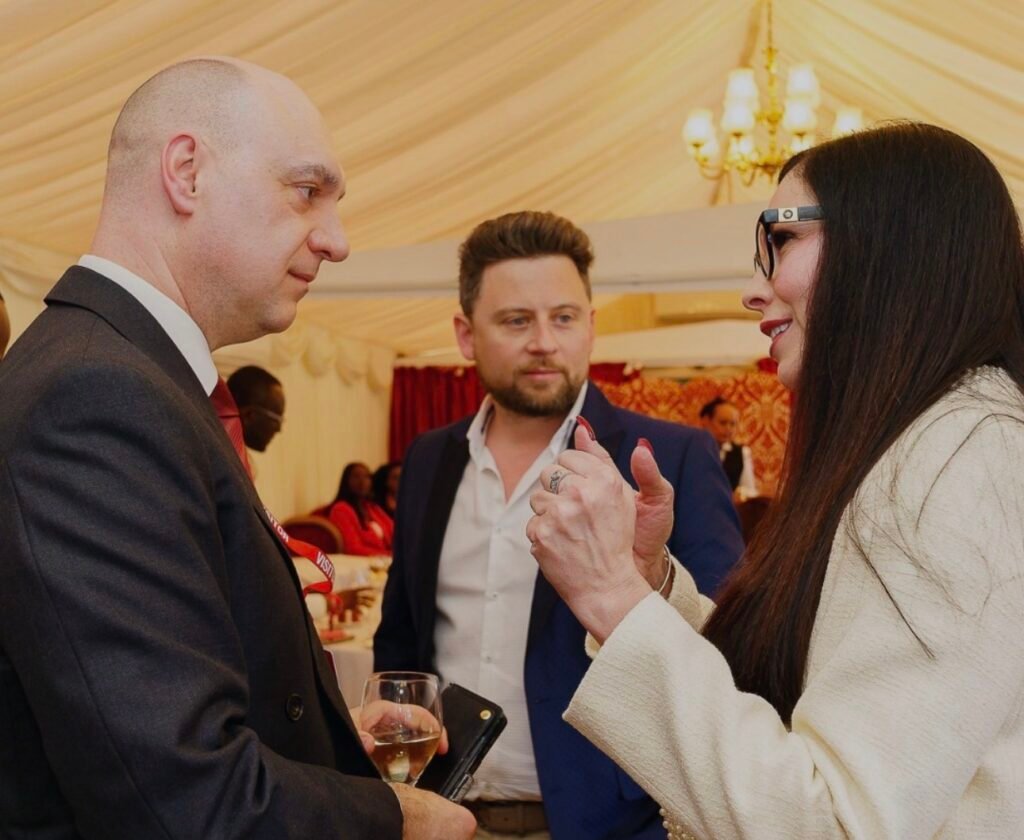
Convened annually at the prestigious British Parliament, House of Lords, Palace of Westminster, by Ambassador Canon Chinenem Otto, the Summit has, over the last four years, successfully fostered international dialogue and partnerships that have contributed to the advancement of global sustainability goals, the establishment of sustainability-focused ministries, departments and policy structures across national and subnational governments, and the attraction of major investors into sustainable development projects, corporations and emerging economies.
This year’s summit, themed “People, Planet, and Profit in the Age of AI and Innovation,” will explore how emerging technologies, responsible leadership, sustainable finance, innovation, and global partnerships can shape a more inclusive, resilient and environmentally conscious future.
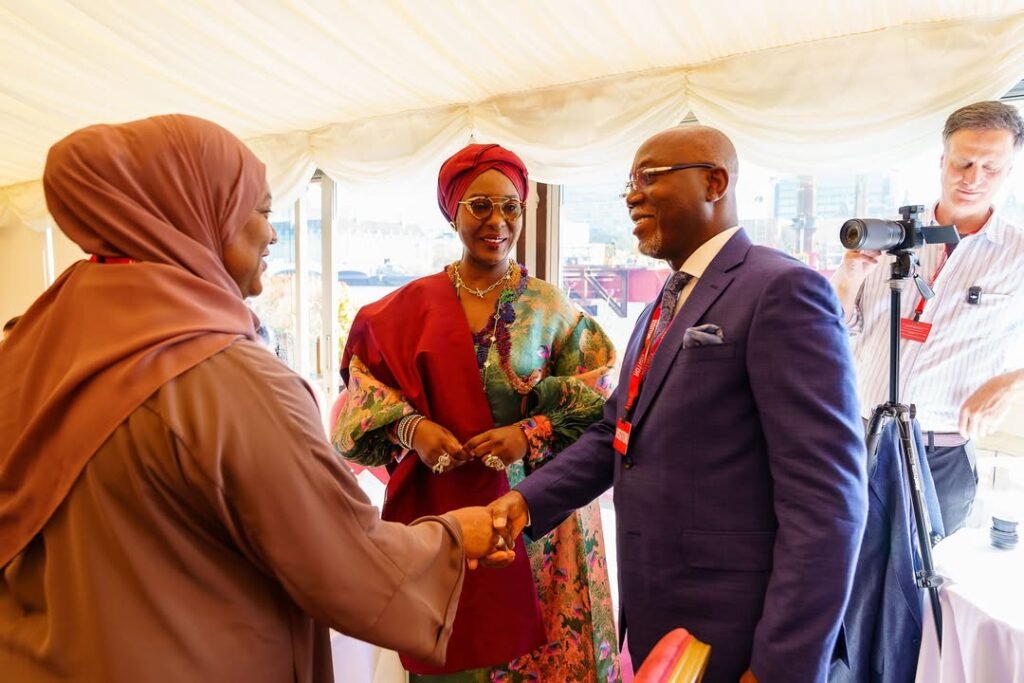
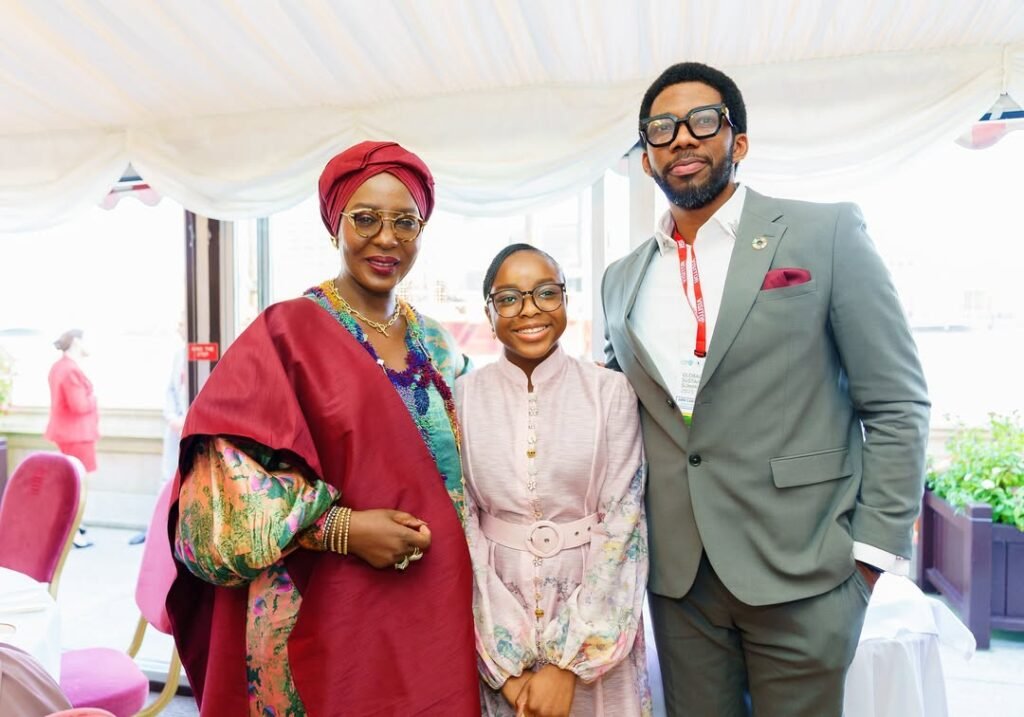
The 5th Edition promises to be the most impactful yet, bringing together world leaders, policymakers, diplomats, investors, academics, innovators, climate experts and youth leaders from across the globe to discuss actionable solutions toward achieving a sustainable and equitable future.
Among the distinguished speakers, delegates and honorees already lined up for the Summit are:
• His Excellency Mallam AbdulRahman AbdulRazaq — Executive Governor of Kwara State, Nigeria and Chairman of the Nigeria Governors’ Forum
• His Excellency Senator Prince Bassey Otu — Executive Governor of Cross River State, Nigeria
• Ambassador Patricia Espinosa Cantellano — Former Executive Secretary of UN Climate Change (UNFCCC) and Former Foreign Minister of Mexico
• Lord Marvin Rees, Baron Rees of Easton OBE — Member of the House of Lords, United Kingdom
• Hon. Neema K. Lugangira — Secretary-General of Women Political Leaders (WPL), Brussels and Former Member of Parliament
• Her Excellency Dr. Netumbo Nandi-Ndaitwah — President of the Republic of Namibia
• His Excellency Nangolo Mbumba — Former President of Namibia
• Former President of Tanzania
• Her Excellency Ambassador Professor Olufolake AbdulRazaq — First Lady of Kwara State, Nigeria and Chairperson of Nigeria Governors’ Spouses Forum
• Your Excellency Dr. Dikko Umar Radda, PhD, CON — Executive Governor of Katsina State and Chairman of the Northwest Governors Forum, Nigeria
• Hon. Sam Shafiishuna Nujoma — Governor of Khomas Region, Namibia
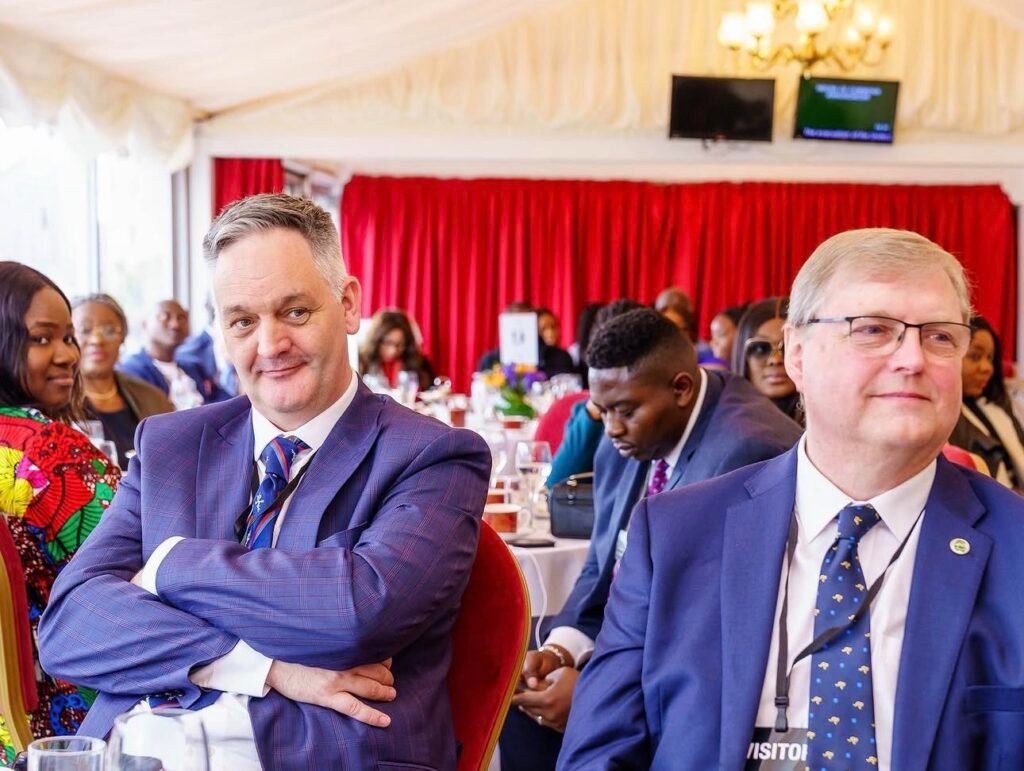
• H.E. Mr. Veiccoh Nghiwete — High Commissioner of the Republic of Namibia to the United Kingdom
• Her Excellency Ms. Macenje “Che Che” Mazoka — High Commissioner of Zambia to the United Kingdom
• Ms. Danielle Newman — Partner Lead, ICT, World Economic Forum
• Leanne Elliott Young — Co-founder, Institute of Digital Fashion & CommuneEast
• Ms. Chloe Russell — Producer & Presenter, Art, Science and Nature
• Professor Marie-Claire Cordonier Segger — University of Cambridge & University of Waterloo
• Dr. Alexandra R. Harrington — IUCN World Commission on Environmental Law (WCEL)
• Professor Payam Akhavan — Massey College, University of Toronto
• Mr. Mallai C. E. Sathya — President, Dravida Vetri Kazhagam and International Movement for Tamil Culture Asia
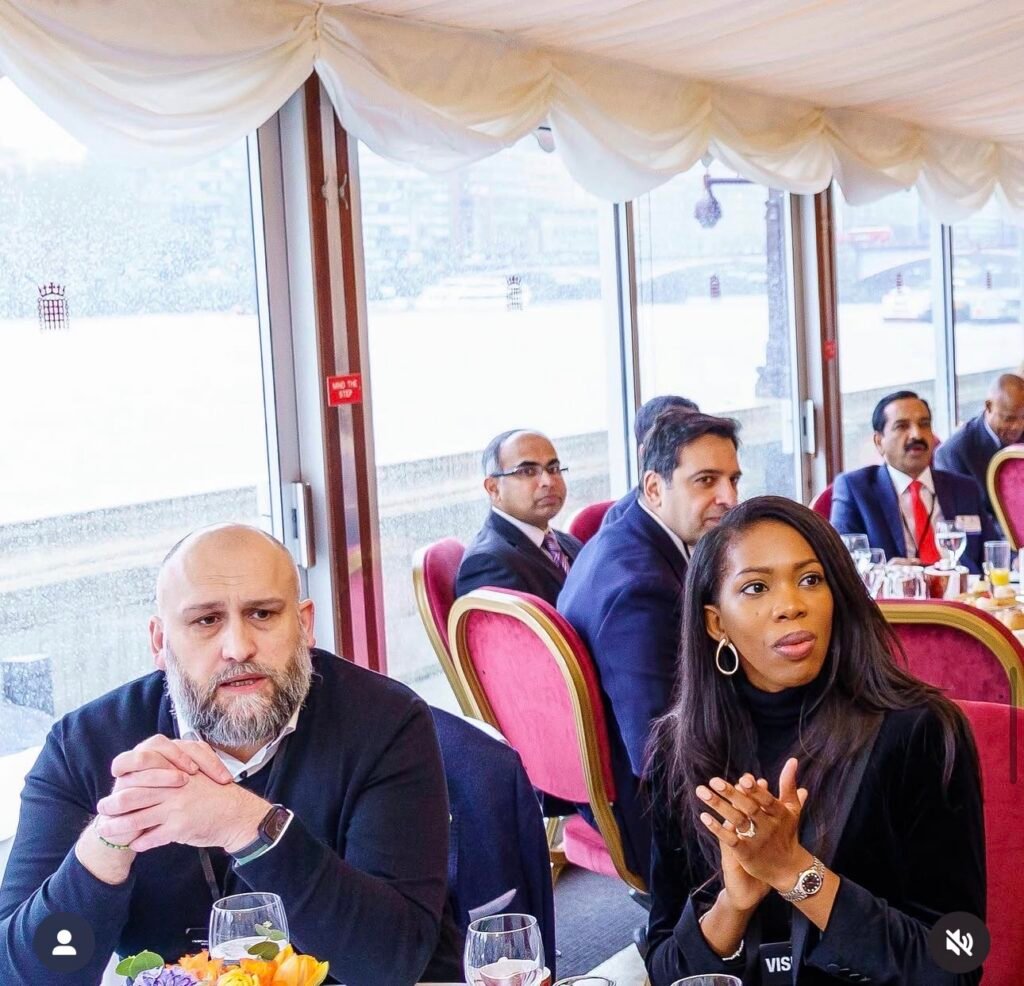
The Summit will feature high-level panel discussions, strategic investment conversations, sustainability awards, policy dialogues, innovation showcases, youth engagement sessions and international networking opportunities focused on climate resilience, ethical financing, food-water-energy sustainability, circular economy, artificial intelligence, diplomacy and sustainable development.
Speaking ahead of the Summit, Convener Ambassador Canon Chinenem Otto noted:
“As the world rapidly evolves through artificial intelligence and technological innovation, we must ensure that sustainability remains people-centered, environmentally responsible and economically inclusive. The Global Sustainability Summit continues to serve as a bridge connecting governments, institutions, innovators and investors to accelerate practical sustainability solutions globally. Our fifth edition is not only a celebration of progress made over the years, but also a renewed call for global collaboration and actionable impact toward achieving the Sustainable Development Goals and Net Zero ambitions.”
The Global Sustainability Summit continues to position itself as a catalyst for transformative partnerships and sustainable global progress, reinforcing the urgent need for collective action toward a more resilient and sustainable future.
More announcements regarding additional speakers, partners and summit activities will be unveiled in the coming weeks.

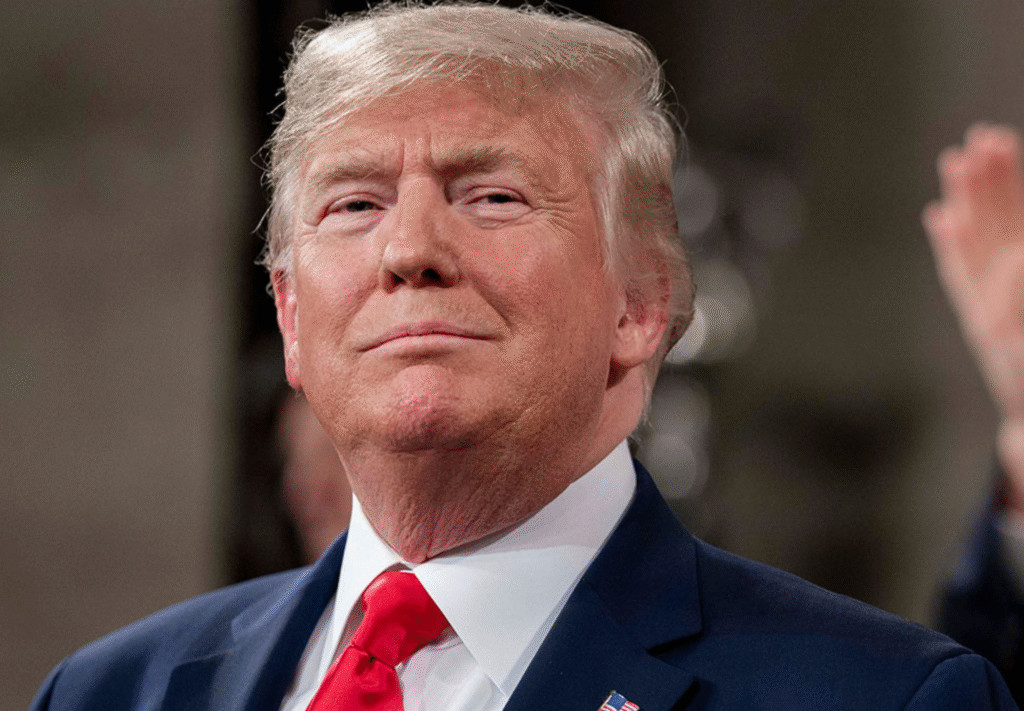
President Donald Trump says the United States might one day get rid of federal income tax because of money the government collects from tariffs on imported goods. Tariffs are extra taxes the U.S. puts on products that come from other countries.

What Trump Is Saying
Trump has said that tariff money could become so large that it might allow the government to cut income taxes “almost completely.” He has also talked about possibly phasing out income tax over the next few years if tariff money keeps going up.
How Taxes Work Now
Right now, the federal government gets much more money from income taxes than from tariffs. Income taxes bring in trillions of dollars each year, while tariffs bring in only a small part of that total. Because of this gap, experts say tariffs would need to grow by many times to replace income tax money.
Questions From Experts
Many economists and tax experts doubt that tariffs alone could pay for the whole federal budget. They warn that very high tariffs could make many imported goods more expensive for shoppers in the United States. This could hit lower- and middle‑income families hardest, because they spend a big share of their money on everyday items.
What Congress Must Do
The president can change some tariffs, but only Congress can change or end the federal income tax. That means any real plan to remove income tax would need new laws passed by both the House of Representatives and the Senate. So far, there is no detailed law or full budget plan on this idea.
What It Means Right Now
For now, Trump’s comments are a proposal, not a change in the law. People and businesses still have to pay federal income tax under the current rules. The debate over using tariffs instead of income taxes is likely to continue among lawmakers, experts, and voters.
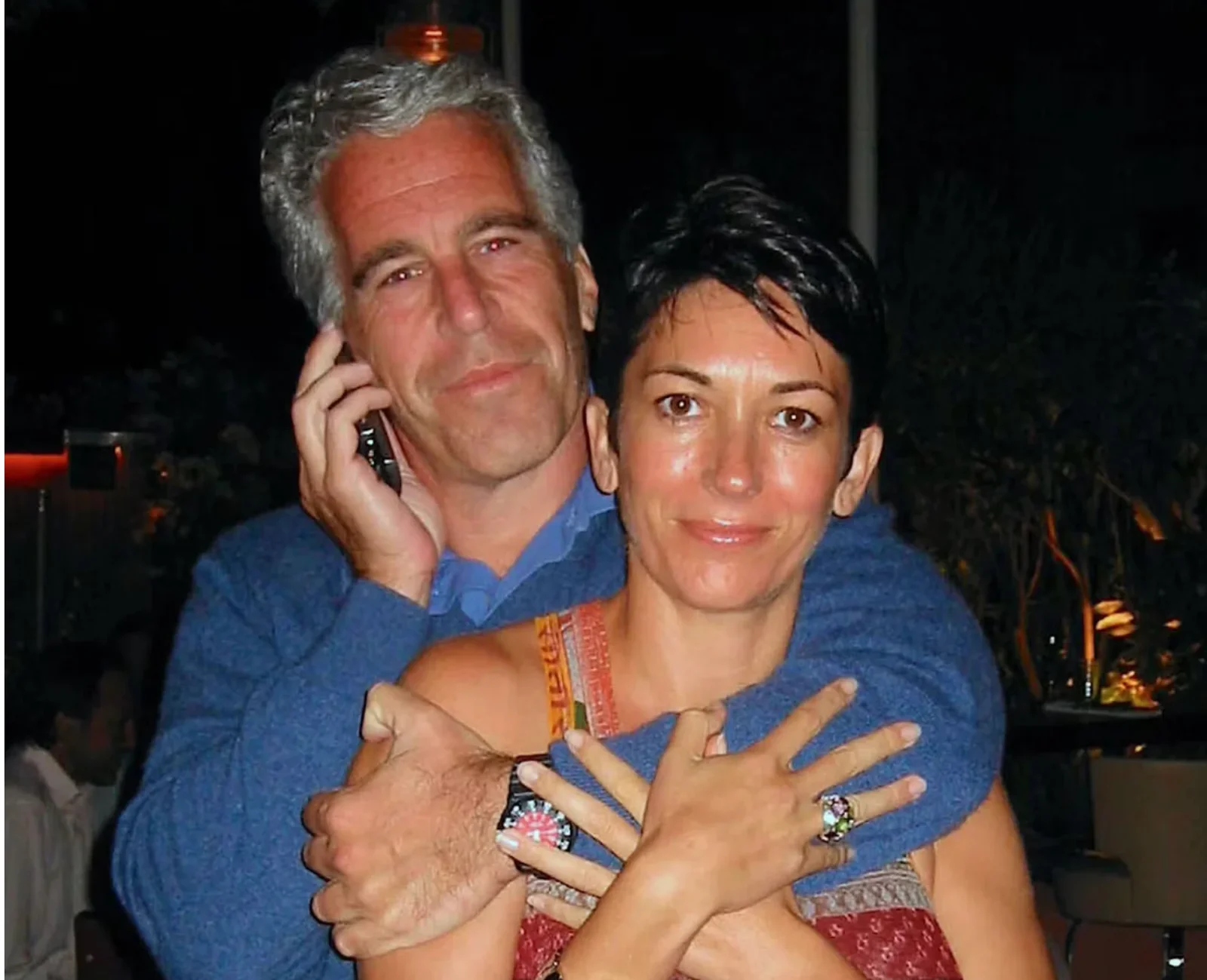
Former President Donald Trump has signed an executive order directing federal agencies to declassify all government files related to Jeffrey Epstein, the disgraced financier whose death in 2019 continues to fuel controversy and speculation.
The order, signed Wednesday at Trump’s Mar-a-Lago estate, instructs the FBI, Department of Justice, and intelligence agencies to release documents detailing Epstein’s network, finances, and alleged connections to high-profile figures. Trump described the move as “a step toward transparency and public trust,” promising that no names would be shielded from scrutiny.
“This information belongs to the American people,” Trump said in a televised statement. “For too long, powerful interests have tried to bury the truth. That ends now.”
U.S. intelligence officials confirmed that preparations for the release are already underway. According to sources familiar with the process, the first batch of documents is expected to be made public within the next 30 days, with additional releases scheduled over several months.

Reactions poured in across the political spectrum. Supporters praised the decision as a bold act of accountability, while critics alleged it was politically motivated, timed to draw attention during a volatile election season. Civil rights advocates, meanwhile, emphasized caution, warning that some records could expose private victims or ongoing legal matters.
The Epstein case, which implicated figures in politics, business, and entertainment, remains one of the most talked-about scandals of the past decade. Epstein’s connections to influential individuals—including politicians, royals, and executives—have long sparked speculation about the extent of his operations and who may have been involved.
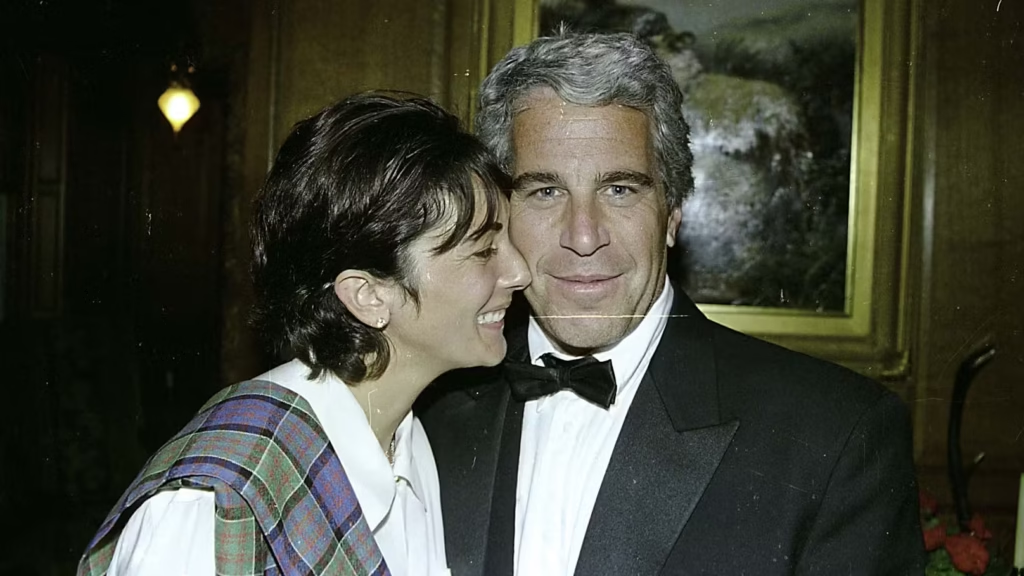
Former federal prosecutor Lauren Fields said the release could mark a turning point in public discourse surrounding government transparency. “Regardless of political stance, this declassification has the potential to reshape how Americans view power and accountability,” Fields noted.
Officials say redactions may still occur to protect sensitive intelligence or personal information, but the intent is a near-complete disclosure. For years, critics of the government’s handling of Epstein’s case have accused agencies of concealing evidence or shielding elites from exposure. Trump’s order promises to change that narrative.
As anticipation builds, journalists, legal analysts, and online commentators are preparing for what could be one of the most consequential information releases in recent history.

Why Some Songs End Up in Movies—While Others Never Do

They Told Him a Black Man Can’t Learn. He Sued Them and Won.


