


World News
When you gaze into the AI, the AI also gazes into you on August 11, 2023 at 7:00 pm


Welcome to Startups Weekly. Sign up here to get it in your inbox every Friday.
Fri-yay indeed. We sigh, as humans spool up to take a break, while the semi-sentient machines continue writing their poetry in their air-conditioned underground data-center homes. In my column this week, I spent a bit of time thinking about the times that robots have had an impact on my life. That time I ran a chatbot company talking with people about death. That time I felt a connection with a game character. And that time I tried to imagine what it would be like to be a sentient AI knowing it was about to get shut off.
It’s a series of thought experiments I’ve been playing with for a long time, and the idea was reawakened by reading Becky Chambers’ excellent Wayfarers series. The second installment goes into great depth about what happens when an AI is rebooted — will she come back with all her memories intact? Or does something change when you go back to your default software? Well worth a read, if you want to be a philoso-fish, swimming in the philoso-sea.
Anyway, on with the news!
So, about those room-temperature superconductors
Image Credits: Getty Images / ktsimage
Over the past couple of weeks, the internet went positively bonkers over the possibility of superconductors operating without being chilled to near absolute zero, after a team of researchers in South Korea claimed they had something cooked up in the lab that worked. The problem, in part, was that they claimed to have used a material (lead apatite) that not only isn’t a known superconductor, but also isn’t, in fact, conductive at all. YHBT, YHL, HAND, as they used to say in the early days of the internet.
Still, for the briefest of glimpses, on TC+, Tim explored the potential of such a development and the vast-ranging impacts it would have on, well, everything we know about electricity, electronics, and much more. Of course, it seems it may not have been true, and reminded us of the iffy claims made by another company back in March, also involving the elusive room-temp superconductivity.
Alas, ’twas not to be this time either, but the hunt continues.
Less confusion, more fusion: Tim is basically single-handedly carrying this entire section this week — well done, squire — reporting how scientists repeat a breakthrough fusion experiment, netting more power than before, bringing us one baby step closer to usable fusion power.
If you love yourself some sustainability, get your behind (and the rest of you, please. If you turn up at the doors, just a pair of levitating buttocks, we have achieved some sort of superconduction, but you’ll have made an ass of yourself, and security will probably turn you away) to TechCrunch Disrupt, where we have a whole Sustainability Stage planned!
Crypto is . . . maturing? Maybe?
Image Credits: Getty Images / Souda
As Bitcoin is back nudging $30,000, web3 is maturing and people are finally able to have some conversations about blockchains without talking about the abjectly stupid pyramid schemes that collectable digital primates represented (I sniggered all the way through “The Beanie Bubble” and then laughed out loud when the final punchline hit). It made me come up for air for a moment and look at what’s happening out in crypto land.
Investment into the sector certainly isn’t much to shout about right now, with venture funding declining for seventh straight quarter (TC+). A charitable read would be that the bubble is gone and that investors are now only making clearheaded investments into the companies that make sense. Or maybe the “invest while it’s hot” crew have just pivoted their attention to AI, and the hard core believers are left standing.
My unveiled cynicism and abject lack of faith in the sector aside, there’s some interesting movement in the space:
AI, meet web3. Web3, AI: Always worth paying attention when Goliath shifts on his throne, and Jacquelyn’s report that Microsoft partners with the Aptos blockchain (TC+) to marry AI and web3 got a huge amount of attention — and traffic — on TechCrunch this week.
Contractually smarter: About nine months after raising its Series A, SettleMint’s launches its AI assistant, which aims to help web3 developers write better smart contracts.
Followin’ the money: Tracking who invests in what and when is an ever-green effort. Our estranged sibling site Crunchbase does it for VC and startups, and EdgeIn jumps in to be a faster, community-driven version of the same, especially focused on web3.
Oh, governments. They do try ever so hard.
Image Credits: Sirinarth Mekvorawuth / EyeEm / Getty Images
Watching legal systems trying to wrap their heads around even pretty basic technology continues to be cringe-musing, and there was a lot of that sort of thing going on this week.
The Chinese government is in uproar after Biden bans U.S. funding flowing into semiconductors and microelectronics, quantum computing, and artificial intelligence.
In India, the government decided that it would restrict laptops, tablets, and other personal computers to boost local manufacturers but was met with the appropriate mix of uproar and ridicule, and quickly announced it would delay that particular harebrained idea from taking hold. Also in India, the IT minister resurrected a previously abandoned data privacy bill and is pushing ahead with it, despite criticism.
The EU wasn’t going to be outdone, though, and stuck its oar in as well. TikTok is launching a “For You” feed aimed at the European market but without its algorithm. Worldcoin’s official launch triggers privacy scrutiny, and it turns out the European Commission (EC) isn’t too psyched about Adobe’s $20 billion Figma acquisition, either, confirming an in-depth probe into the deal. Finally, Meta says it will offer European users a choice to deny tracking.
More? Fine.
There’s a lesson there: Dominic-Madori takes a dive into the U.K. venture landscape and argues that the U.S. could learn a lot from how the U.K. is crafting DEI (diversity, equity, and inclusion) policy for the industry.
Just can’t face it: The pervasive use of facial recognition technology across all facets of life in China has elicited both praise for its convenience and backlash around privacy concerns. Rita reports that China is considering measures that demand “individual consent” for facial recognition use.
Eye see you: A Kenyan government agency suspended Worldcoin’s activities, citing concerns with “authenticity and legality.” It plans to resume iris scans in Kenya, but the debate continues about whether the crypto-powered identification scheme is using the data it is collecting in accordance with local law.
Top reads on TechCrunch this week
Across the site, here are some of the startup stories y’all flocked to since the previous Startups Weekly.
Karma, karma, karma, karma, komeuppance: Apparently not entirely immune to irony, spyware maker LetMeSpy shuts down after hacker deletes server data.
That won’t have been cheap: The value domain AI.com, which until recently was pointing to ChatGPT, suddenly started sending traffic to Elon Musk’s X.ai this week. Ultimately, no one actually cares who owns AI.com, but speculation in the land of domain selling and buying ran rife as to how much money might have changed hands in the process.
You want how much for a ride to the airport?: Lyft wants to kill surge pricing, because “riders hate it with a fiery passion.” Yes, yes, we do.
We slipped into something more comfortable: Verizon dropped hundreds of millions on BlueJeans at the height of the pandemic lockdown, but three and a bit years later, the platform gives up the fight, announcing it is killing the app off altogether, citing “changing market demands.”
Get your TechCrunch fix IRL. Join us at Disrupt 2023 in San Francisco this September to immerse yourself in all things startup. From headline interviews to intimate roundtables to a jam-packed startup expo floor, there’s something for everyone at Disrupt. Save up to $600 when you buy your pass now through August 11, and save 15% on top of that with promo code STARTUPS. Learn more.
Welcome to Startups Weekly. Sign up here to get it in your inbox every Friday. Fri-yay indeed. We sigh, as humans spool up to take a break, while the semi-sentient machines continue writing their poetry in their air-conditioned underground data-center homes. In my column this week, I spent a bit of time thinking about the


Business
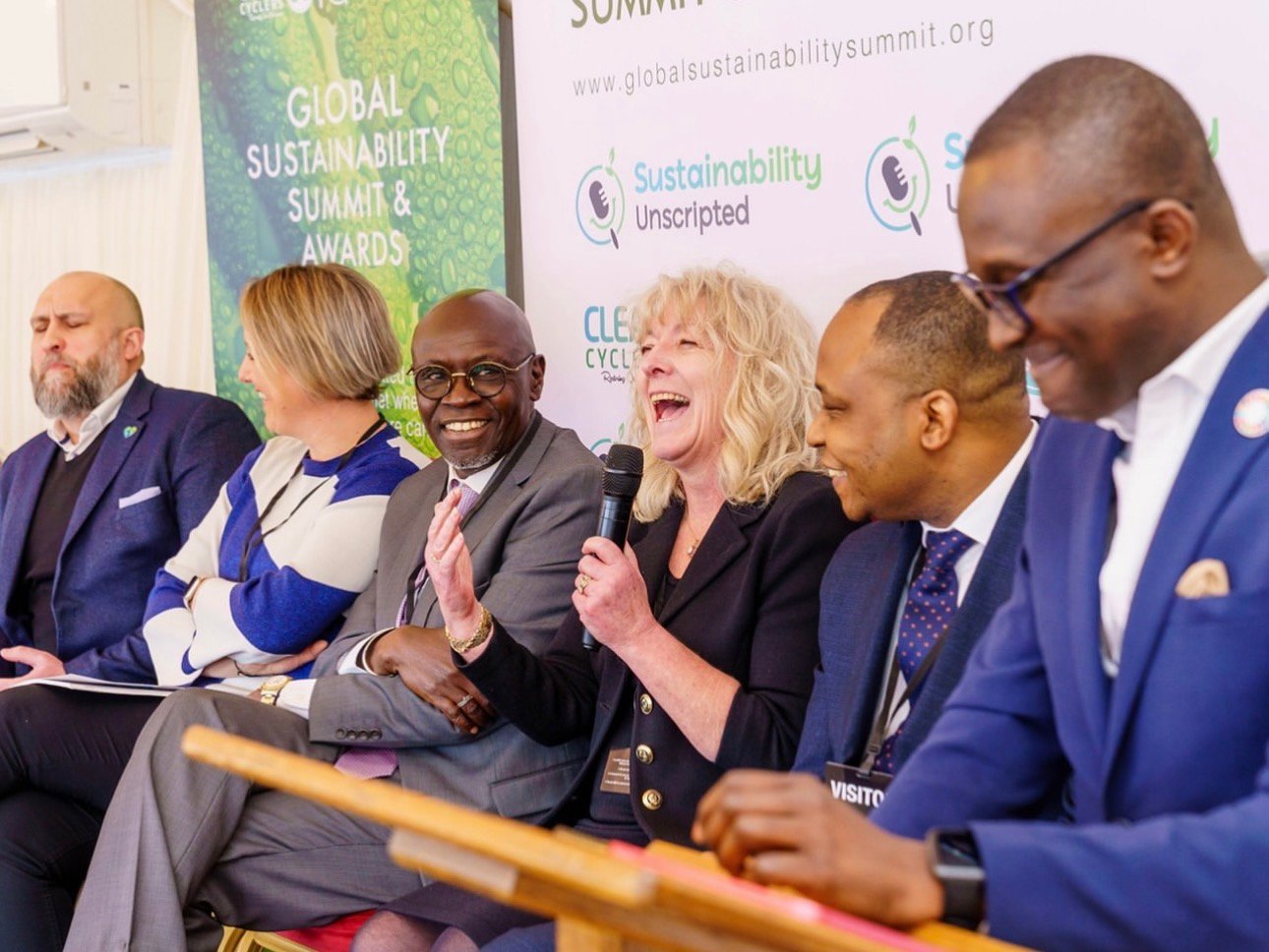
GLOBAL SUSTAINABILITY SUMMIT RETURNS FOR ITS 5TH EDITION AT THE BRITISH PARLIAMENT – HOUSE OF LORDS, PALACE OF WESTMINSTER

FOR IMMEDIATE RELEASE
Theme: “People, Planet, and Profit in the Age of AI and Innovation”
London, United Kingdom — The Global Sustainability Summit (GSS) is officially back for its landmark 5th Edition, continuing its legacy as one of the leading international platforms driving sustainable development, climate action, ethical investment, innovation, and global collaboration.

Convened annually at the prestigious British Parliament, House of Lords, Palace of Westminster, by Ambassador Canon Chinenem Otto, the Summit has, over the last four years, successfully fostered international dialogue and partnerships that have contributed to the advancement of global sustainability goals, the establishment of sustainability-focused ministries, departments and policy structures across national and subnational governments, and the attraction of major investors into sustainable development projects, corporations and emerging economies.
This year’s summit, themed “People, Planet, and Profit in the Age of AI and Innovation,” will explore how emerging technologies, responsible leadership, sustainable finance, innovation, and global partnerships can shape a more inclusive, resilient and environmentally conscious future.
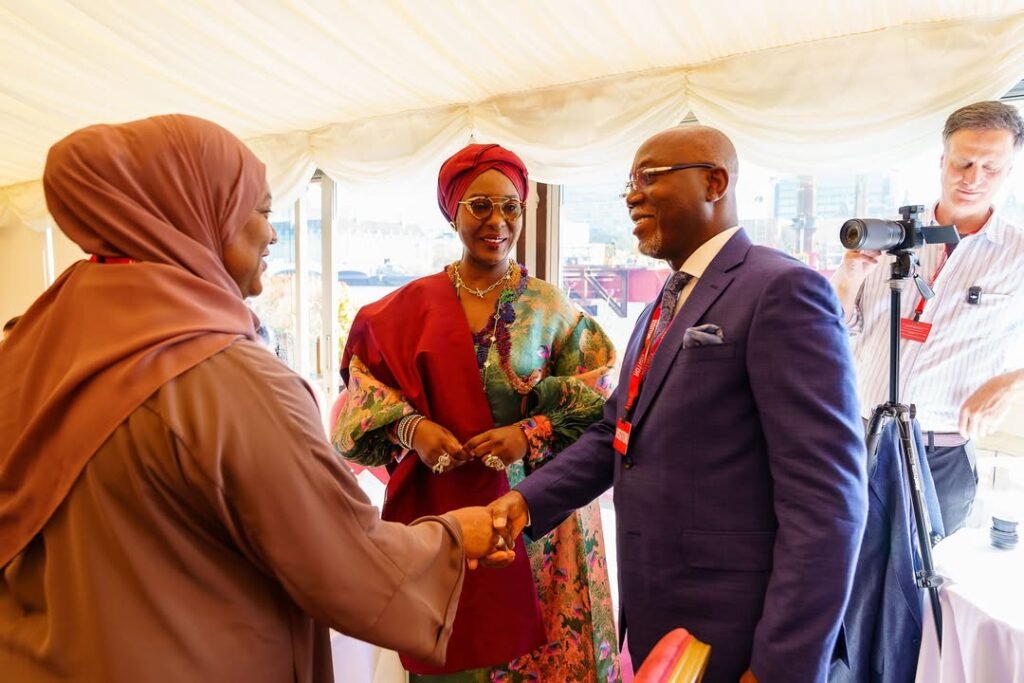
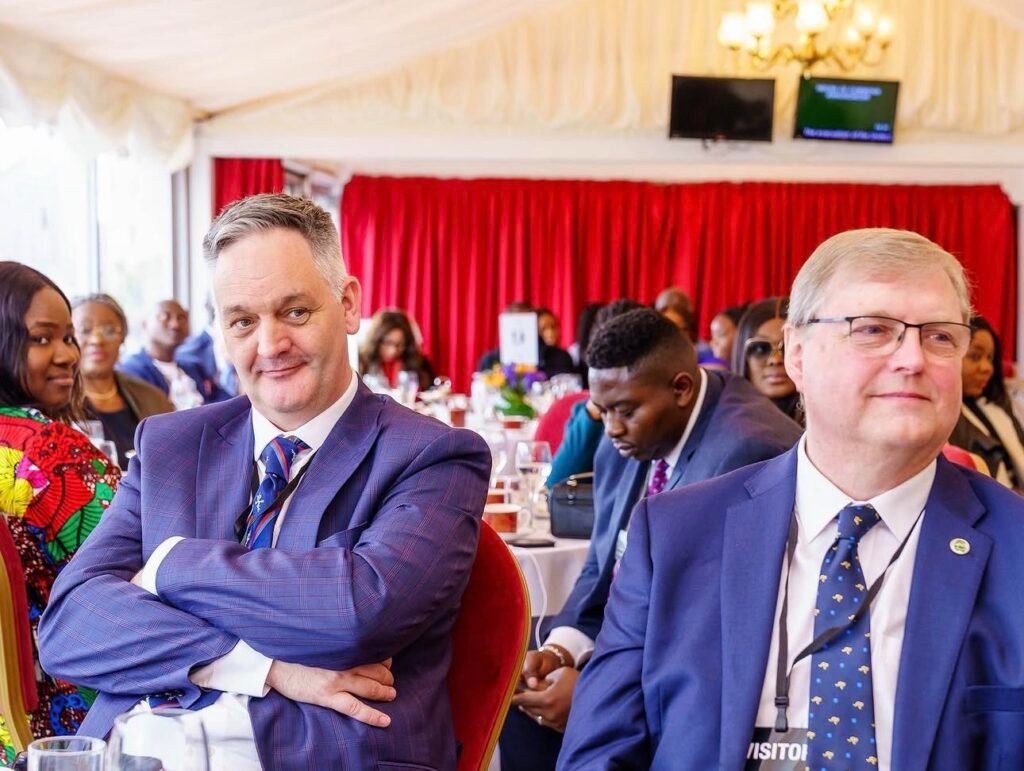
The 5th Edition promises to be the most impactful yet, bringing together world leaders, policymakers, diplomats, investors, academics, innovators, climate experts and youth leaders from across the globe to discuss actionable solutions toward achieving a sustainable and equitable future.
Among the distinguished speakers, delegates and honorees already lined up for the Summit are:
• His Excellency Mallam AbdulRahman AbdulRazaq — Executive Governor of Kwara State, Nigeria and Chairman of the Nigeria Governors’ Forum
• His Excellency Senator Prince Bassey Otu — Executive Governor of Cross River State, Nigeria
• Ambassador Patricia Espinosa Cantellano — Former Executive Secretary of UN Climate Change (UNFCCC) and Former Foreign Minister of Mexico

• Lord Marvin Rees, Baron Rees of Easton OBE — Member of the House of Lords, United Kingdom
• Hon. Neema K. Lugangira — Secretary-General of Women Political Leaders (WPL), Brussels and Former Member of Parliament
• Her Excellency Dr. Netumbo Nandi-Ndaitwah — President of the Republic of Namibia
• His Excellency Nangolo Mbumba — Former President of Namibia
• Former President of Tanzania
• Her Excellency Ambassador Professor Olufolake AbdulRazaq — First Lady of Kwara State, Nigeria and Chairperson of Nigeria Governors’ Spouses Forum
• Your Excellency Dr. Dikko Umar Radda, PhD, CON — Executive Governor of Katsina State and Chairman of the Northwest Governors Forum, Nigeria
• Hon. Sam Shafiishuna Nujoma — Governor of Khomas Region, Namibia
• H.E. Mr. Veiccoh Nghiwete — High Commissioner of the Republic of Namibia to the United Kingdom
• Her Excellency Ms. Macenje “Che Che” Mazoka — High Commissioner of Zambia to the United Kingdom
• Ms. Danielle Newman — Partner Lead, ICT, World Economic Forum
• Leanne Elliott Young — Co-founder, Institute of Digital Fashion & CommuneEast
• Ms. Chloe Russell — Producer & Presenter, Art, Science and Nature
• Professor Marie-Claire Cordonier Segger — University of Cambridge & University of Waterloo
• Dr. Alexandra R. Harrington — IUCN World Commission on Environmental Law (WCEL)
• Professor Payam Akhavan — Massey College, University of Toronto
• Mr. Mallai C. E. Sathya — President, Dravida Vetri Kazhagam and International Movement for Tamil Culture Asia
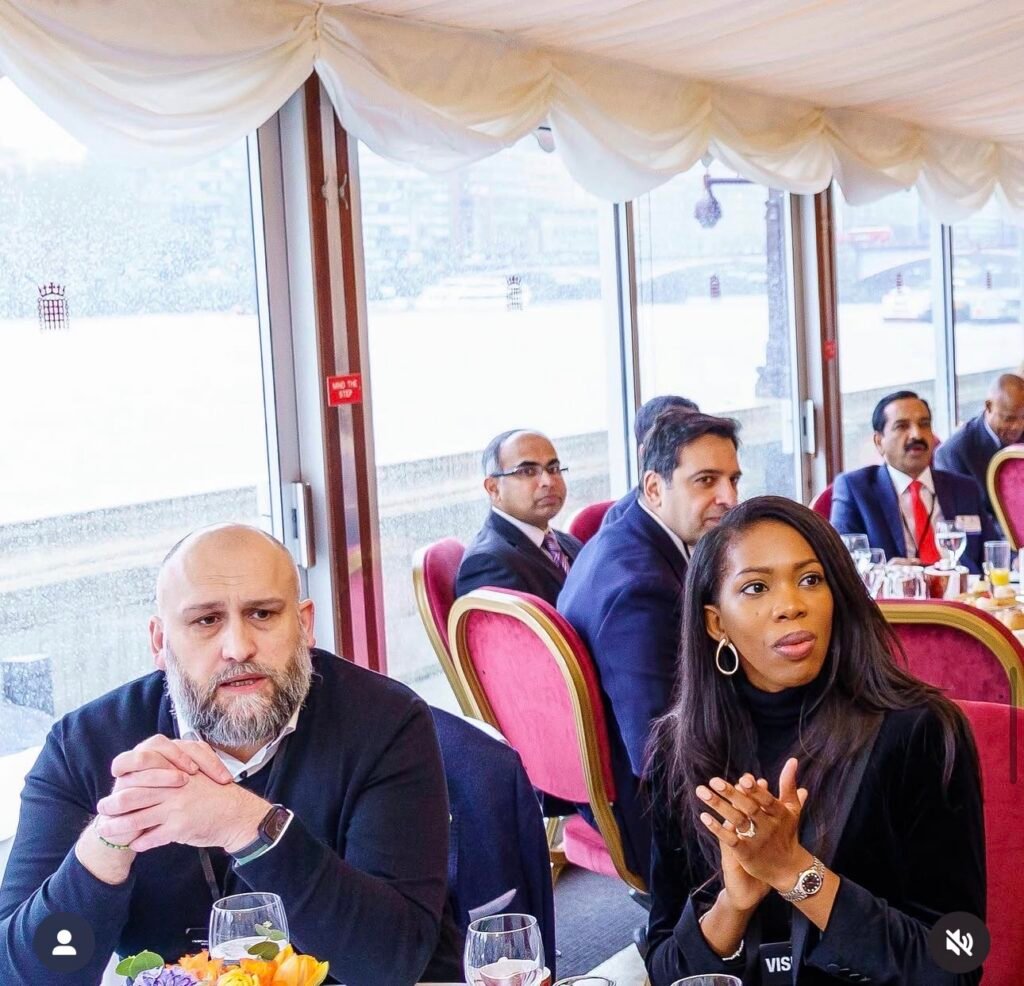
The Summit will feature high-level panel discussions, strategic investment conversations, sustainability awards, policy dialogues, innovation showcases, youth engagement sessions and international networking opportunities focused on climate resilience, ethical financing, food-water-energy sustainability, circular economy, artificial intelligence, diplomacy and sustainable development.
Speaking ahead of the Summit, Convener Ambassador Canon Chinenem Otto noted:
“As the world rapidly evolves through artificial intelligence and technological innovation, we must ensure that sustainability remains people-centered, environmentally responsible and economically inclusive. The Global Sustainability Summit continues to serve as a bridge connecting governments, institutions, innovators and investors to accelerate practical sustainability solutions globally. Our fifth edition is not only a celebration of progress made over the years, but also a renewed call for global collaboration and actionable impact toward achieving the Sustainable Development Goals and Net Zero ambitions.”
The Global Sustainability Summit continues to position itself as a catalyst for transformative partnerships and sustainable global progress, reinforcing the urgent need for collective action toward a more resilient and sustainable future.
More announcements regarding additional speakers, partners and summit activities will be unveiled in the coming weeks.

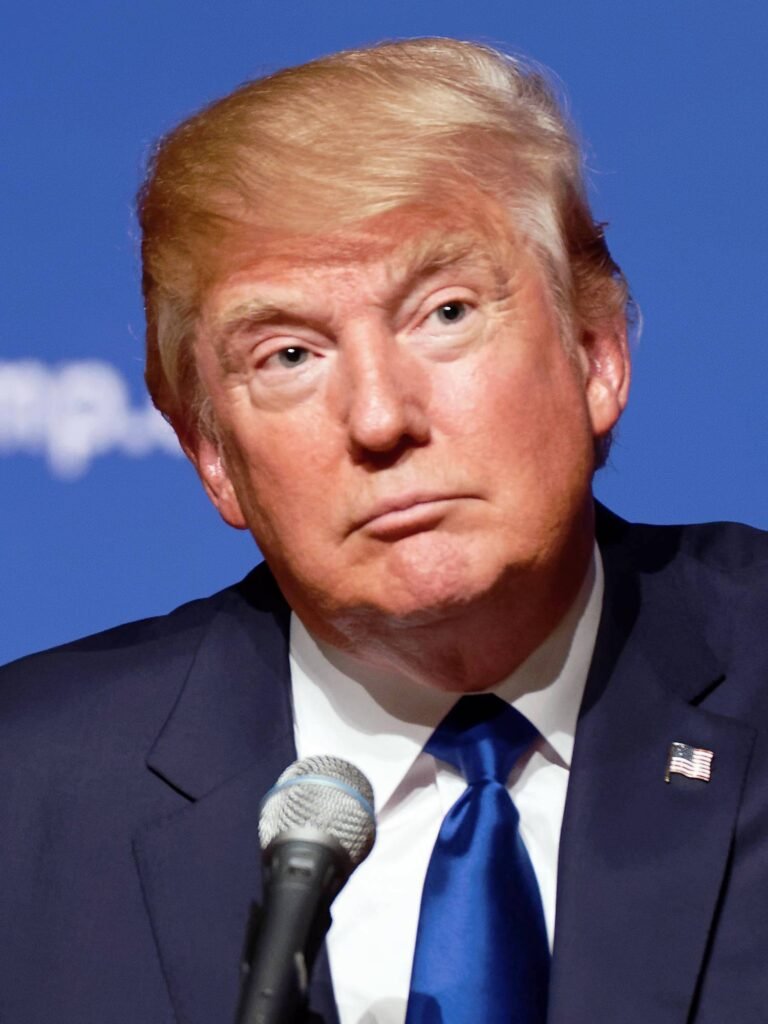
President Donald Trump says the United States might one day get rid of federal income tax because of money the government collects from tariffs on imported goods. Tariffs are extra taxes the U.S. puts on products that come from other countries.
What Trump Is Saying
Trump has said that tariff money could become so large that it might allow the government to cut income taxes “almost completely.” He has also talked about possibly phasing out income tax over the next few years if tariff money keeps going up.
How Taxes Work Now
Right now, the federal government gets much more money from income taxes than from tariffs. Income taxes bring in trillions of dollars each year, while tariffs bring in only a small part of that total. Because of this gap, experts say tariffs would need to grow by many times to replace income tax money.

Questions From Experts
Many economists and tax experts doubt that tariffs alone could pay for the whole federal budget. They warn that very high tariffs could make many imported goods more expensive for shoppers in the United States. This could hit lower- and middle‑income families hardest, because they spend a big share of their money on everyday items.
What Congress Must Do
The president can change some tariffs, but only Congress can change or end the federal income tax. That means any real plan to remove income tax would need new laws passed by both the House of Representatives and the Senate. So far, there is no detailed law or full budget plan on this idea.
What It Means Right Now
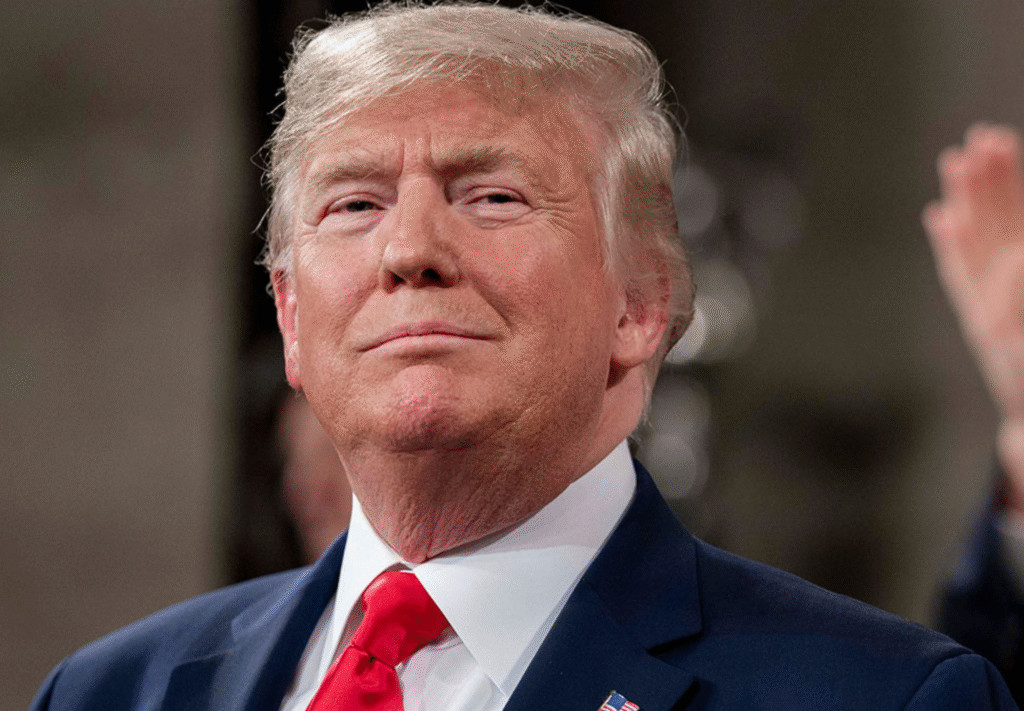
For now, Trump’s comments are a proposal, not a change in the law. People and businesses still have to pay federal income tax under the current rules. The debate over using tariffs instead of income taxes is likely to continue among lawmakers, experts, and voters.
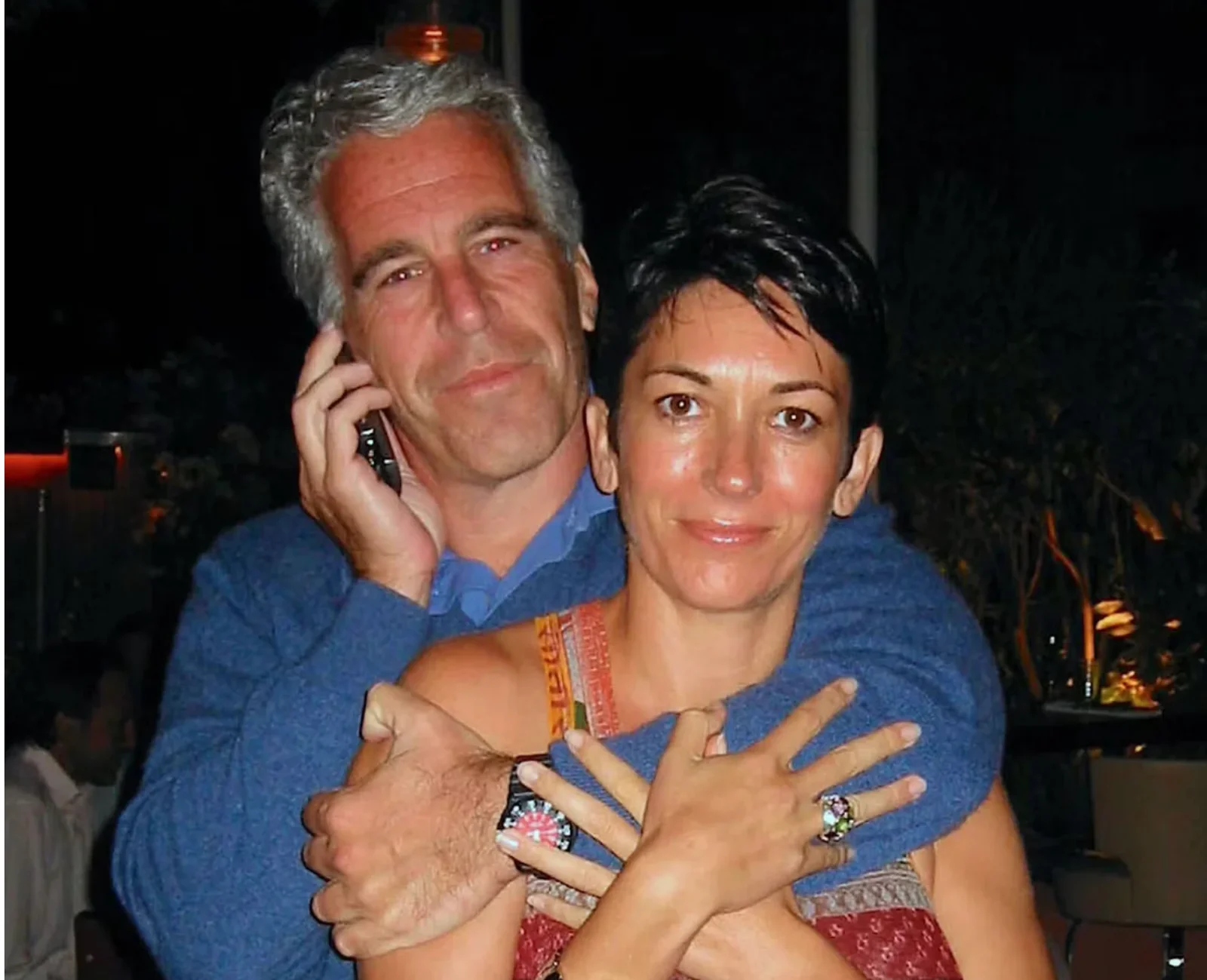
Former President Donald Trump has signed an executive order directing federal agencies to declassify all government files related to Jeffrey Epstein, the disgraced financier whose death in 2019 continues to fuel controversy and speculation.
The order, signed Wednesday at Trump’s Mar-a-Lago estate, instructs the FBI, Department of Justice, and intelligence agencies to release documents detailing Epstein’s network, finances, and alleged connections to high-profile figures. Trump described the move as “a step toward transparency and public trust,” promising that no names would be shielded from scrutiny.
“This information belongs to the American people,” Trump said in a televised statement. “For too long, powerful interests have tried to bury the truth. That ends now.”
U.S. intelligence officials confirmed that preparations for the release are already underway. According to sources familiar with the process, the first batch of documents is expected to be made public within the next 30 days, with additional releases scheduled over several months.

Reactions poured in across the political spectrum. Supporters praised the decision as a bold act of accountability, while critics alleged it was politically motivated, timed to draw attention during a volatile election season. Civil rights advocates, meanwhile, emphasized caution, warning that some records could expose private victims or ongoing legal matters.
The Epstein case, which implicated figures in politics, business, and entertainment, remains one of the most talked-about scandals of the past decade. Epstein’s connections to influential individuals—including politicians, royals, and executives—have long sparked speculation about the extent of his operations and who may have been involved.

Former federal prosecutor Lauren Fields said the release could mark a turning point in public discourse surrounding government transparency. “Regardless of political stance, this declassification has the potential to reshape how Americans view power and accountability,” Fields noted.
Officials say redactions may still occur to protect sensitive intelligence or personal information, but the intent is a near-complete disclosure. For years, critics of the government’s handling of Epstein’s case have accused agencies of concealing evidence or shielding elites from exposure. Trump’s order promises to change that narrative.
As anticipation builds, journalists, legal analysts, and online commentators are preparing for what could be one of the most consequential information releases in recent history.

Why Some Songs End Up in Movies—While Others Never Do

They Told Him a Black Man Can’t Learn. He Sued Them and Won.


