


Business
How to Effectively Negotiate Lower Rent

With rental costs skyrocketing across the nation, many tenants are struggling to keep housing expenses manageable. One strategy to combat rising rents is to negotiate directly with your landlord for a lower rate. While there are no guarantees, taking the right approach can significantly increase your chances of a successful negotiation.
Do Your Homework
Before approaching your landlord, research rental prices for comparable units in your area. Check listing sites like Zillow, Realtor.com, and Apartments.com to find the average going rates. Make sure you account for factors like square footage, number of bedrooms/bathrooms, amenities, and location to ensure you’re making an apples-to-apples comparison. Having data that shows your current rent is above market can strengthen your negotiating position.
Highlight Your Value as a Tenant
If you’ve been a reliable, long-term tenant who pays rent on time and keeps the property in good condition, be sure to emphasize this track record to your landlord. Good tenants reduce turnover costs and headaches, so landlords have incentives to keep them at a discounted rate. Provide proof of your positive payment history and the care you’ve taken with the unit.

Offer Incentives
To make your proposal more enticing, consider offering incentives that benefit the landlord. For example, you could propose extending your lease term from 1 year to 2 years in exchange for a lower monthly rate. This guarantees steady income for the landlord over a longer period. If you can afford it, offering to pre-pay several months of rent upfront in a lump sum can also motivate a landlord to accept a reduced rate.
Suggest Trade-Offs
Another negotiating tactic is to propose giving up certain amenities you don’t need in exchange for lower rent. For example, you could forfeit a parking space, storage unit, or other extras. Or, you could offer to take over maintenance tasks like yard work or cleaning common areas to offset costs for the landlord.
Use the Right Approach
When actually making the request, be polite but firm. A sample negotiation script could be:
“I’ve been a tenant here for X years, and have always paid rent on time and kept the unit in great shape. Based on my research of comparable rentals in this area, the current rate of $X seems above market, especially considering [detail any lacking amenities]. I’m hoping we could agree on a new rate of $X, which is more in line with the going prices. I’d be happy to sign an extended lease or pre-pay several months to make this arrangement work.”
Time It Right
The negotiation timing can also be important. Generally, try to initiate conversations before your lease renewal when the landlord may be more motivated to retain you as a tenant. Additionally, winter months when rental demand is lower could make landlords more amenable to negotiating.
With preparation, professionalism, and reasonable requests, many tenants can successfully negotiate lower rent and achieve housing costs that better fit their budgets. It’s a strategy worth pursuing in today’s challenging rental market.

Registration Code: BOLANLEVIP
Stay Connected












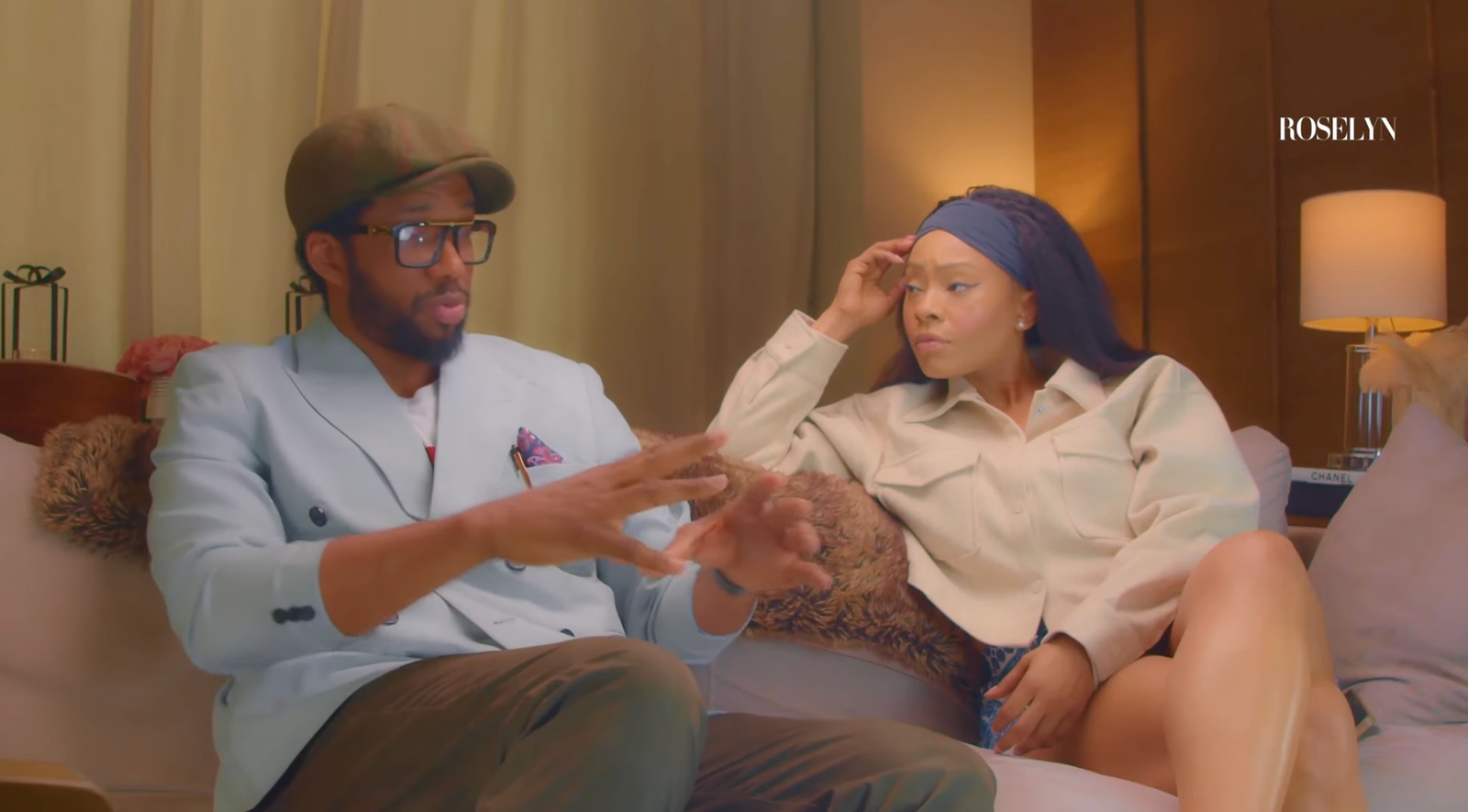
Sustainability is often spoken about as if it belongs only to scientists, policy experts, or environmental activists. On the Roselyn Omaka Show, Otto Cannon makes the case that it belongs to everyone. His message is both urgent and deeply human: sustainability is not just about the environment, but about creating a world where people, planet, and profit exist in balance.
Cannon’s mission is striking in its scale. He wants to build what he calls a global army of 10 million sustainability leaders—people across industries and communities who choose to think beyond short-term gains and take responsibility for the future they are helping shape.
My biggest mission is to raise a 10 million global army of sustainability leaders.
Otto’s understanding of this work did not begin in a conference room. It began in childhood, shaped by a father who taught him to see the world’s problems as personal assignments. That early influence instilled in him the belief that real leadership means stepping forward, identifying what is broken, and dedicating yourself to fixing it.
That mindset later became deeply personal. In one of the interview’s most emotional moments, Cannon shares how the death of his dog after swallowing a plastic bottle cap changed his life. What might have seemed like an isolated tragedy became, for him, a doorway into a much larger truth: waste is never just waste when it destroys ecosystems, harms wildlife, and threatens the future.
Instead of turning away, he turned pain into action. Through his work, he helped build a recycling company that processed over 10,000 tons of plastic and supported tree-planting efforts that have already reached more than 500,000 trees. His story reflects the broader idea of sustainability leadership, which is commonly framed as the integration of environmental, social, and economic responsibility into real-world decision-making.
What makes Cannon’s perspective especially compelling is the way he challenges common misconceptions. He argues that sustainability is too often boxed into environmental language alone, when in reality it applies to every sector—fashion, construction, energy, transportation, manufacturing, and beyond. This broader understanding aligns with current sustainability leadership thinking, which emphasizes systems, collaboration, and long-term value creation across sectors.
Profit should never come at the expense of people or the planet.
That belief is central to everything Cannon describes. For him, sustainability is not anti-business. It is about designing business, innovation, and progress in a way that does not leave harm behind for future generations. A solution that helps today but creates a deeper problem tomorrow, he argues, is not truly a solution at all.

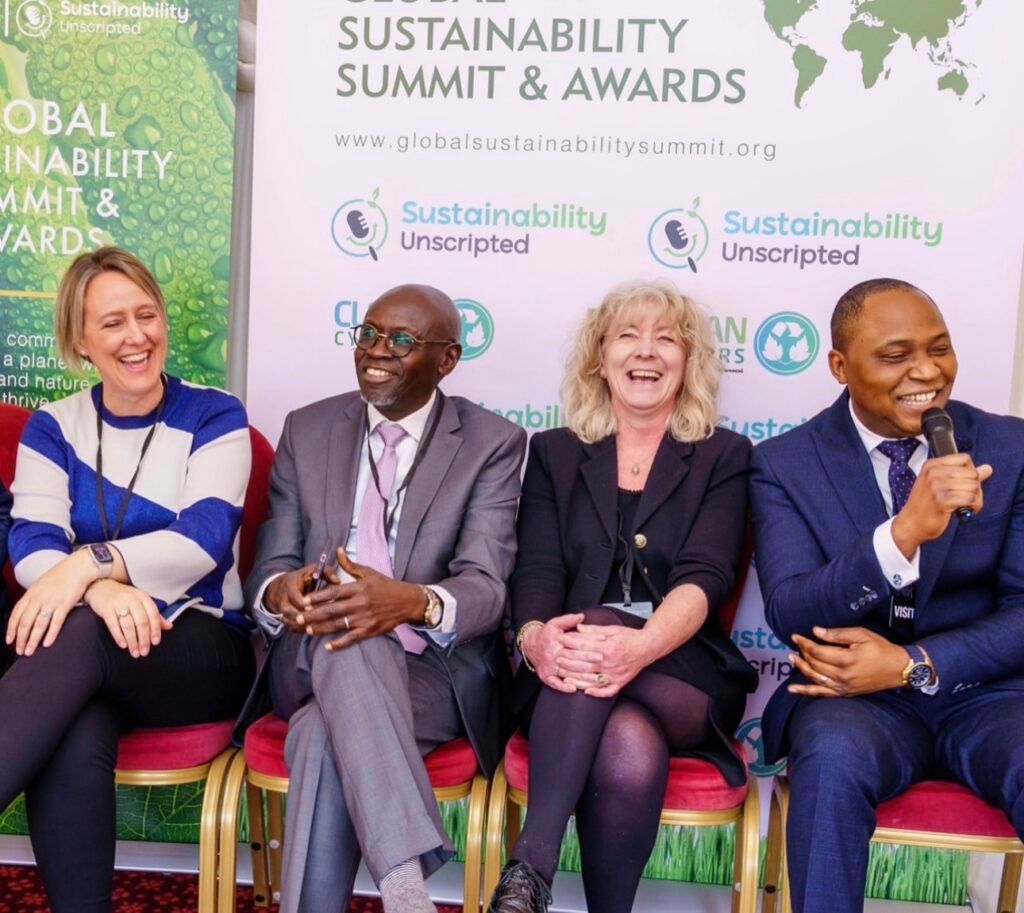
This is also the thinking behind the Global Sustainability Summit and Awards in London, where Cannon brings together leaders from government, business, and civil society to share ideas, showcase innovation, and inspire action. Cross-sector collaboration is widely recognized as a core part of effective sustainability work, especially when the goal is cultural and systemic change rather than isolated projects.
The power of Cannon’s message lies in its accessibility. He is not calling only on policymakers or executives. He is speaking to creators, founders, farmers, designers, builders, and everyday professionals—anyone who has influence over materials, waste, systems, sourcing, or the choices that shape modern life.
By the end of the conversation, one image lingers: the idea that one person is a drop of water, but many drops together can become a wave. That is the future Otto Cannon is working toward—not a movement powered by one voice, but one built by millions who decide that sustainability is not optional, but necessary.
Business
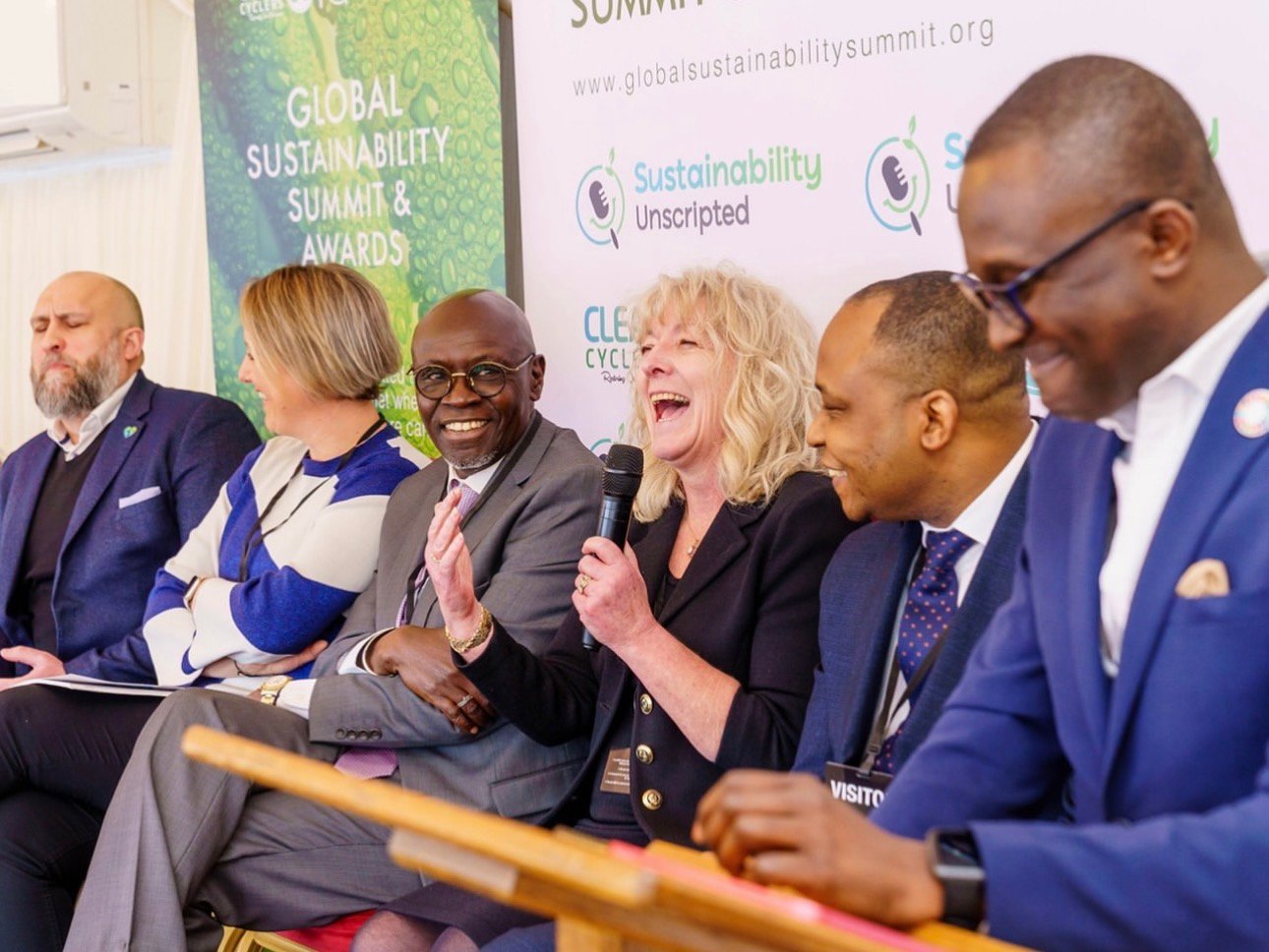
GLOBAL SUSTAINABILITY SUMMIT RETURNS FOR ITS 5TH EDITION AT THE BRITISH PARLIAMENT – HOUSE OF LORDS, PALACE OF WESTMINSTER
FOR IMMEDIATE RELEASE
Theme: “People, Planet, and Profit in the Age of AI and Innovation”
London, United Kingdom — The Global Sustainability Summit (GSS) is officially back for its landmark 5th Edition, continuing its legacy as one of the leading international platforms driving sustainable development, climate action, ethical investment, innovation, and global collaboration.
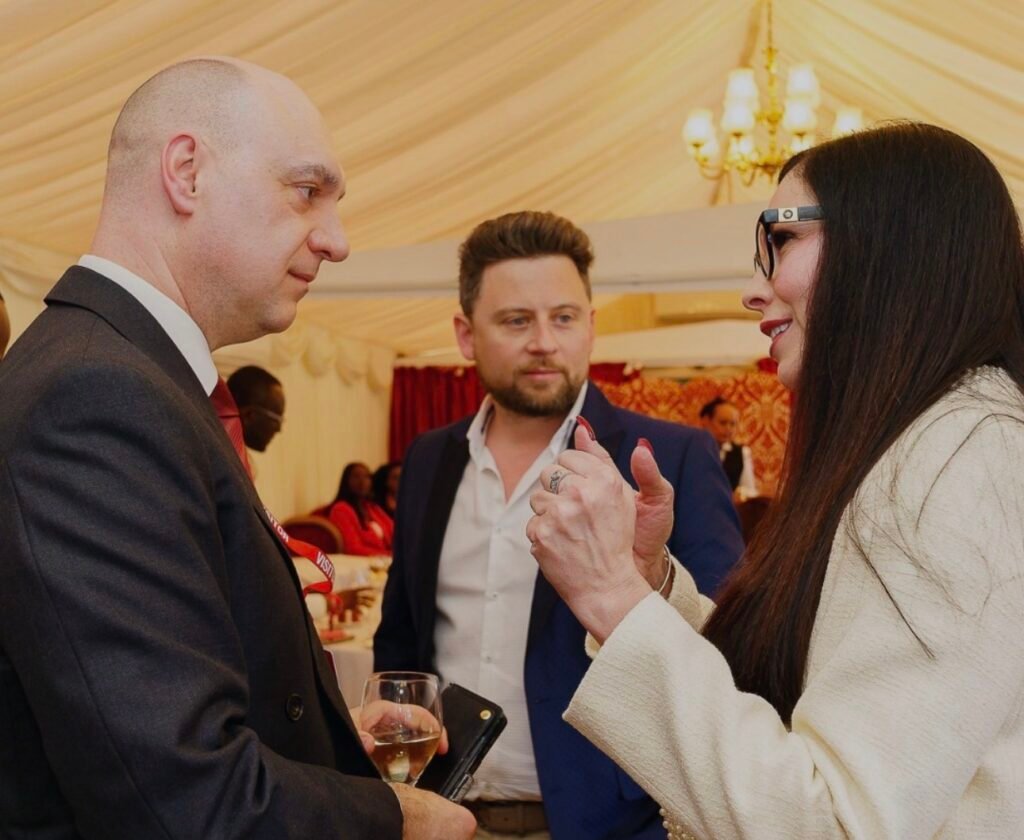
Convened annually at the prestigious British Parliament, House of Lords, Palace of Westminster, by Ambassador Canon Chinenem Otto, the Summit has, over the last four years, successfully fostered international dialogue and partnerships that have contributed to the advancement of global sustainability goals, the establishment of sustainability-focused ministries, departments and policy structures across national and subnational governments, and the attraction of major investors into sustainable development projects, corporations and emerging economies.
This year’s summit, themed “People, Planet, and Profit in the Age of AI and Innovation,” will explore how emerging technologies, responsible leadership, sustainable finance, innovation, and global partnerships can shape a more inclusive, resilient and environmentally conscious future.
The 5th Edition promises to be the most impactful yet, bringing together world leaders, policymakers, diplomats, investors, academics, innovators, climate experts and youth leaders from across the globe to discuss actionable solutions toward achieving a sustainable and equitable future.
Among the distinguished speakers, delegates and honorees already lined up for the Summit are:
• His Excellency Mallam AbdulRahman AbdulRazaq — Executive Governor of Kwara State, Nigeria and Chairman of the Nigeria Governors’ Forum
• His Excellency Senator Prince Bassey Otu — Executive Governor of Cross River State, Nigeria
• Ambassador Patricia Espinosa Cantellano — Former Executive Secretary of UN Climate Change (UNFCCC) and Former Foreign Minister of Mexico
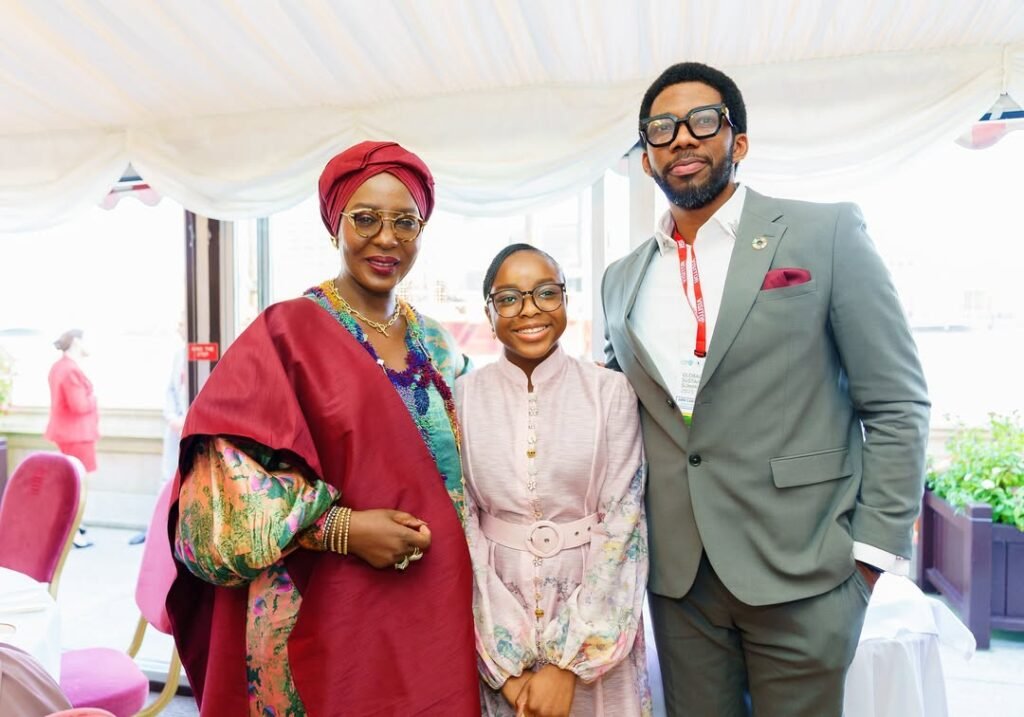
• Lord Marvin Rees, Baron Rees of Easton OBE — Member of the House of Lords, United Kingdom
• Hon. Neema K. Lugangira — Secretary-General of Women Political Leaders (WPL), Brussels and Former Member of Parliament
• Her Excellency Dr. Netumbo Nandi-Ndaitwah — President of the Republic of Namibia
• His Excellency Nangolo Mbumba — Former President of Namibia
• Former President of Tanzania
• Her Excellency Ambassador Professor Olufolake AbdulRazaq — First Lady of Kwara State, Nigeria and Chairperson of Nigeria Governors’ Spouses Forum
• Your Excellency Dr. Dikko Umar Radda, PhD, CON — Executive Governor of Katsina State and Chairman of the Northwest Governors Forum, Nigeria
• Hon. Sam Shafiishuna Nujoma — Governor of Khomas Region, Namibia
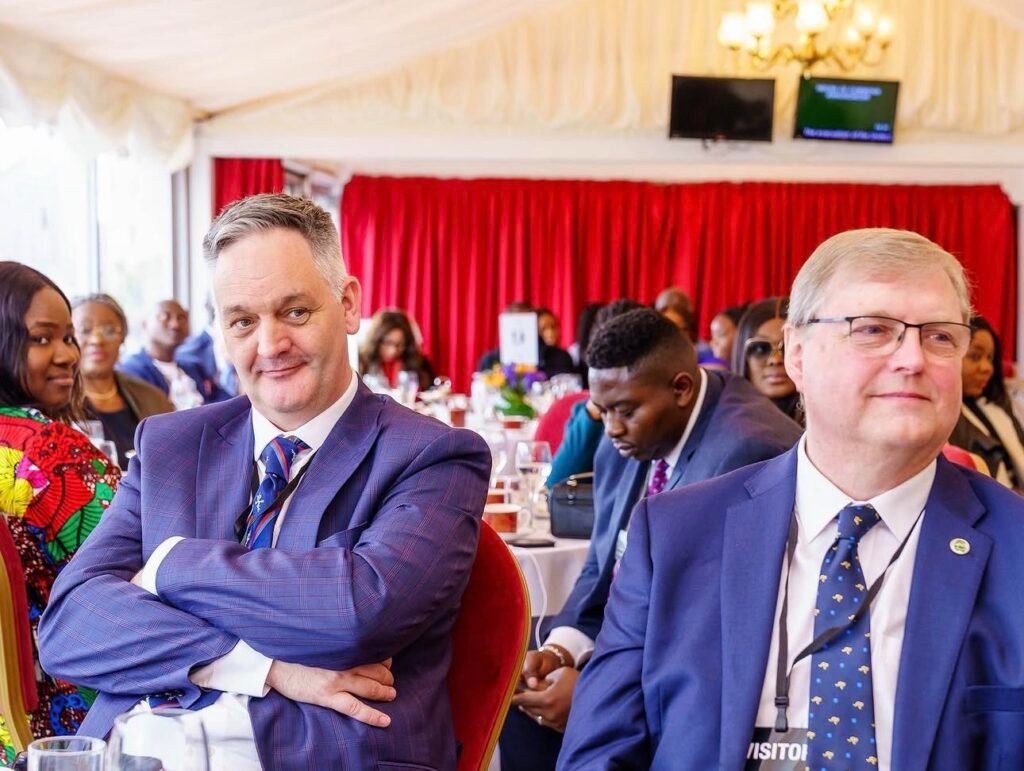
• H.E. Mr. Veiccoh Nghiwete — High Commissioner of the Republic of Namibia to the United Kingdom
• Her Excellency Ms. Macenje “Che Che” Mazoka — High Commissioner of Zambia to the United Kingdom
• Ms. Danielle Newman — Partner Lead, ICT, World Economic Forum
• Leanne Elliott Young — Co-founder, Institute of Digital Fashion & CommuneEast
• Ms. Chloe Russell — Producer & Presenter, Art, Science and Nature
• Professor Marie-Claire Cordonier Segger — University of Cambridge & University of Waterloo
• Dr. Alexandra R. Harrington — IUCN World Commission on Environmental Law (WCEL)
• Professor Payam Akhavan — Massey College, University of Toronto
• Mr. Mallai C. E. Sathya — President, Dravida Vetri Kazhagam and International Movement for Tamil Culture Asia
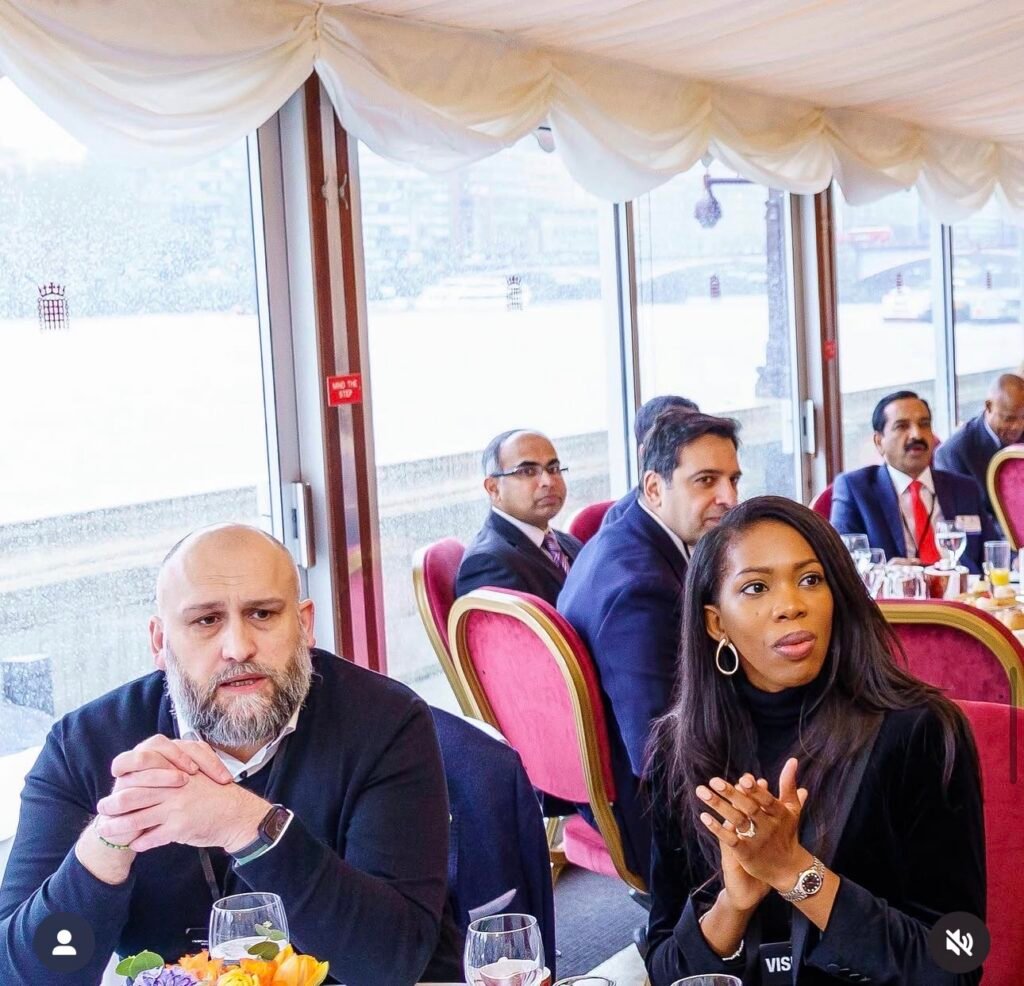
The Summit will feature high-level panel discussions, strategic investment conversations, sustainability awards, policy dialogues, innovation showcases, youth engagement sessions and international networking opportunities focused on climate resilience, ethical financing, food-water-energy sustainability, circular economy, artificial intelligence, diplomacy and sustainable development.
Speaking ahead of the Summit, Convener Ambassador Canon Chinenem Otto noted:
“As the world rapidly evolves through artificial intelligence and technological innovation, we must ensure that sustainability remains people-centered, environmentally responsible and economically inclusive. The Global Sustainability Summit continues to serve as a bridge connecting governments, institutions, innovators and investors to accelerate practical sustainability solutions globally. Our fifth edition is not only a celebration of progress made over the years, but also a renewed call for global collaboration and actionable impact toward achieving the Sustainable Development Goals and Net Zero ambitions.”
The Global Sustainability Summit continues to position itself as a catalyst for transformative partnerships and sustainable global progress, reinforcing the urgent need for collective action toward a more resilient and sustainable future.
More announcements regarding additional speakers, partners and summit activities will be unveiled in the coming weeks.

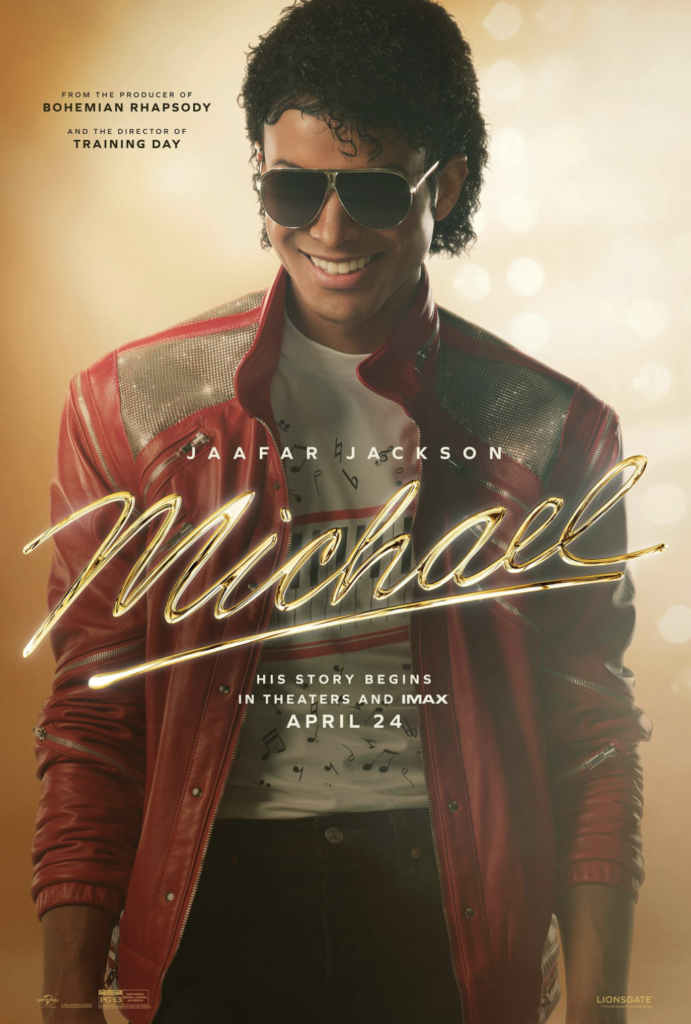
The Michael Jackson biopic Michael is more than celebrity drama; it is a real-time lesson in how legal decisions can quietly rewrite a story that millions of people will see. You do not need a $200M budget for the same forces—contracts, settlements, and rights issues—to shape or even erase key parts of your own work.
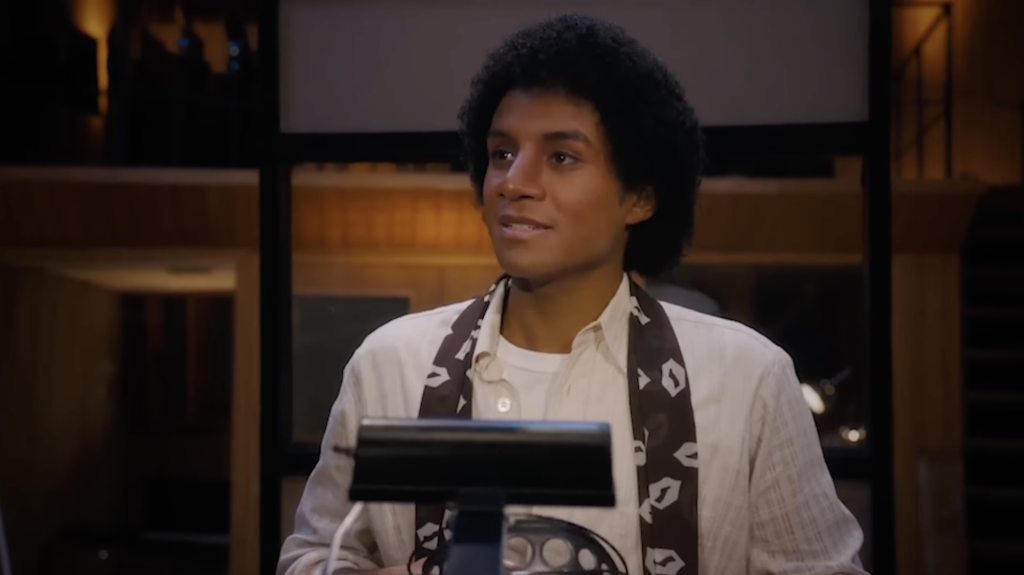
What Happened to Michael
The film Michael originally included a third act that addressed the 1993 child sexual abuse allegations and their impact on Jackson’s life and career. Trade reports say this version showed investigators at Neverland Ranch and dramatized the scandal as a turning point in the story. After cameras rolled, lawyers for the Jackson estate realized there was a clause in the settlement with accuser Jordan Chandler that barred any depiction or mention of him in a movie.
Because of that old agreement, the filmmakers had to remove all references to Chandler and rework the ending so the story stopped years earlier, in the late 1980s at Jackson’s commercial peak.
According to reporting, this meant roughly 22 days of reshoots, costing around 10–15 million dollars and pushing the total budget over 200 million.
Meanwhile, actress Kat Graham confirmed her portrayal of Diana Ross was cut for “legal considerations,” showing how likeness and approval issues can wipe out an entire character even after filming.
For audiences, the result is a movie that intentionally avoids one of the most controversial chapters of Jackson’s life, which some critics argue makes the portrait feel incomplete or selectively curated.
The Hidden Power of Contracts and Rights
The key detail in the Michael story is that a contract signed decades ago could dictate what present-day filmmakers are allowed to show. That settlement clause did not just affect the people who signed it; it effectively controlled the narrative of a big-budget film made years later. This is how legal documents become invisible co-authors: they quietly set boundaries around what your story can and cannot include.
Creators face similar invisible lines with:
- Life-rights and defamation: If you dramatize real people, especially in a negative light, they can claim defamation or invasion of privacy if your portrayal is inaccurate or harmful.
- Copyright and trademarks: Unlicensed music, clips, logos, or artwork can trigger copyright or trademark claims that block distribution or force expensive changes.
- Distribution contracts: Some deals give distributors the right to re-edit, retitle, or repackage your work without your approval unless you negotiate otherwise.
Legal commentary warns that fictionalizing real events and people carries heightened risk because audiences tend to connect your dramatization back to actual individuals. That risk does not disappear just because you are “small” or “indie”; impact, not audience size, usually determines exposure.
Why This Matters for Indie Filmmakers and Creators
Independent filmmakers often choose the indie route precisely to maintain creative control, but they can face more risk if they skip legal planning. Common problems include unclear ownership of the script, missing music licenses, handshake agreements with collaborators, and no written permission to use locations or people’s likenesses. These are the kinds of issues that can derail distribution, block a streaming deal, or force last-minute cuts that fundamentally change your story.
Legal guides for indie filmmakers consistently emphasize a few realities:
- You do not fully “own” your film unless you have clear contracts for writing, directing, producing, and underlying rights.
- Unregistered or unlicensed creative elements (like music and logos) can make your project uninsurable or unattractive to distributors.
- Fixing legal problems after the fact is almost always more expensive and limiting than planning for them at the beginning.
So when you watch Michael skip over certain events, you are seeing, in exaggerated form, the same forces that can shape an indie short, web series, documentary, or podcast episode.
Practical Legal Lessons You Can Apply Now
You do not need a law degree, but you do need a basic legal strategy for your creative work. Here are practical steps drawn from entertainment-law and indie-film resources:
- Clarify who owns the story
- Use written agreements with co-writers, directors, and producers that state who owns the script and finished film.
- If your work is based on a real person or memoir, secure life-rights or written permission where appropriate, especially if the portrayal is sensitive.
- Be intentional with real people and events
- When telling true or inspired-by-true stories, avoid making specific, negative claims about identifiable people unless they are well-documented and legally vetted.
- Change names, details, and circumstances enough that the person is not clearly identifiable if you do not have their cooperation.
- Lock down music and visuals
- Use original scores, licensed tracks, or reputable libraries; never assume you can keep a song just because it is in a rough cut.
- Clear artwork, logos, and recognizable brands, or replace them with generic or custom-designed alternatives.
- Protect yourself in contracts
- When signing any distribution or platform deal, read the clauses about editing, retitling, and marketing carefully; ask for limits or at least consultation rights.
- Include terms that let you reclaim rights if a partner fails to release the work, goes dark, or breaches key promises.
- Document everything
- Keep organized copies of releases, licenses, and contracts; these documents are part of your project’s value and proof of your rights.
- Register your work where applicable (for example, copyright), which strengthens your ability to enforce your rights if someone copies you.
Education-focused legal resources repeatedly stress that preventative steps—basic contracts, clear permissions, and simple registrations—are far cheaper than dealing with takedowns, lawsuits, or forced rewrites later.
The Big Takeaway: Story and Law Are Connected
The Michael biopic illustrates what happens when legal obligations and creative vision collide: whole characters disappear, endings are rewritten, and the public only sees a version of the story that fits within old contracts.
As an indie filmmaker, writer, or content creator, you may not have millions at stake, but you do have something just as valuable—your voice and your ability to tell the story you meant to tell.
Understanding the legal dimensions of your work is not a distraction from creativity; it is a way of protecting it. When you know where the legal boundaries are, you can design stories that are bold, truthful, and still safe enough to reach the audiences they deserve.

Why Some Songs End Up in Movies—While Others Never Do

They Told Him a Black Man Can’t Learn. He Sued Them and Won.


