


World News
Reports of drug money in Mexican politics shake up relations with US on February 1, 2024 at 10:58 pm

U.S.-Mexico relations were rattled Wednesday by reports of a Drug Enforcement Administration (DEA) investigation into drug money connections to Mexican President Andrés Manuel López Obrador’s 2006 campaign.
Three distinct reports, published on ProPublica, InSight Crime and Deutsche Welle (DW), expanded on previous allegations that López Obrador aides took millions of dollars from drug cartels in 2006 in exchange for a promise of lax law enforcement if he came to power.
López Obrador on Wednesday and Thursday railed against the reports, alleging a State Department-led media conspiracy against him.
“In the case of the United States, the State Department and the agencies have a lot of influence in the management of media, and also here, but there is no proof. They are vile slanderers, although they are rewarded as good journalists,” he told reporters at his daily press conference Wednesday.
The reports brought to the surface old grievances that López Obrador has against his political rivals and the United States at a time when President Biden has been actively courting the irascible Mexican president for cooperation on migration enforcement.
The DW report alleges López Obrador placed a thank you call to Edgar Valdez Villarreal — a U.S. citizen known as “La Barbie” who at the time led the Beltrán Leyva Organization — for facilitating between $2 million and $4 million to his campaign.
The Beltrán Leyva Organization at the time was allied with the Sinaloa Cartel under an umbrella group named “La Federación.”
ProPublica and InSight Crime reported that the DEA never established whether then-candidate López Obrador knew of the scheme.
But all three reports, produced independently of one another, conveyed essentially the same story: that DEA agents carried out an investigation that placed López Obrador’s longtime aide Nicolás Mollinedo at the center of the scheme to receive campaign contributions from La Barbie.
The investigations were overseen by the Sensitive Activity Review Committee (SARC), where Department of Justice (DOJ) and DEA officials direct politically sensitive operations.
In 2012, shortly after López Obrador lost his second presidential election to former President Enrique Peña Nieto, SARC pulled the plug on the Mollinedo investigation.
Peña Nieto’s government was seen as less accepting of U.S.-Mexico security cooperation than former President Felipe Calderón’s, under which the two countries signed the Mérida Initiative to jointly combat drug trafficking.
That attitude, according to the reports, made U.S. officials less bullish about pursuing an investigation tied to López Obrador, a major political figure in Mexico.
“In the 21st century, one would hope that what we had been building — starting in 2006, but mainly in the aftermath of the terrorist attacks against the U.S. in 2001, which was, I think, the big transition moment in the security and intel relationship between Mexico and the United States — that that’s the type of relationship that we need today,” said Arturo Sarukhán, who served as Calderón’s 2006 foreign affairs campaign adviser and as Mexican ambassador to the United States from 2007 to 2013.
But following the recent reports, López Obrador railed against deepened security cooperation, implying that Genaro García Luna, Calderón’s now-convicted former top security official, ran the Mexican government during Calderón’s term.
“About the DEA and other agencies involving themselves [in Mexican politics], of course they involve themselves, and more when they’re allowed, as it happened precisely during the government of — I don’t know whether to say Calderón or García Luna — then, they entered the country and did whatever they wanted. So that doesn’t happen anymore and that has them angry,” López Obrador said Wednesday.
García Luna in 2023 was convicted of receiving bribes and using his position to aid the Sinaloa Cartel, in a case that his lawyer described as “built on the backs of some of the most notorious and ruthless criminals to testify in this courthouse.”
López Obrador and officials in his administration celebrated García Luna’s conviction, portraying it as proof that Calderón, López Obrador’s arch-nemesis, was corrupt.
Days ahead of the three reports on the 2006 campaign, the Mexican attorney general revived an old case, the assassination of Mexican presidential candidate Luis Donaldo Colosio in 1994, naming a security agent who was then under García Luna’s command as an alleged second shooter.
Sarukhán called the attorney general’s new revelations “a smoke and mirrors operation” to distract from the stories, all of which had reached out for comment from López Obrador’s office on several occasions.
“If you want a smoking gun, that to me is a smoking gun. It says that at least the Mexican government and the office of the president was very concerned and very uncomfortable by the information that these three outlets published,” said Sarukhán.
The Biden administration has stayed away from addressing the allegations directly, but a person familiar with the situation downplayed the probe, saying “the investigative activity was limited in time, constrained in scope to only drug-related criminal activity, noticed in-country, and concluded.”
In other words, U.S. officials in Mexico and Mexican officials were informed of the investigation before it was shut down.
Officially, DOJ touted its law enforcement cooperation with Mexico.
“The Justice Department fully respects Mexico’s sovereignty, and we are committed to working shoulder to shoulder with our Mexican partners to combat the drug cartels responsible for so much death and destruction in both our countries. It is our standard practice not to comment on the existence of any particular investigative activity. We consistently follow strict internal protocols and oversight for handling all sensitive, international investigations,” a spokesperson told The Hill.
López Obrador on Thursday complained that the Biden administration turning the page was not enough, since the reports were sourced to several U.S. officials.
“That’s an informal question, I don’t accept that. What I want is for the government of the United States to manifest itself, because the president of Mexico has moral authority and has political authority. And if they don’t have proof, they have to apologize,” he told reporters.
Though López Obrador said the allegations in the reports are untrue and amount to libel, calling ProPublica’s Tim Golden “a mercenary at the service of the DEA,” he declined to call for charges against the outlets or the reporters involved.
“He’s a pawn, a mercenary of journalism, like they exist in Mexico they exist in the United States and all over the world, but that has to do with the Department of State, because it’s also not the DEA [by itself], abstractly. What, don’t they have information in the Department of State, in the Department of Justice?”
Those accusations and López Obrador’s position that the reports were somehow engineered by the U.S. government could threaten bilateral cooperation, amid growing Democratic concerns about the role of migration in the 2024 presidential election.
“They know,” said López Obrador of Biden administration officials.
“President Biden should know about this because how are we going to be sitting at the table talking about combatting drugs, if they or one institution of theirs is leaking information and hurting me? Not me, what I represent,” he said.
Mexico, like the U.S., is facing a presidential election this year, and though López Obrador can’t run for reelection, he is pushing for his chosen successor, former Mexico City Mayor Claudia Sheinbaum, to win in June.
Sheinbaum’s opponent, opposition candidate Xóchitl Gálvez, on Wednesday took López Obrador at his word.
Gálvez called Golden a “very prestigious journalist,” but said López Obrador should open a criminal complaint in the United States if he believes the reports are libelous.
“It’s a very grave accusation against the head of the Mexican state,” she said. “He is obligated to present a criminal complaint before the United States, because they are accusing the head of the Mexican State.”
U.S.-Mexico relations were rattled Wednesday by reports of a Drug Enforcement Administration (DEA) investigation into drug money connections to Mexican President Andrés Manuel López Obrador’s 2006 campaign. Three distinct reports, published on ProPublica, InSight Crime and Deutsche Welle (DW), expanded on previous allegations that López Obrador aides took millions of dollars from drug cartels in 2006 in exchange for a…


Business
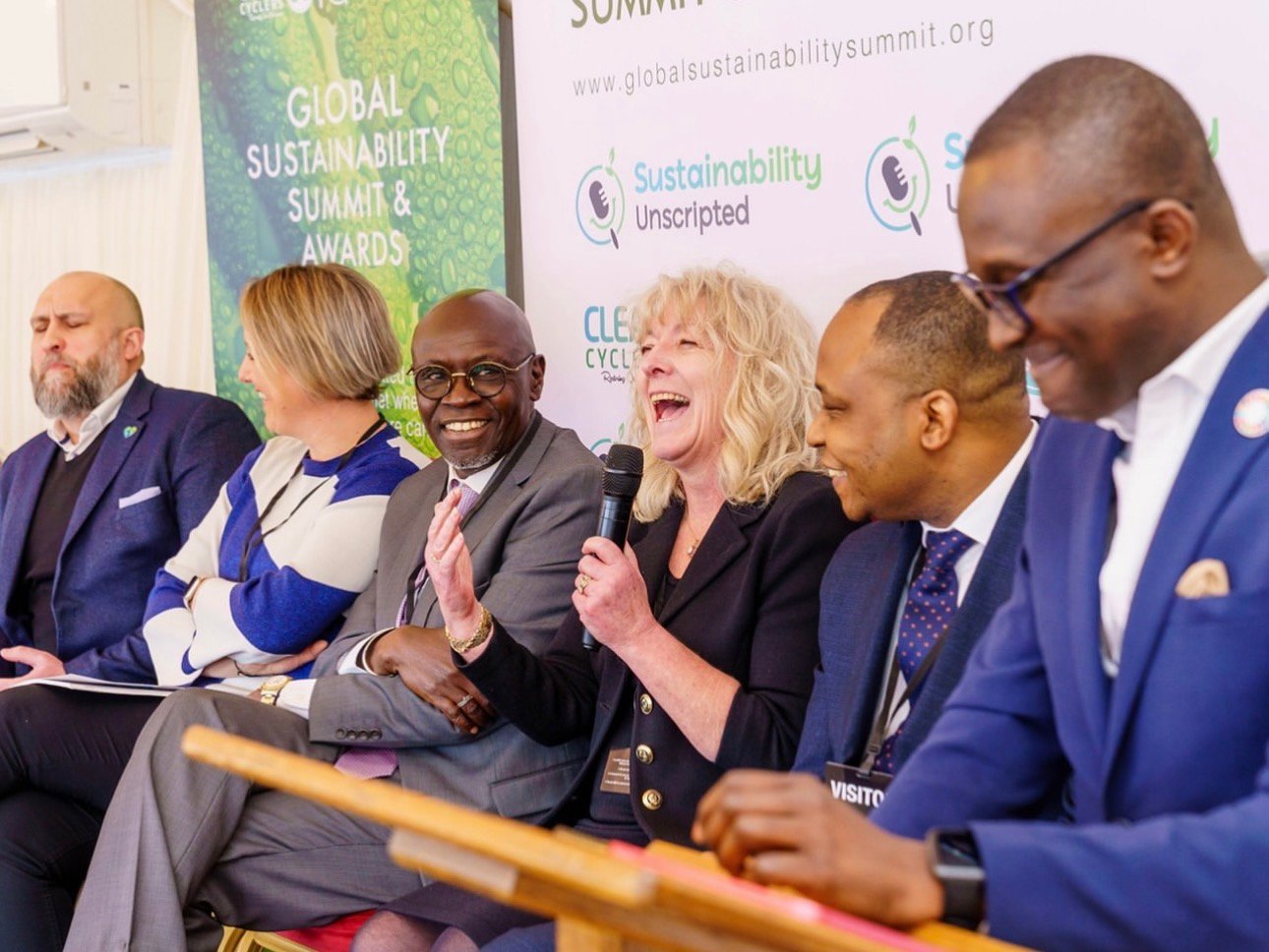
GLOBAL SUSTAINABILITY SUMMIT RETURNS FOR ITS 5TH EDITION AT THE BRITISH PARLIAMENT – HOUSE OF LORDS, PALACE OF WESTMINSTER

FOR IMMEDIATE RELEASE
Theme: “People, Planet, and Profit in the Age of AI and Innovation”
London, United Kingdom — The Global Sustainability Summit (GSS) is officially back for its landmark 5th Edition, continuing its legacy as one of the leading international platforms driving sustainable development, climate action, ethical investment, innovation, and global collaboration.
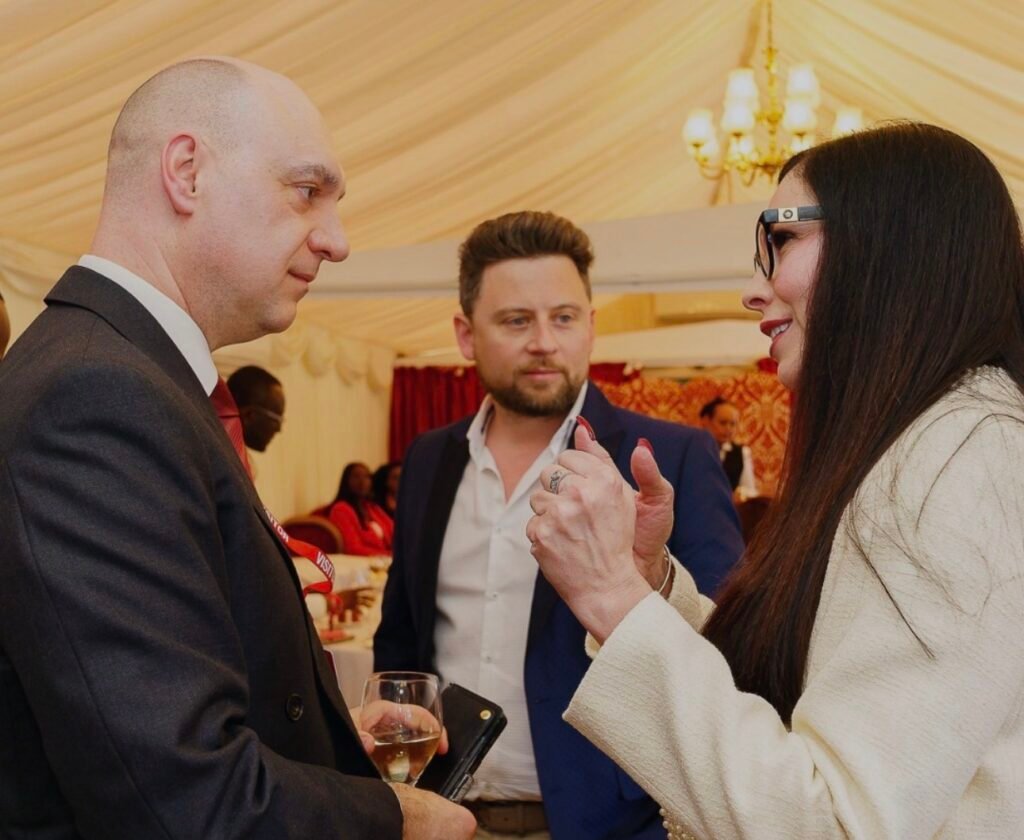
Convened annually at the prestigious British Parliament, House of Lords, Palace of Westminster, by Ambassador Canon Chinenem Otto, the Summit has, over the last four years, successfully fostered international dialogue and partnerships that have contributed to the advancement of global sustainability goals, the establishment of sustainability-focused ministries, departments and policy structures across national and subnational governments, and the attraction of major investors into sustainable development projects, corporations and emerging economies.
This year’s summit, themed “People, Planet, and Profit in the Age of AI and Innovation,” will explore how emerging technologies, responsible leadership, sustainable finance, innovation, and global partnerships can shape a more inclusive, resilient and environmentally conscious future.
The 5th Edition promises to be the most impactful yet, bringing together world leaders, policymakers, diplomats, investors, academics, innovators, climate experts and youth leaders from across the globe to discuss actionable solutions toward achieving a sustainable and equitable future.
Among the distinguished speakers, delegates and honorees already lined up for the Summit are:
• His Excellency Mallam AbdulRahman AbdulRazaq — Executive Governor of Kwara State, Nigeria and Chairman of the Nigeria Governors’ Forum
• His Excellency Senator Prince Bassey Otu — Executive Governor of Cross River State, Nigeria
• Ambassador Patricia Espinosa Cantellano — Former Executive Secretary of UN Climate Change (UNFCCC) and Former Foreign Minister of Mexico
• Lord Marvin Rees, Baron Rees of Easton OBE — Member of the House of Lords, United Kingdom
• Hon. Neema K. Lugangira — Secretary-General of Women Political Leaders (WPL), Brussels and Former Member of Parliament
• Her Excellency Dr. Netumbo Nandi-Ndaitwah — President of the Republic of Namibia
• His Excellency Nangolo Mbumba — Former President of Namibia
• Former President of Tanzania
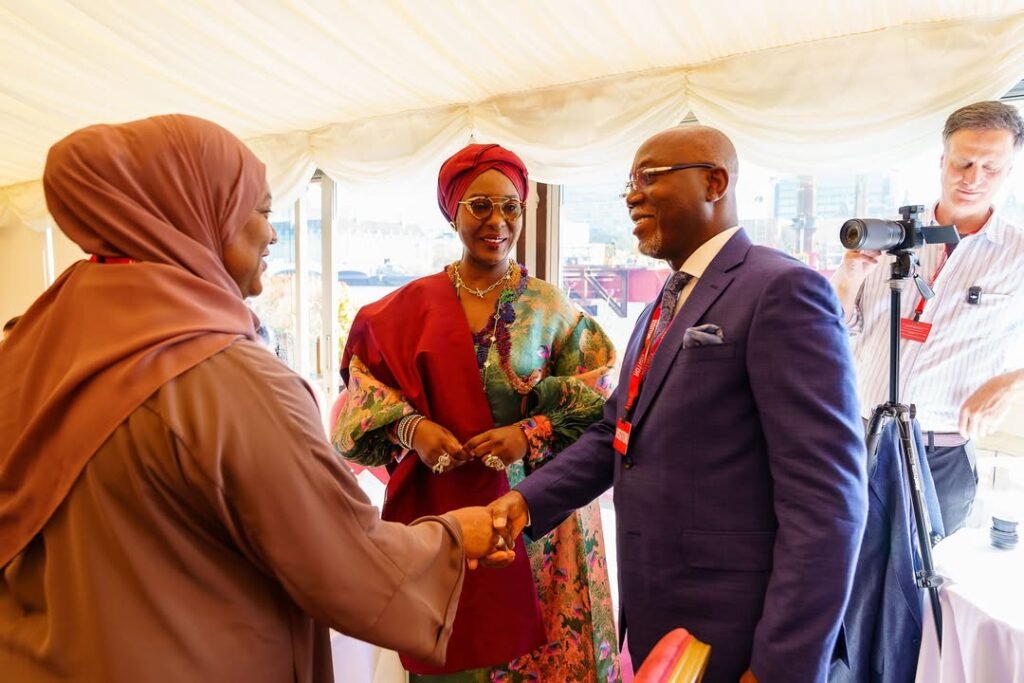
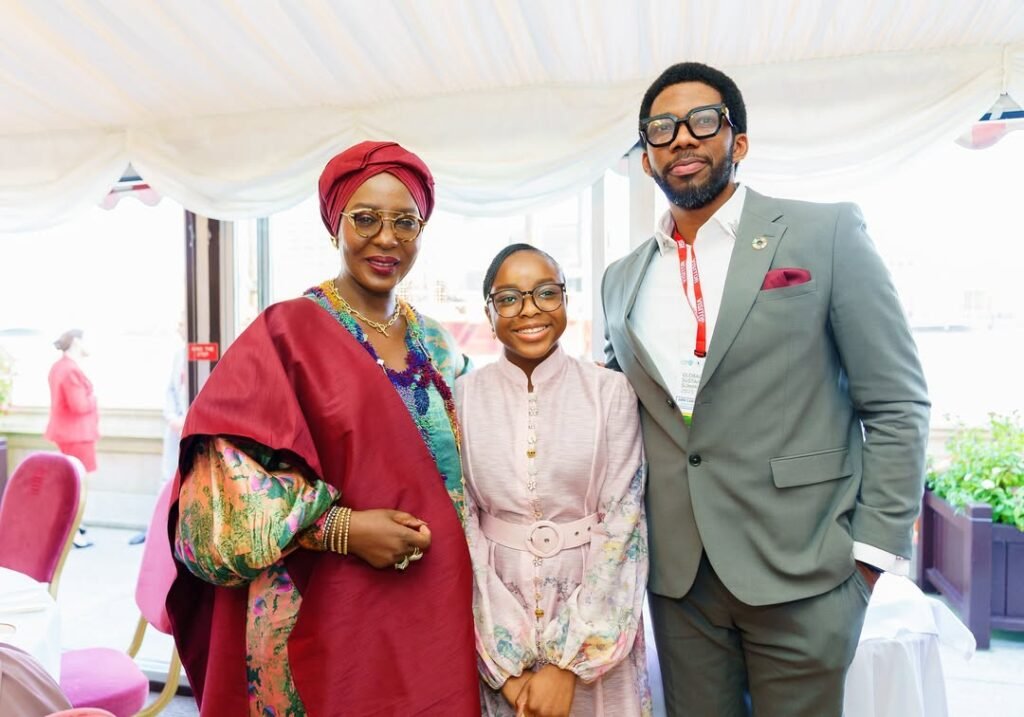
• Her Excellency Ambassador Professor Olufolake AbdulRazaq — First Lady of Kwara State, Nigeria and Chairperson of Nigeria Governors’ Spouses Forum
• Your Excellency Dr. Dikko Umar Radda, PhD, CON — Executive Governor of Katsina State and Chairman of the Northwest Governors Forum, Nigeria
• Hon. Sam Shafiishuna Nujoma — Governor of Khomas Region, Namibia
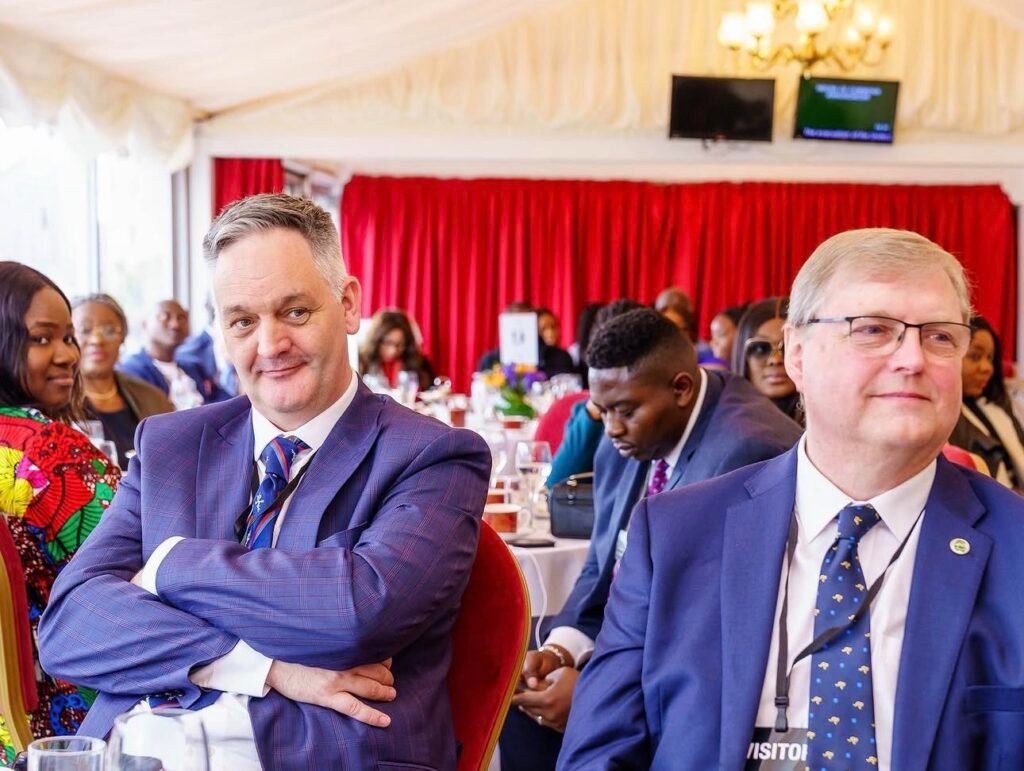
• H.E. Mr. Veiccoh Nghiwete — High Commissioner of the Republic of Namibia to the United Kingdom
• Her Excellency Ms. Macenje “Che Che” Mazoka — High Commissioner of Zambia to the United Kingdom
• Ms. Danielle Newman — Partner Lead, ICT, World Economic Forum
• Leanne Elliott Young — Co-founder, Institute of Digital Fashion & CommuneEast
• Ms. Chloe Russell — Producer & Presenter, Art, Science and Nature
• Professor Marie-Claire Cordonier Segger — University of Cambridge & University of Waterloo
• Dr. Alexandra R. Harrington — IUCN World Commission on Environmental Law (WCEL)
• Professor Payam Akhavan — Massey College, University of Toronto
• Mr. Mallai C. E. Sathya — President, Dravida Vetri Kazhagam and International Movement for Tamil Culture Asia
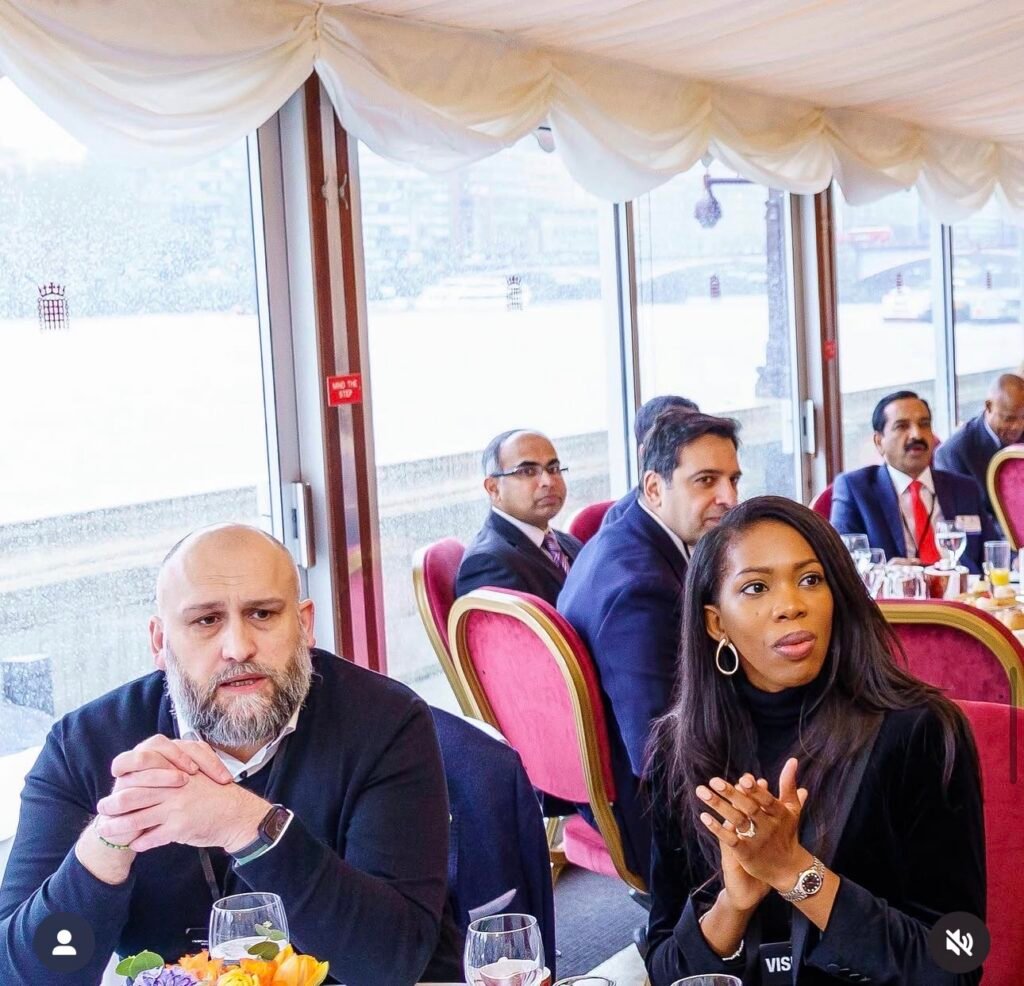
The Summit will feature high-level panel discussions, strategic investment conversations, sustainability awards, policy dialogues, innovation showcases, youth engagement sessions and international networking opportunities focused on climate resilience, ethical financing, food-water-energy sustainability, circular economy, artificial intelligence, diplomacy and sustainable development.
Speaking ahead of the Summit, Convener Ambassador Canon Chinenem Otto noted:
“As the world rapidly evolves through artificial intelligence and technological innovation, we must ensure that sustainability remains people-centered, environmentally responsible and economically inclusive. The Global Sustainability Summit continues to serve as a bridge connecting governments, institutions, innovators and investors to accelerate practical sustainability solutions globally. Our fifth edition is not only a celebration of progress made over the years, but also a renewed call for global collaboration and actionable impact toward achieving the Sustainable Development Goals and Net Zero ambitions.”
The Global Sustainability Summit continues to position itself as a catalyst for transformative partnerships and sustainable global progress, reinforcing the urgent need for collective action toward a more resilient and sustainable future.
More announcements regarding additional speakers, partners and summit activities will be unveiled in the coming weeks.

President Donald Trump says the United States might one day get rid of federal income tax because of money the government collects from tariffs on imported goods. Tariffs are extra taxes the U.S. puts on products that come from other countries.
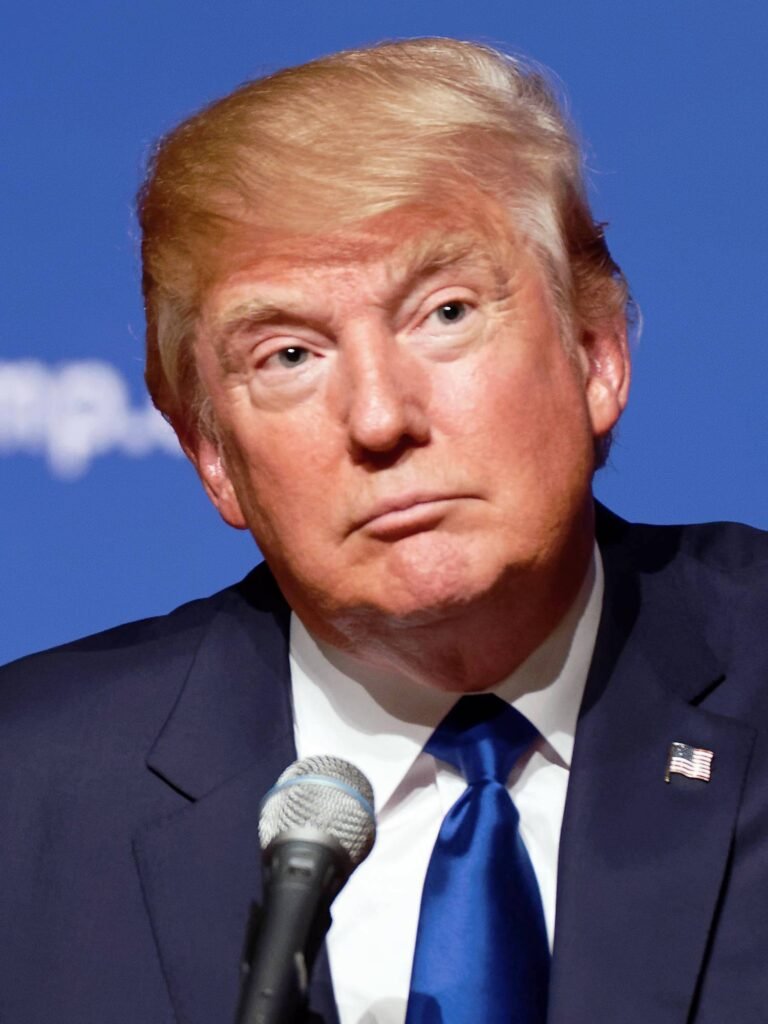
What Trump Is Saying
Trump has said that tariff money could become so large that it might allow the government to cut income taxes “almost completely.” He has also talked about possibly phasing out income tax over the next few years if tariff money keeps going up.
How Taxes Work Now
Right now, the federal government gets much more money from income taxes than from tariffs. Income taxes bring in trillions of dollars each year, while tariffs bring in only a small part of that total. Because of this gap, experts say tariffs would need to grow by many times to replace income tax money.

Questions From Experts
Many economists and tax experts doubt that tariffs alone could pay for the whole federal budget. They warn that very high tariffs could make many imported goods more expensive for shoppers in the United States. This could hit lower- and middle‑income families hardest, because they spend a big share of their money on everyday items.
What Congress Must Do
The president can change some tariffs, but only Congress can change or end the federal income tax. That means any real plan to remove income tax would need new laws passed by both the House of Representatives and the Senate. So far, there is no detailed law or full budget plan on this idea.
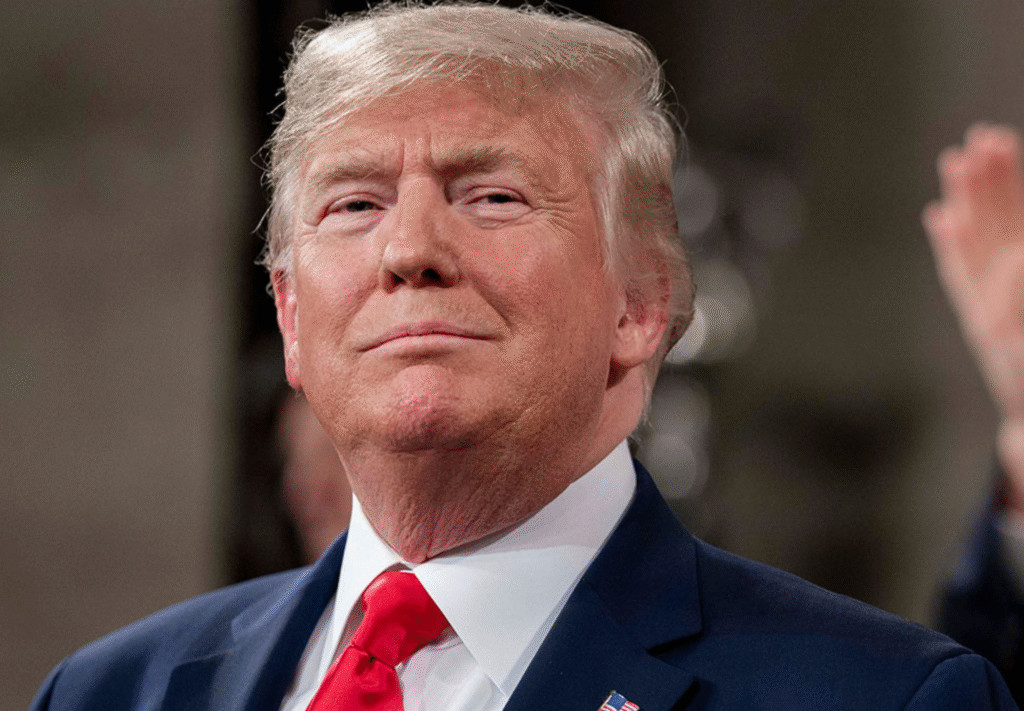
What It Means Right Now
For now, Trump’s comments are a proposal, not a change in the law. People and businesses still have to pay federal income tax under the current rules. The debate over using tariffs instead of income taxes is likely to continue among lawmakers, experts, and voters.
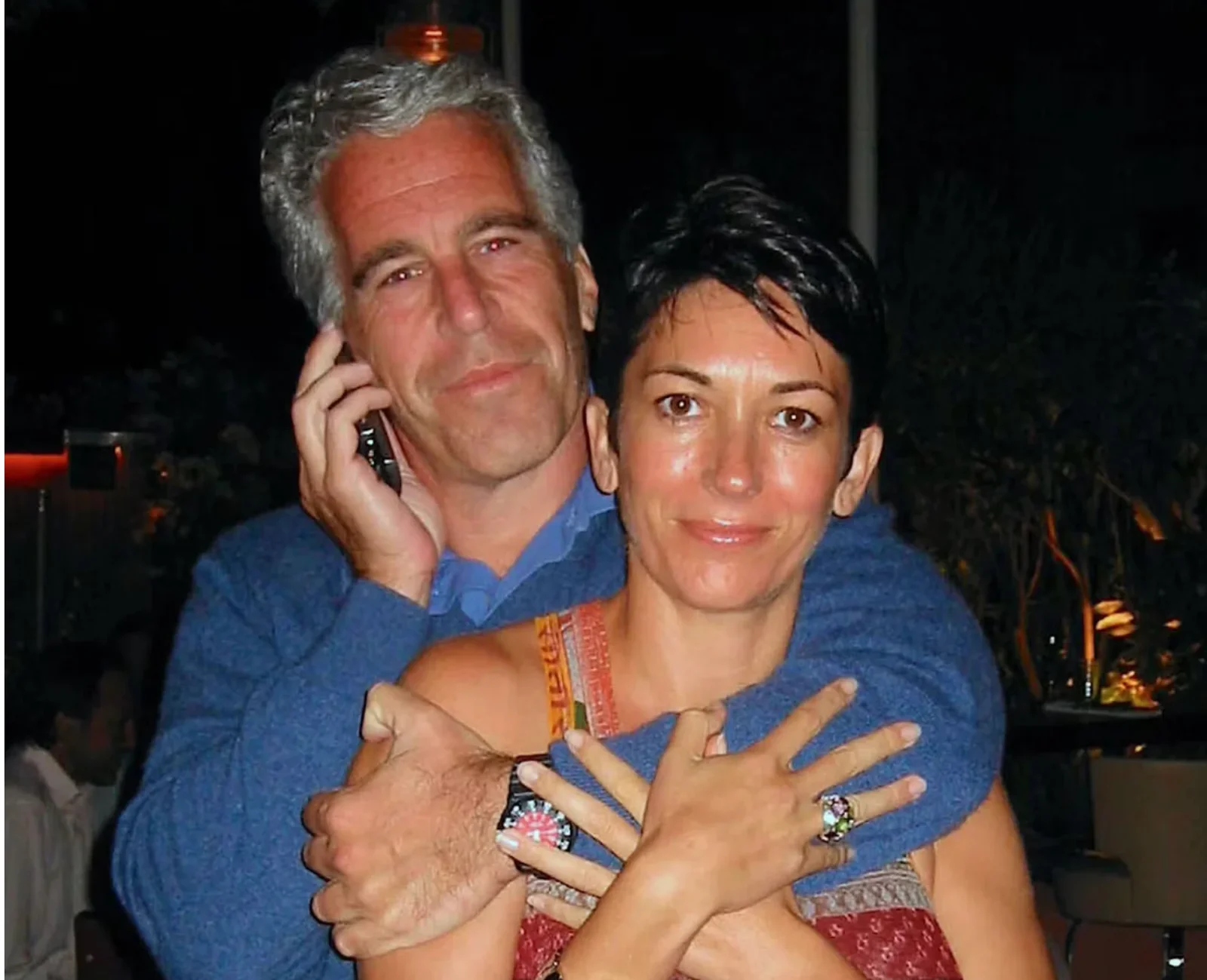
Former President Donald Trump has signed an executive order directing federal agencies to declassify all government files related to Jeffrey Epstein, the disgraced financier whose death in 2019 continues to fuel controversy and speculation.
The order, signed Wednesday at Trump’s Mar-a-Lago estate, instructs the FBI, Department of Justice, and intelligence agencies to release documents detailing Epstein’s network, finances, and alleged connections to high-profile figures. Trump described the move as “a step toward transparency and public trust,” promising that no names would be shielded from scrutiny.
“This information belongs to the American people,” Trump said in a televised statement. “For too long, powerful interests have tried to bury the truth. That ends now.”
U.S. intelligence officials confirmed that preparations for the release are already underway. According to sources familiar with the process, the first batch of documents is expected to be made public within the next 30 days, with additional releases scheduled over several months.

Reactions poured in across the political spectrum. Supporters praised the decision as a bold act of accountability, while critics alleged it was politically motivated, timed to draw attention during a volatile election season. Civil rights advocates, meanwhile, emphasized caution, warning that some records could expose private victims or ongoing legal matters.
The Epstein case, which implicated figures in politics, business, and entertainment, remains one of the most talked-about scandals of the past decade. Epstein’s connections to influential individuals—including politicians, royals, and executives—have long sparked speculation about the extent of his operations and who may have been involved.
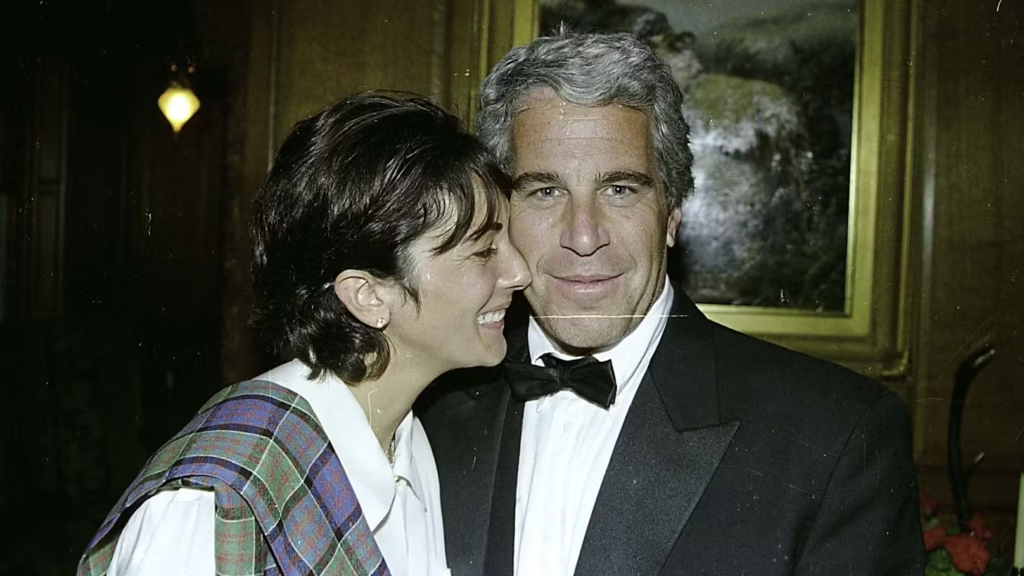
Former federal prosecutor Lauren Fields said the release could mark a turning point in public discourse surrounding government transparency. “Regardless of political stance, this declassification has the potential to reshape how Americans view power and accountability,” Fields noted.
Officials say redactions may still occur to protect sensitive intelligence or personal information, but the intent is a near-complete disclosure. For years, critics of the government’s handling of Epstein’s case have accused agencies of concealing evidence or shielding elites from exposure. Trump’s order promises to change that narrative.
As anticipation builds, journalists, legal analysts, and online commentators are preparing for what could be one of the most consequential information releases in recent history.

Why Some Songs End Up in Movies—While Others Never Do

They Told Him a Black Man Can’t Learn. He Sued Them and Won.


