News
96% of Diversity Leaders Aren’t Black

In a world where diversity, equity, and inclusion (DEI) have become corporate buzzwords, a startling statistic emerges: 96% of diversity leaders aren’t Black. This figure reveals a profound disconnect between the stated goals of DEI initiatives and the reality of who’s steering these efforts. Recent events, including President Trump’s controversial actions, have brought this issue into sharp focus, reigniting the debate on DEI policies and their effectiveness.

Trump’s Executive Order: A Seismic Shift
On January 21, 2025, President Trump signed an executive order titled “Ending Illegal Discrimination and Restoring Merit-Based Opportunity.” This order aims to impose new curbs on DEI in federal contracting and steer the private sector away from DEI policies and practices. The order revokes a wide swath of executive actions relating to diversity, inclusion, and equal employment opportunity dating back to 1965.

Key aspects of the order include:
- Ending affirmative action regulations for federal contracts
- Directing government agencies to remove remaining DEI-related programs
- Identifying prominent businesses for enforcement actions targeting private DEI-related programs and practices
The Numbers Don’t Lie
As of 2025, the racial breakdown of Chief Diversity Officers paints a stark picture:
- White: 76.1%
- Hispanic or Latino: 7.8%
- Asian: 7.7%
- Black or African American: 3.8%
These percentages are particularly troubling when we consider that Black people make up 12.8% of the U.S. workforce. The underrepresentation in DEI leadership roles mirrors a broader trend in corporate America, where only eight Fortune 500 companies have a Black CEO as of 2024.
The Cost of Exclusion
The irony of exclusion in inclusion efforts isn’t just a moral failing—it’s bad for business. Companies with diverse workforces are more likely to be innovative. Yet, the lack of diversity in leadership persists:
- Only 1.6% of Fortune 500 CEOs are Black, a figure that is both abysmally low and nearly record-breaking.
- Black directors hold 11.9% of board seats at S&P 500 companies, up from 9.5% at the end of 2020.
- There are only 13 Black CFOs at S&P 500 companies compared to 6 in 2016.
Breaking the Cycle
Addressing this paradox requires more than just acknowledging the problem. It demands concrete action:
- Early Career Support: Black individuals often miss out on management opportunities early in their careers. Targeted mentorship and leadership programs could help bridge this gap.
- Challenging Stereotypes: Cultural stereotypes often hinder the advancement of minority groups. Conscious efforts to recognize and counteract these biases are crucial.
- Accountability: Companies need to set clear, measurable goals for diversity in leadership positions and hold themselves accountable for achieving them.
The Path Forward
As the nation grapples with these changes and controversies, questions arise about the future of diversity efforts in America. Will Trump’s actions reverse progress, or will they spark a renewed commitment to addressing racial disparities in leadership roles?
The debate continues, but one thing is clear: the disconnect between DEI leadership and the communities they aim to serve remains a pressing issue that demands attention and action. As we move towards a future where groups formerly viewed as “minorities” are projected to reach majority status, the need for representative leadership becomes even more critical.
The question remains: Can we create a future where those championing diversity truly reflect the diversity they seek to promote? The answer lies not just in statistics, but in our collective commitment to change, our willingness to challenge the status quo, and our ability to create meaningful opportunities for Black professionals in DEI leadership roles.
Bolanle Media covers a wide range of topics, including film, technology, and culture. Our team creates easy-to-understand articles and news pieces that keep readers informed about the latest trends and events. If you’re looking for press coverage or want to share your story with a wider audience, we’d love to hear from you! Contact us today to discuss how we can help bring your news to life











News
Stats Don’t Tell It All: Adam Drexler Talks Hoops, Hustle, and His Global Pro Career at the Globall Facility
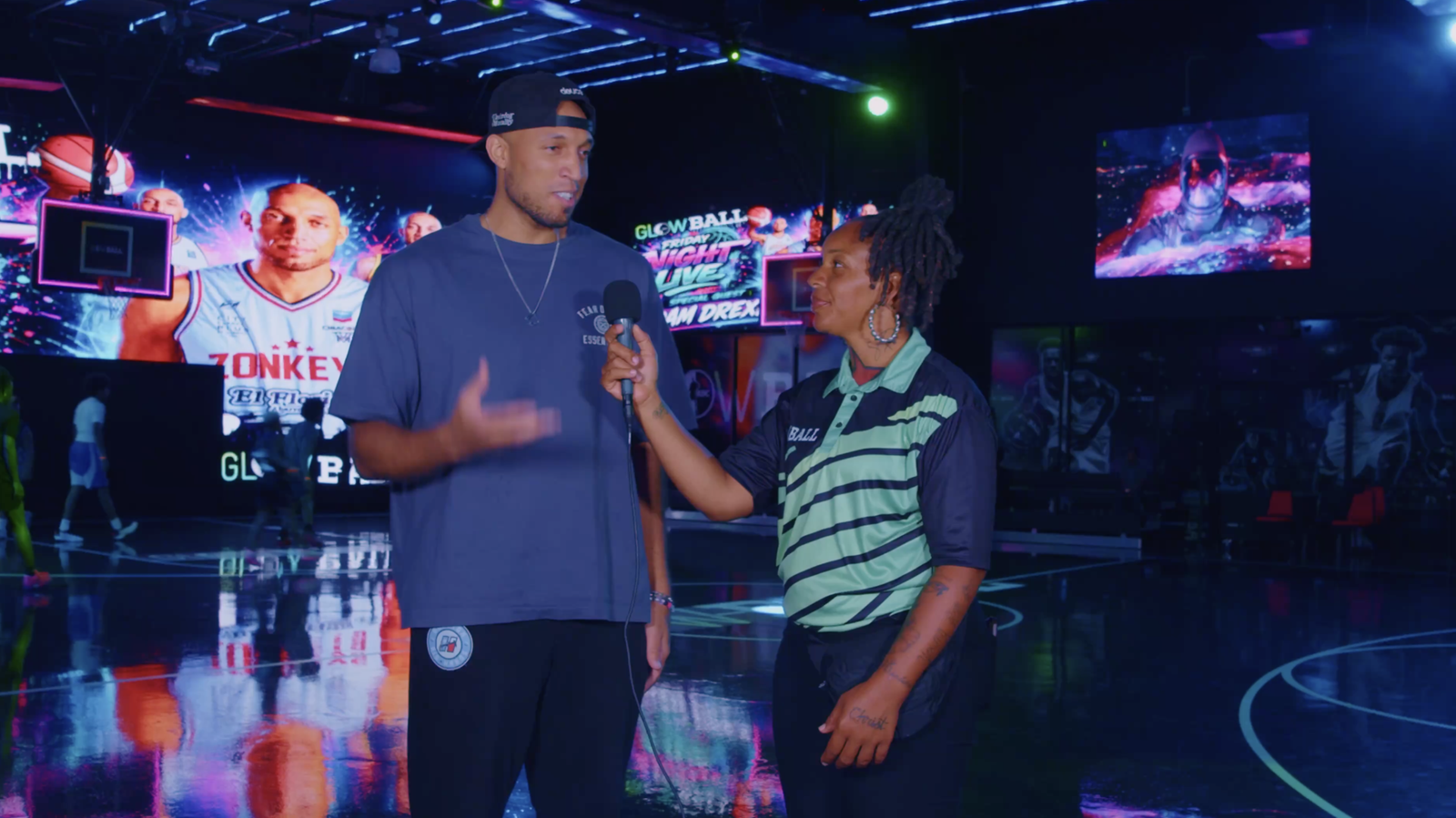
On a powerful Friday Night Live at the Globall facility, Adam Drexler stepped into KDC GlowBall not just as a pro athlete, but as a blueprint of what discipline, faith, and effort can build over time. Hosted by national gospel recording artist Shawna Pat, the night blended competition, worship‑level energy, and real‑life mentorship for Houston‑area youth who dream of playing at the highest level.
Presented by Roselyn Omaka of Bolanle Media, the evening marked a milestone: Adam became the first official guest speaker to address the young hoopers at KDC GlowBall, setting a high standard for every guest who will follow.
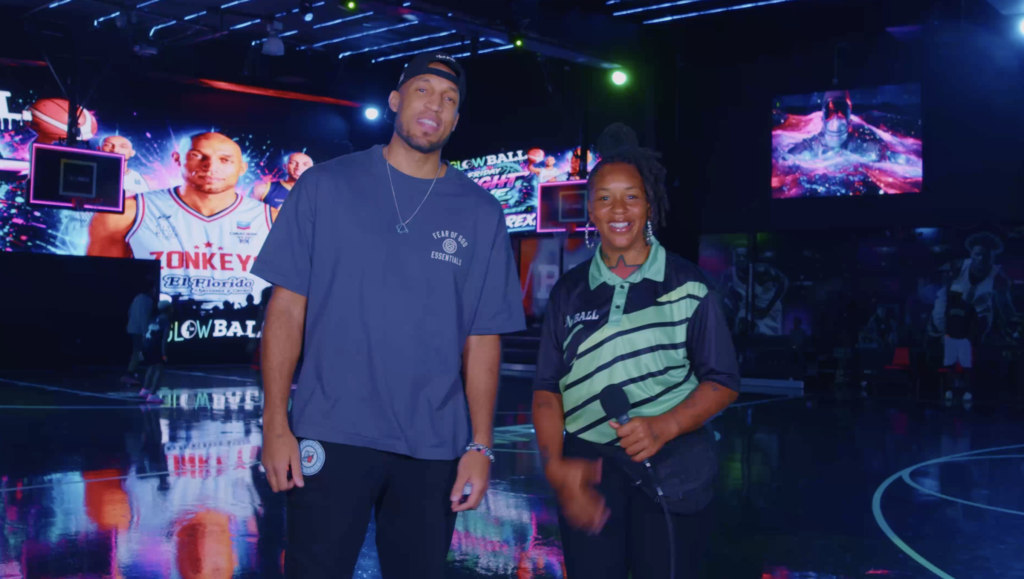
A Facility Built for Dreams: Inside KDC GlowBall
From the moment he walked in, Adam made it clear he felt at home inside KDC GlowBall. Surrounded by glowing rims, music, and a packed gym, he described the Globall facility as a place where kids can “just be a kid, have fun, and just play the game of basketball,” calling the court their playground and their launching pad.
KDC GlowBall, located at the Globall facility in Spring, Texas, has quickly become a destination for Friday Night Live—an immersive hoop experience that mixes competition, creativity, and community under the leadership of Shawna Pat and the KDC team. The environment gave Adam the perfect backdrop to speak honestly about his journey, his faith, and the mindset it takes to turn potential into purpose.
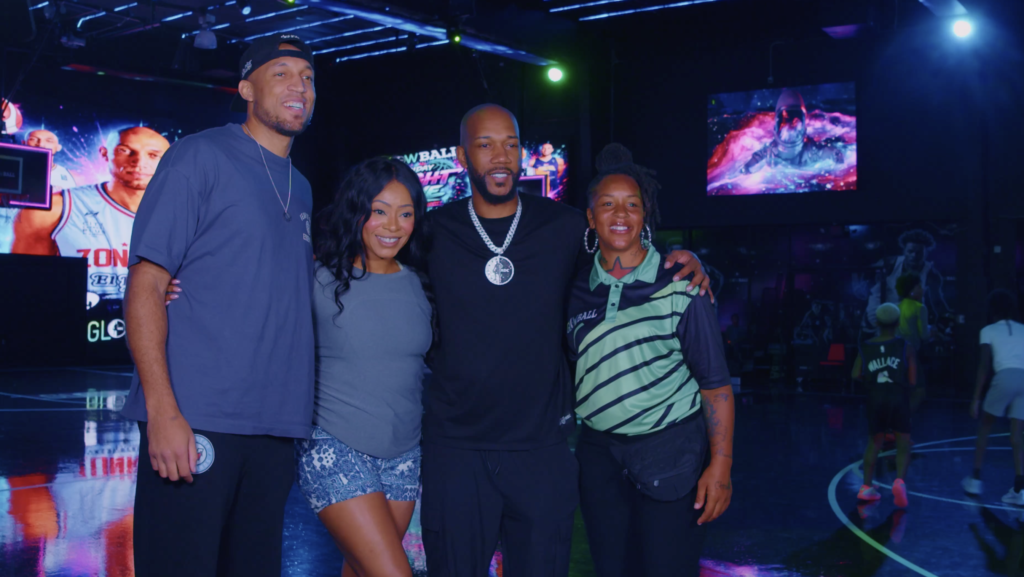
The Conversation: Shawna Pat x Adam Drexler
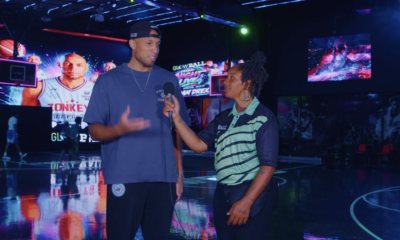
After his talk, Adam sat down at center court with host Shawna Pat for a live, in‑the‑moment conversation that felt like a mix between a locker‑room chat and a motivational interview. Shawna opened by reminding the crowd that Adam was their first speaker at KDC Global’s Friday Night Live and asked him how it felt to be in the building; Adam responded with gratitude and joy, saying he was “honored” and that seeing kids have a place like this “brings so much joy” to him.
Shawna pointed out that he had spoken to the kids about effort and asked why he chose that topic when he could’ve focused on anything. Adam explained that effort was the one principle that shaped him as a kid—something his father drilled into him—and that no matter what happens in life, effort is the one thing you can always control. He challenged the kids to know the difference between “trying” and just “being cool,” and to choose trying every time, whether they were running sprints, taking a jump shot, or facing personal struggles.
The chemistry between Shawna and Adam was undeniable. She teased him about future opportunities—commentating, media, film—and even claimed her spot as his hype announcer, joking they’d be “the best duo since Kobe and Shaq.” It turned a serious message into a memorable moment, showing the kids that hard work and joy can coexist.
Adam Drexler’s Journey: From Houston Gyms to Pro Ranks
Adam’s words carried weight because they came from experience shaped in the very city these kids call home. Raised in Houston, he played multiple sports at Northland Christian High School, where he developed as a versatile athlete and team leader before moving on to college basketball.
He began his college career at Loyola Marymount, then transferred back to the University of Houston, joining the Cougars as a walk‑on and earning his minutes through toughness and consistency. During the 2014–15 season, he appeared in 11 games for Houston, contributing with defense, rebounding, and timely scoring—including hitting a big three on the road and grabbing key boards in early‑season contests.
From there, he built an 11‑year professional career that took him around the world, playing in countries like Mexico, Japan, and Indonesia before joining Ice Cube’s BIG3 league. In the BIG3, he was drafted by Aliens head coach Rick Mahorn, who praised Adam’s physicality and defensive edge. At 6’5″–6’6″, he’s known for his athleticism, slashing ability, and willingness to do the dirty work on both ends of the floor.
Legacy, Faith, and Giving Back
As the son of Hall of Famer Clyde “The Glide” Drexler—an NBA champion, 10‑time All‑Star, and Olympic gold medalist—Adam grew up seeing greatness up close. Instead of hiding in that shadow, he has written his own chapter, built on humility, service, and a deep love for the game.
Off the court, Adam has poured energy into youth outreach and his foundation, focusing on opportunities for young people to grow in confidence and character. He’s now exploring new lanes like basketball commentary, on‑camera work, and film, telling Shawna and the crowd that he “loves talking basketball” and wants to break down the modern game for fans everywhere.
Why This Night at the Globall Facility Matters
For the kids at KDC GlowBall, this wasn’t just another open gym—it was a masterclass in effort, resilience, and faith given by someone who has walked the exact path many of them hope to travel. Adam’s appearance, amplified by Shawna Pat’s hosting and the energy of the KDC team, turned the Globall facility into more than a court; it became a live classroom where dreams felt reachable.
With Bolanle Media helping connect pro talent like Adam Drexler to spaces like KDC GlowBall, Friday Night Live is positioned to become a staple in Houston’s basketball and youth culture—where every guest speaker, every conversation, and every game under the glow lights pushes the next generation closer to who they’re called to be.

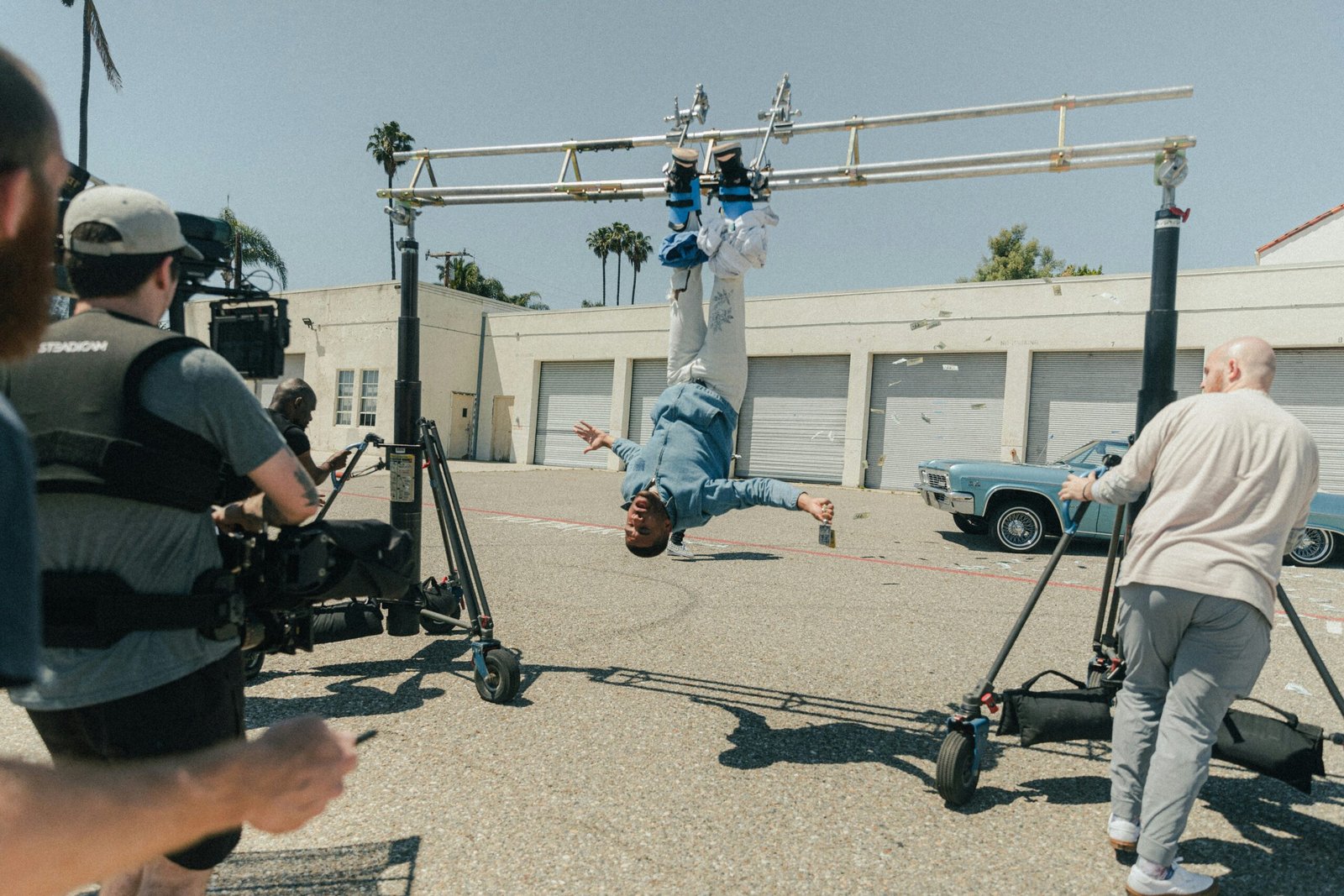
If you are making an indie film in 2026, the harsh truth is this: getting your movie finished and on a platform is no longer the hard part—getting paid is.
More films are being made than ever, distribution is technically easier, but revenue per title is thinner and attention is brutally fragmented.
The filmmakers who are still making real money are not the ones waiting on a miracle streaming deal. They are the ones treating their film like a business from day one and building multiple income streams around a clear audience.
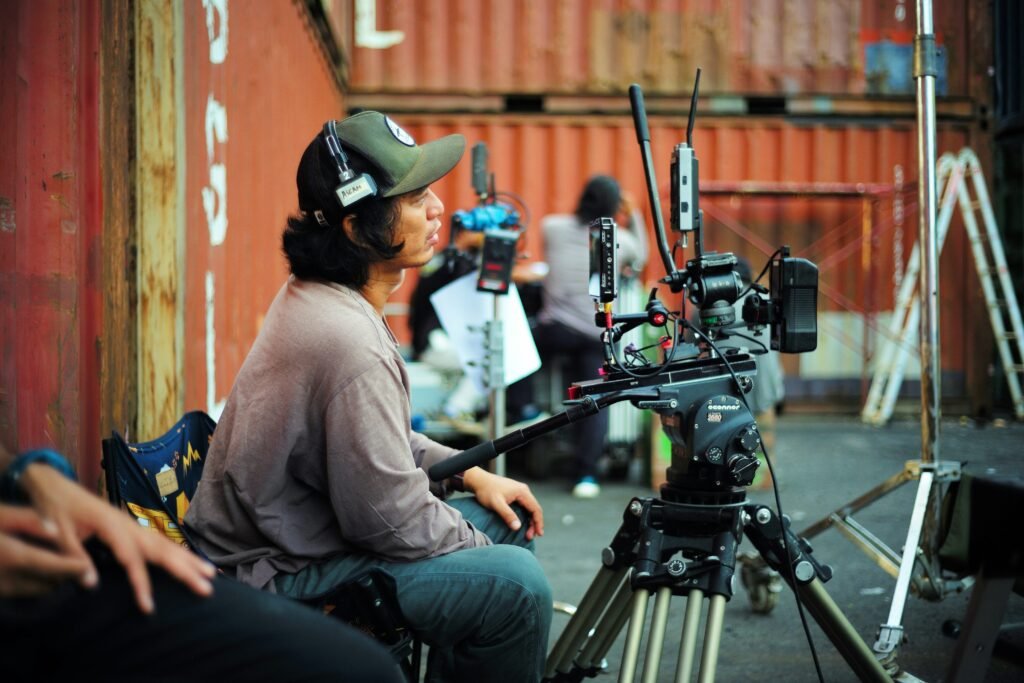
1. They Pick A Profitable Film Type
By 2026, industry voices are clear: most indie films lose money not because they are bad, but because they are built in the wrong category.
The projects that consistently work fall into three lanes: contained genre films, niche‑audience films, and platform‑native projects.
- Contained genre (usually horror/thriller) wins because budgets stay low, hooks are simple, and global genre audiences are always hunting for new titles.
- Niche‑audience films aim at a specific community—faith‑based, diaspora, LGBTQ+, true crime, or professional/educational groups—and monetize depth, not mass appeal.
- Platform‑native projects are designed for YouTube, TikTok or vertical drama platforms first, focusing on retention, recurring episodes, and community, then later spinning out into features or specials.
If your film does not clearly sit in one of these lanes (or intentionally combine them), your odds of recouping drop fast.
2. They Use Hybrid Distribution, Not Just “Pray For Netflix”
Experienced producers now treat hybrid distribution as the default, not the backup plan.
Rather than chasing one big check, they stack windows: festivals or event screenings, transactional VOD, ad‑supported platforms (AVOD/FAST), niche streamers, community screenings, and educational or territory sales.
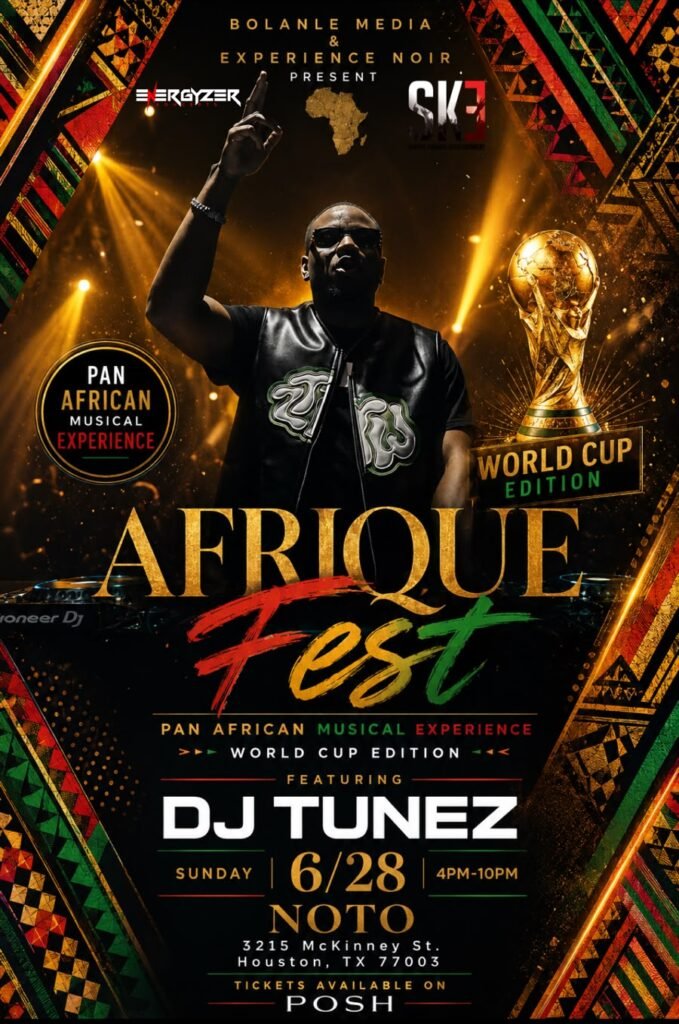
Commentary from 2026 emphasizes that many indie films now generate their first meaningful money from AVOD/FAST exposure and niche platform deals, not prestige SVOD buys.
Educational licenses, targeted theatrical runs, and community tours can also push a well‑positioned film into six‑figure revenue even on modest budgets.
The point: filmmakers making money in 2026 are not hoping for “one big sale.”
They design a revenue ladder—several smaller checks that add up over time.
3. They Build An Audience Before Picture Lock
The filmmakers who will thrive in 2026 are the ones who start audience‑building as soon as they start development.
Industry advice is blunt: if you do not have a few thousand people waiting for your trailer, your film is functionally invisible on day one.
Winning filmmakers treat their project like a startup:
- They collect emails, DMs, and community members months before release.
- They share behind‑the‑scenes content, concept tests, and character moments on social platforms to validate demand.
- They line up partners—podcasts, newsletters, community leaders—who can help drive the first wave of views or ticket sales.
This audience then powers crowdfunding, launch‑day sales, merch, and even future projects.
4. They Think Like Producers, Not Just Directors
In 2026, investors and buyers are saying yes to filmmakers who show they understand the commercial side, not just the artistic one.
Thought leaders keep repeating the same idea: ideas don’t get funded, producers do.
That means:
- Clear budgets that match the realistic earning potential of the project.
- A one‑page plan for who the film is for, how it will reach them, and which revenue streams are in play.
- A willingness to scale down the dream if the numbers don’t add up—better a lean, recoupable film than a bloated “donation.”
If you want to make money as an indie filmmaker in 2026, start by asking two questions:
Which lane is my film in—and exactly how does it get paid.
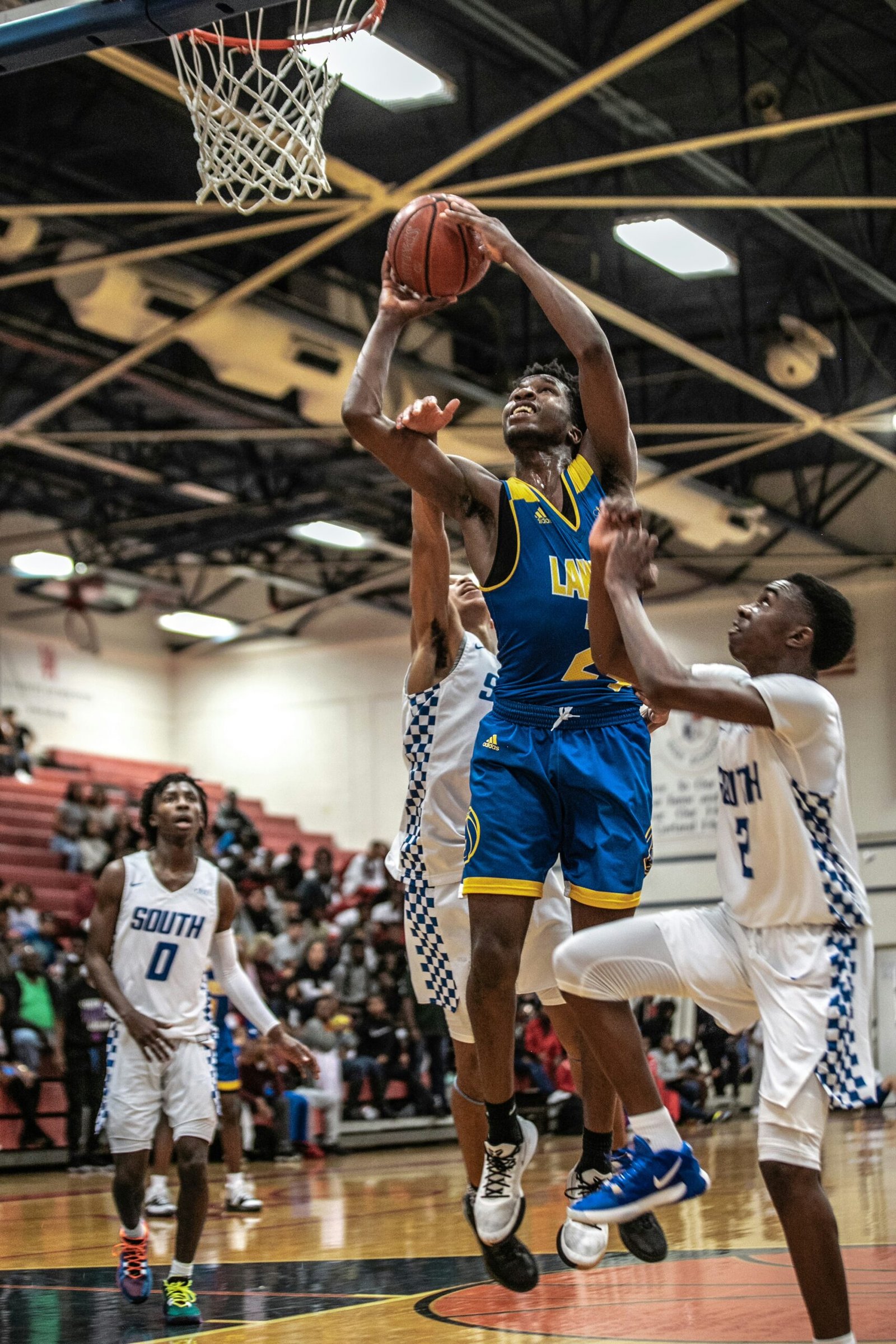
The New York Knicks didn’t just win games — they turned their franchise into a living, breathing culture that spills out of Madison Square Garden and onto timelines, street corners, and global screens. For filmmakers and creatives, their rise is a blueprint for how to build a world people want to belong to, not just content people scroll past.
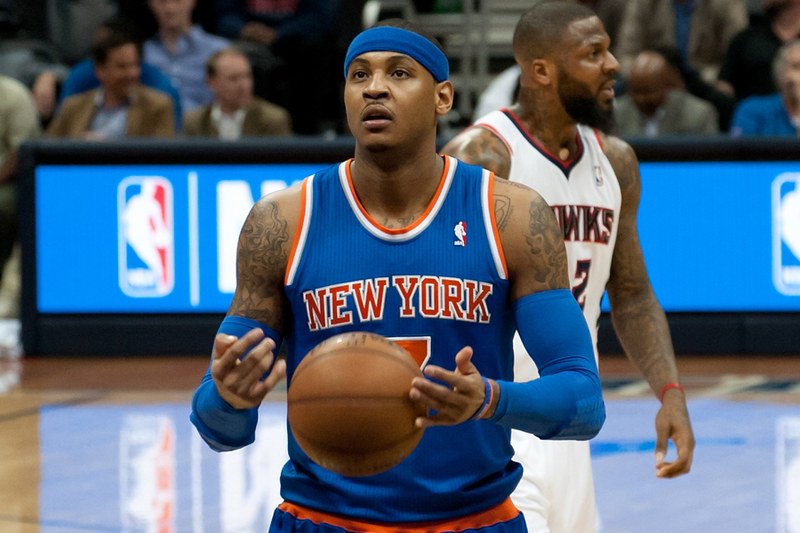
The Knicks as a mirror of New York
The Knicks have always been more than a roster; they’ve been a symbol of New York’s identity, especially in tough eras where the city and the team rose and fell together. From the 1970s onward, writers and historians have pointed out how the Knicks reflected the city’s struggles with decline, race, and rebirth, turning each season into a chapter of New York’s larger story.
“Their jerseys became part of TV wardrobes, their games became plot points, and their fandom became synonymous with New York itself.”[plastik]
That deep fusion of team and city is what every storyteller is chasing: a narrative so embedded in place and people that it feels like home, even to someone watching from thousands of miles away.
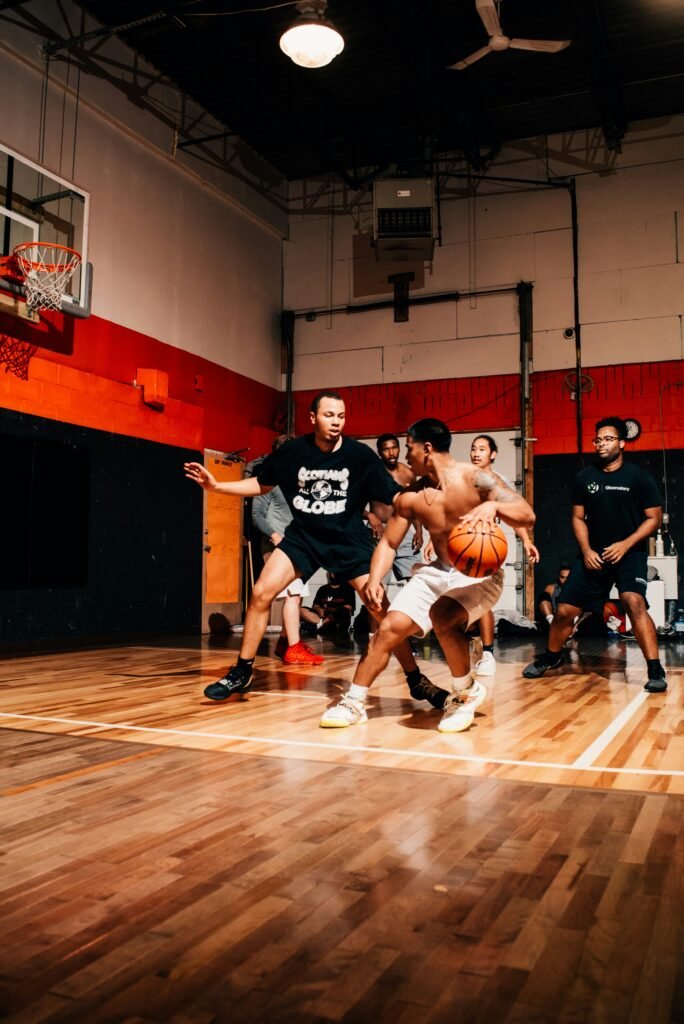
From basketball games to cultural episodes
On paper, each Knicks game is 48 minutes of basketball. In practice, it’s an episodic series: recurring characters, long‑running rivalries, cliffhangers, and season‑long redemption arcs. The recent title run — toppling stars they “weren’t supposed” to beat and finally lifting a championship after decades — reads like a perfectly structured third act in a film.
“The Knicks were not supposed to beat Victor Wembanyama and the Spurs in the NBA Finals. But they did, and they did it together.”- Yahoo
What makes it feel cinematic is how the story lives beyond the court: talk radio, classroom debates, group chats, and social feeds all rewinding plays, arguing calls, and mythologizing moments in real time. For Bolanle Media’s audience, that’s the lesson — your film, event, or project can’t end at the premiere; it has to continue as shared conversation and communal memory.
Fandom as identity, not “audience”
Knicks fans don’t just “support a team”; they treat fandom as part of who they are — a shorthand for loyalty to New York itself. People describe feeling an instant connection with anyone in blue and orange, as if they’re part of the same extended family, regardless of background.
“What this Knicks run has taught me about identity, community, exile, and being a part of something bigger than yourself.”-Ben Rhodes
That’s what you want around your stories: community, not just viewership. Knicks fans endure decades of pain and still show up; that’s the kind of irrational loyalty great filmmakers and media brands earn when they consistently show people a version of themselves they recognize and cherish.
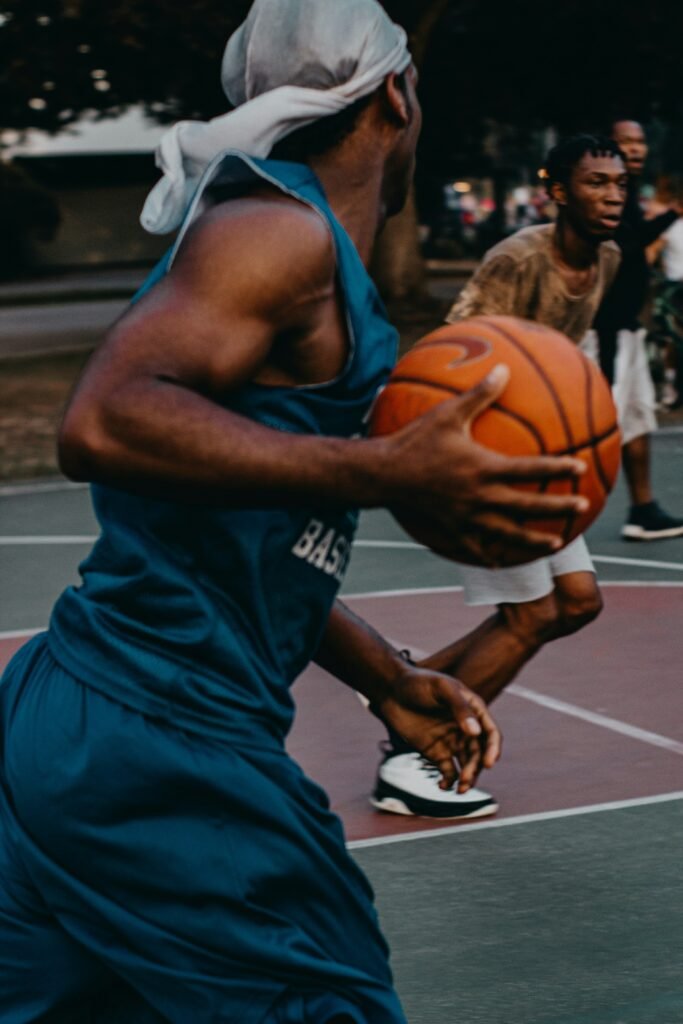
The Mecca, the music, and the memes
Madison Square Garden isn’t just an arena; it’s the Mecca, a character in the story with its own mythology. Playing there links basketball to a wider cultural web: hip‑hop, fashion, celebrity, and the long history of New York as a global stage for performance.
A single viral chant can become the soundtrack of an entire playoff run, echoing from subway platforms to TikTok edits to late‑night talk shows. Chants, memes, and fan‑made slogans evolve into cultural artifacts that travel far beyond hardcore basketball circles — the same way a catchphrase, shot, or theme song from a film can become part of everyday language.
“In a world dominated by short attention spans, sports may be one of the last shared-interest communities we come back to again and again.”[thestrick]
For creators, the takeaway is clear: build recognizable rituals and sounds around your work — taglines, visual motifs, recurring formats — so audiences can remix and re‑echo them across platforms the way Knicks fans do with chants and clips.
Turning emotion into economy
This cultural movement isn’t abstract; it translates into real economic power. As the Knicks’ fortunes surged, so did ticket demand, street parties, collabs, and content volume — with brands racing to attach themselves to the energy and visibility of the Garden.
Fashion and beauty outlets are now covering Knicks‑inspired nails and street style as a way to tap into the moment, showing that blue and orange have become fashion signals, not just team colors. Media and newsletters are dissecting Knicks fandom as a metaphor for community, politics, and identity, which means the team has crossed into the realm of ideas, not just sports.
For Bolanle Media, that’s the model: when you build real emotional stakes and recognizable culture around your stories, you unlock multiple revenue lanes — screenings, merch, live events, branded content, and partnerships that want to sit next to that energy.
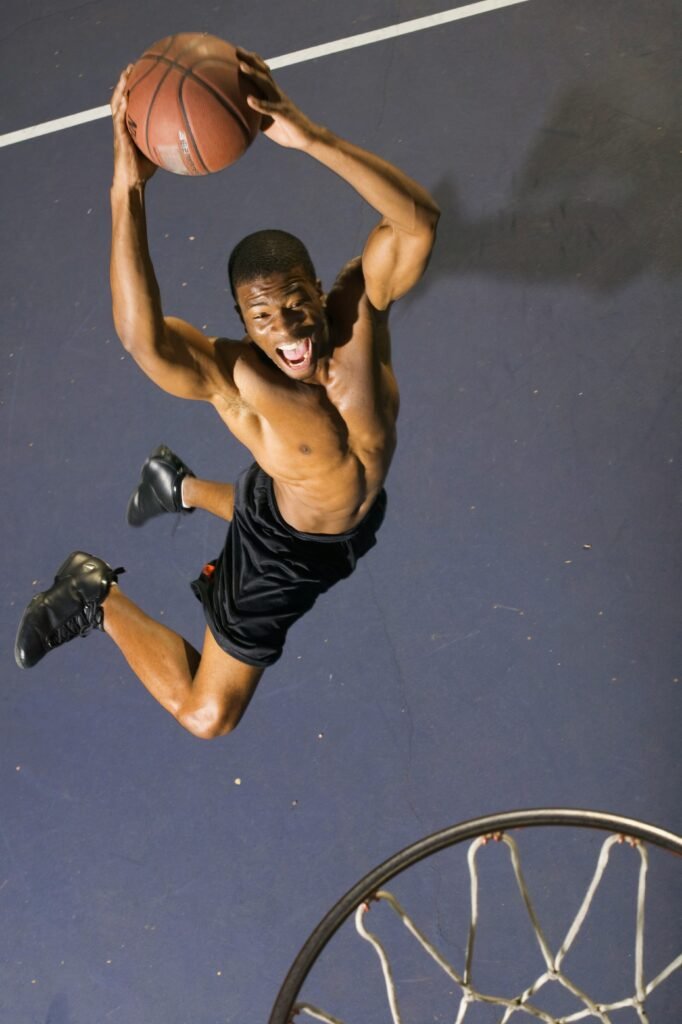
What filmmakers and Bolanle Media can learn
When you zoom out, the Knicks’ turn into a cultural movement rests on a few core principles that map directly onto film and media:
- Root the story in a place and people. The Knicks work because they are unapologetically New York; your projects can lean just as hard into African, diasporic, Houston, and global‑Black identities, instead of smoothing them out.
- Treat each season like a narrative arc. Festivals, slates, and talent rosters should feel like evolving chapters, not random one‑offs — with returning faces, ongoing tensions, and long‑term payoffs.
- Elevate your “arena.” Whether it’s a theater, a pop‑up venue, or a digital platform, make it feel like your own Mecca — visually distinct, ritualized, and instantly recognizable in photos and clips.
- Invest in fandom, not just views. Design spaces (online and offline) where your audience can argue, emote, and see themselves as insiders — Discords, live talkbacks, watch parties, and social formats that keep the story alive. “The Knicks are one of the signature franchises in the NBA, regardless of their on‑court success, because they play in New York City in the legendary Madison Square Garden.”–centernyc
In other words, the Knicks didn’t become a cultural movement by accident — they did it by sitting at the intersection of sport, story, and city, and letting fans co‑author the narrative every step of the way. If Bolanle Media leans into that same triangle — story, space, and community — your films, festivals, and talent can move from “content” to culture just as powerfully.

Jay-Z Locked In Tyla. The Industry Is Shaking.

Stats Don’t Tell It All: Adam Drexler Talks Hoops, Hustle, and His Global Pro Career at the Globall Facility

What Movies Are Really Saying About Racism in 2026


 Entertainment3 weeks ago
STREAMING PREMIERE · JUNE 13, 2026
- News3 weeks ago
From Togo to Texas: Elomé Akpagnonite on African Royalty, Pageant Secrets, and Building a Legacy Through Film
- News3 weeks ago
DJ Tunez Is Coming to Houston: AfriqueFest World Cup Takes Over NOTO
- Advice4 weeks ago
Why Your Child Is Not Broken — They Just Need to Feel Safe First
- News3 weeks ago
How Markiplier Made $50M Without a Distributor
- Entertainment3 weeks ago
DJ Shinski Brings AfriqueFest To Life
- News2 weeks ago
How the New York Knicks Turned a Basketball Team into a Cultural Movement
- News2 weeks ago
Stats Don’t Tell It All: Adam Drexler Talks Hoops, Hustle, and His Global Pro Career at the Globall Facility