Entertainment
90 Day Fiance Season 10 Cast: Gino and Jasmine Return, Plus Six New Couples! on September 13, 2023 at 12:49 am The Hollywood Gossip

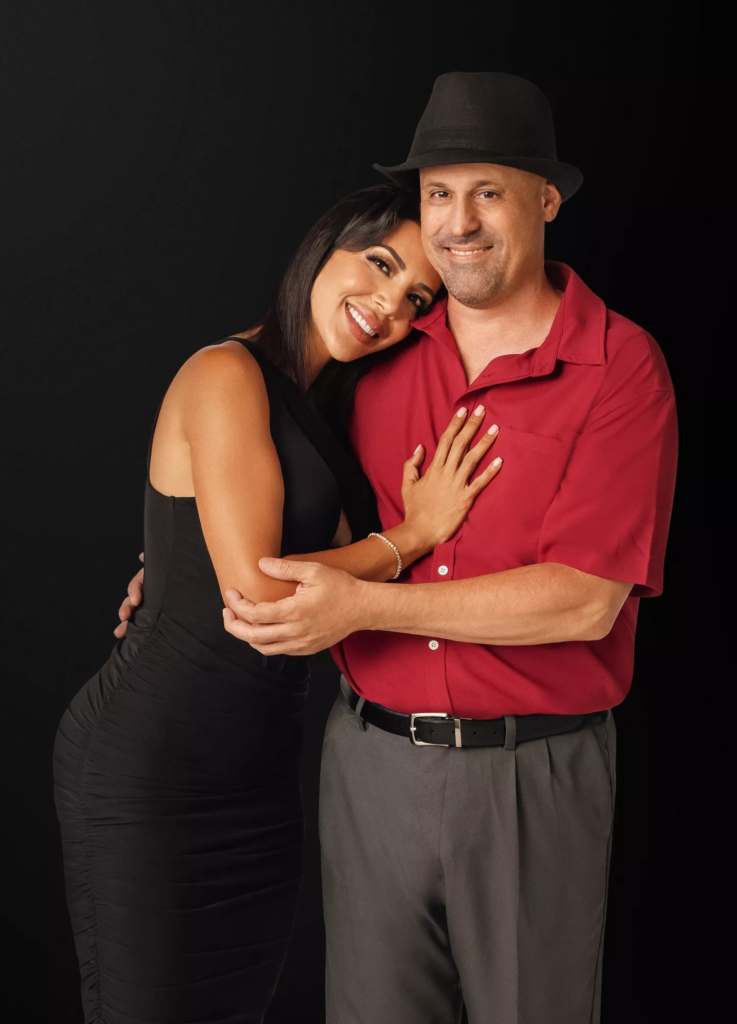
When we last saw Gino Palazzolo and Jasmine Pineda on 90 Day Fiance: Before The 90 Days, they had just reconciled.
Previews teased that something would go very wrong with their K-1 visa process, though.
Well, spoilers abound: Gino and Jasmine are joining 90 Day Fiance‘s landmark 10th Season.
Don’t worry, they’re not alone. Six brand new couples are joining the franchise for Season 10.
Somehow, Gino Palazzolo and Jasmine Pineda returned for 90 Day Fiance Season 10. This is their official TLC promo photo. (TLC)
Gino, Age 52, and Jasmine, Age 36
Interestingly, the official TLC blurbs about these two all-too-familiar chuckleheads tells us the least about them.
We know that Jasmine’s joining Gino in Michigan. Which means that the promo’s teaser of Jasmine melting down after her visa interview may have been a false alarm. (She did once cry and scream over wall paint of a house she’s never visited)
It looks like we’ll be hearing more about their sex life and seeing how Gino’s family reacts to Jasmine in person. She already has adversarial feelings towards them, so that will be fun.
Ashley and Manuel met all the way back in 2010. They reunited after so many years apart on 90 Day Fiance Season 10. (TLC)
Manuel, Age 34, and Ashley, Age 31
Ashley and Manuel first met a New Year’s Eve party in Ecuador back in 2010. Unfortunately, life circumstances separated them … but not forever.
Now, they have reconnected. After all of these years, he’s moving to America to be with Ashley.
But TLC teases that the two may have changed more over time than they realize. They might be less compatible now than they once were.
Clayton and Anali will brings a new twist to an otherwise familiar dynamic on 90 Day Fiance Season 10. (TLC)
Clayton, Age 29, and Anali, Age 26
Anali is moving all of the way from Peru to Kentucky to be with Clayton.
This is going to be yet another language barrier couple. Those can be very endearing (David and Sheila) or extremely frustrating when it appears that neither party has even tried to improve communication. Which are these two?
What’s most interesting (to me, personally) is that they’ll be reversing a familiar dynamic. Multiple times, we’ve seen Americans move abroad only to express shock at how pathologically close their in-laws are. Well, Clayton lives with his mom … and has no plans to move.
Even though Nick left the Outback to pursue his 90 Day Fiance love journey with American Devin after meeting on Tinder, Season 10 would throw a few hurdles in their way. (TLC)
Devin, Age 23, and Nick, Age 30
A chance meeting on Tinder led Devin and Nick to meet. After three weeks together, they became engaged.
Obviously, they are still getting to know each other. Their K-1 journey will, we’re sure, be full of surprises.
Also? Nick is going to learn a lot about Devin’s family. Apparently, they have a lot of “opinions” that might make this love story more challenging than he’d imagined.
Seventeen years after meeting on a Moldovan dating site, Justin and Nikki are trying again. On 90 Day Fiance Season 10, he’s moving to be with her in America. (TLC)
Nikki, Age 47, and Justin, Age 36
Years ago, Nikki and Justin first connected on a dating site. Justin is Moldovan, and Nikki is American.
Nikki is also transgender. Heartbreakingly, Justin ended up rejecting her. As rampant as transphobia is now, a lot of people were even more ignorant about the trans community in the 2000s.
However, Justin has learned a lot and matured. They have reconnected. And the plan is for Justin to move to the US. Can their fresh start really be that, given their painful history?
Sophie committed to Robert and he to her. The plan is that she’ll move to live with him in the US. But their 90 Day Fiance Season 10 journey involves her learning what his life is really like. (TLC)
Robert, Age 32, and Sophie, Age 23
Contributing to this season’s uneasy abundance of under-25s (it’s not the age gap that’s a problem; they’re just too young to marry under normal circumstances), Robert and Sophie met online.
It sounds like UK-based Sophie has an overly glamorous impression of what life will be like in America.
When she comes to the United States and learns more about Robert’s family’s means and lifestyle, will she fall out of love with him? (We’re getting Jibri and Miona vibes … as a couple, not from them as individuals)
90 Day Fiance Season 10 couple Sam and Citra faced extra hurdles. Additionally, their photo that came with the cast announcement did not match the others. Interesting! (TLC)
Sam, Age 30, and Citra, Age 26
Citra is moving from Indonesia to America to be with Sam. But their K-1 journey won’t have the full 90 days to play out.
It turns out that Citra’s father is also traveling. And Sam will have to work overtime to gain his approval.
Sam has two weeks to get the stamp of approval from Citra’s dad. Oh, and apparently Sam has some sort of “past” that could throw a wrench into the works. (Also, seriously, why is their promo pic different?)
90 Day Fiance Season 10 premieres on October 8. We’re sure that it’s going to be a very entertaining mess.
90 Day Fiance Season 10 Cast: Gino and Jasmine Return, Plus Six New Couples! was originally published on The Hollywood Gossip.
When we last saw Gino Palazzolo and Jasmine Pineda on 90 Day Fiance: Before The 90 Days, they had just …
90 Day Fiance Season 10 Cast: Gino and Jasmine Return, Plus Six New Couples! was originally published on The Hollywood Gossip.
The Hollywood Gossip Read More



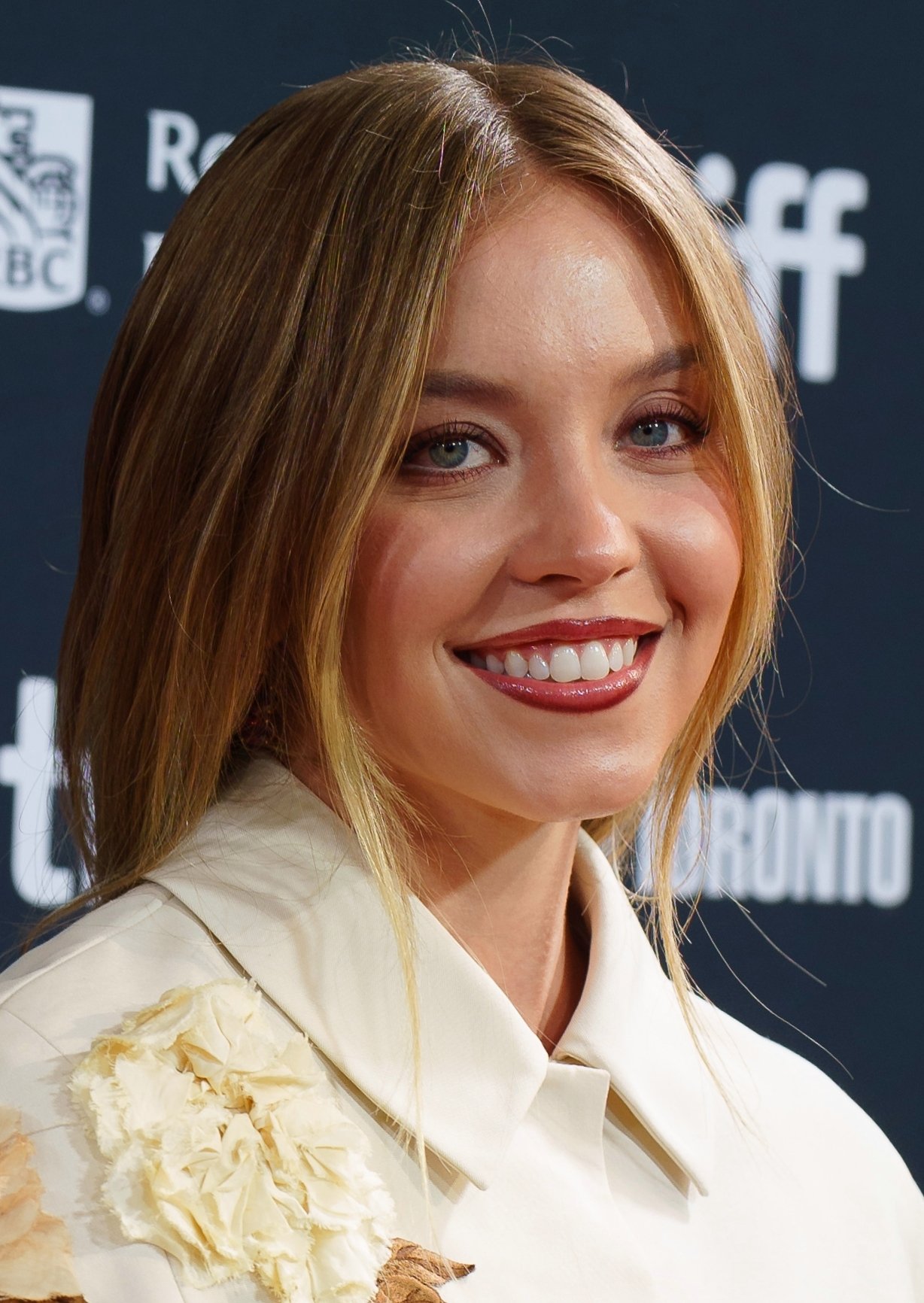
The question Sydney Sweeney’s career forces every serious artist to ask themselves.
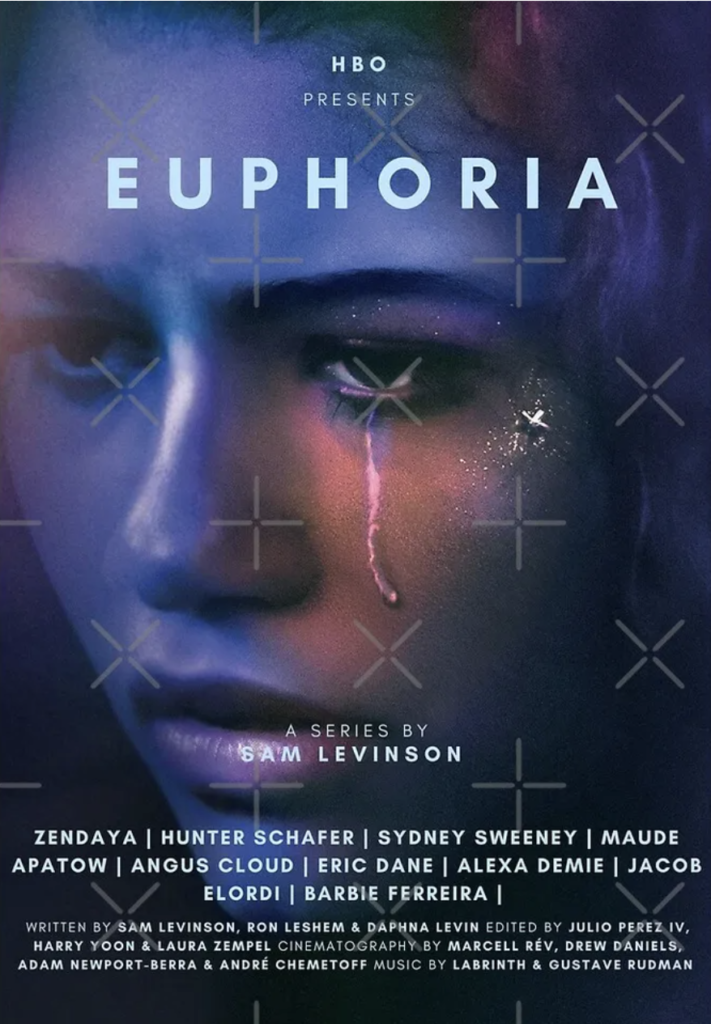
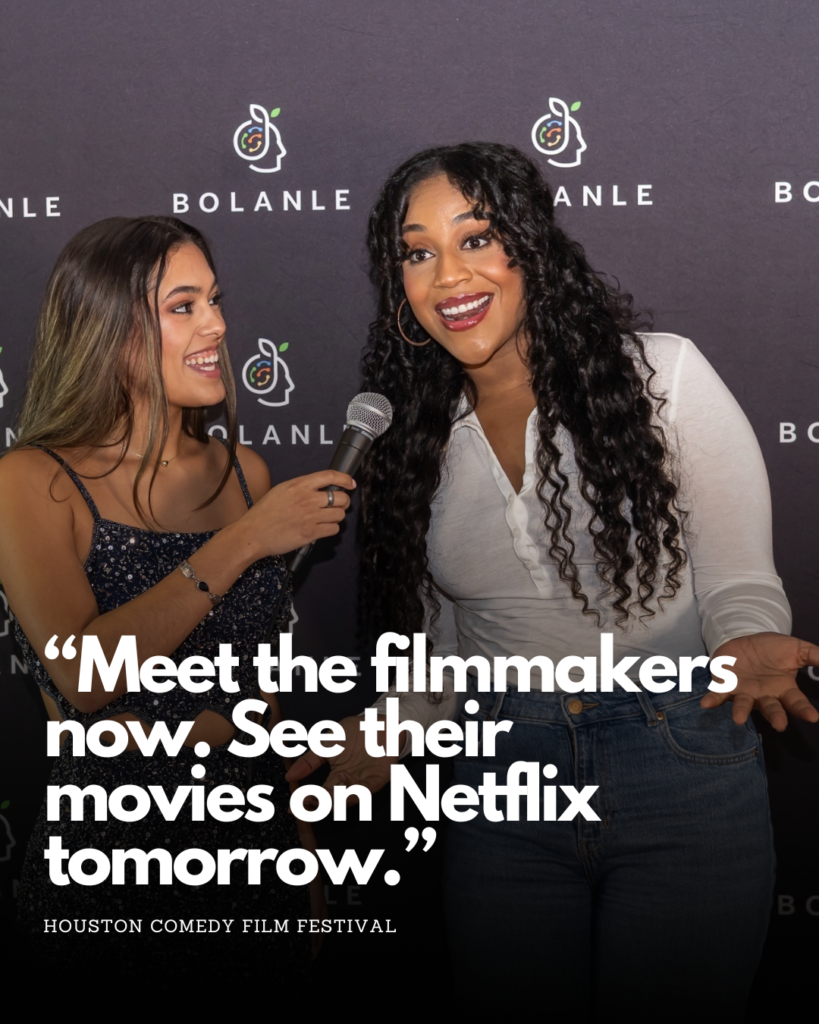
Most people say they want to be an actor. But wanting the life and being willing to do what the life requires are two entirely different things. Sydney Sweeney’s performance as Cassie Howard in Euphoria is one of the clearest examples in recent television of what it actually looks like when an artist refuses to protect themselves from the story they are telling.
The Performance That Started a Conversation
Cassie Howard is not a comfortable character to watch. She is messy, desperate, and heartbreakingly human in ways that most scripts would have softened or simplified. Sydney Sweeney did not soften her. She played every scene at full exposure — the breakdowns, the humiliation, the moments where Cassie is both completely wrong and completely understandable at the same time.
What made the performance remarkable was not the difficulty of the scenes. It was the consistency of her commitment to them. Night after night on set, take after take, she showed up and gave the camera something real. That is not a small thing. That is the kind of discipline that separates working actors from generational ones.
What the Industry Does Not Tell You
The entertainment industry sells you a version of success built around talent, timing, and luck. And while all three matter, none of them are the real differentiator in a room full of equally talented people. The real differentiator is willingness — the willingness to be honest, to be vulnerable, and to let the work require something personal from you.
Most actors hit a wall at some point in their career where a role demands more than they have publicly shown before. The ones who say yes to that moment, who trust the material and the director enough to go somewhere uncomfortable, are the ones audiences remember long after the credits roll.
Sydney Sweeney said yes repeatedly. And the industry took notice.
The Question Worth Asking Yourself
Before you answer, really think about it. There is a moment in every serious audition room where someone might ask you to go further than you are comfortable with — to access something real, to stop performing and start revealing. In that moment, you have to decide what your dream is actually worth to you and, more importantly, what parts of yourself you are not willing to trade for it.
That is the question Euphoria quietly raises for anyone watching with ambition in their chest. Not “could I do that,” but “should I ever feel pressured to.” There is a difference between an artist who chooses vulnerability as a creative tool and one who is pressured into exposure they never agreed to. Knowing that difference is not a weakness. It is the most important thing a young actor can understand before they walk into a room that will test it.
Because the only role that truly costs too much is the one that asks you to abandon who you are to play it.
What You Can Take From This
Whether you are an actor, a filmmaker, a content creator, or someone simply building something from scratch, the principle is the same. The work that connects with people is almost always the work that cost the creator something real. Audiences can feel the difference between performance and truth. They always could.
Sydney Sweeney did not become one of the most talked-about actresses of her generation because she got lucky. She got there because she was willing to be completely, uncomfortably human in front of a camera — and because she knew exactly who she was before she let the role take over.
That combination — full commitment and a clear sense of self — is rarer than talent. And it is the thing worth chasing.
Written for Bolanle Media | Entertainment. Culture. Conversation.
And honestly? That might be exactly what he wanted.
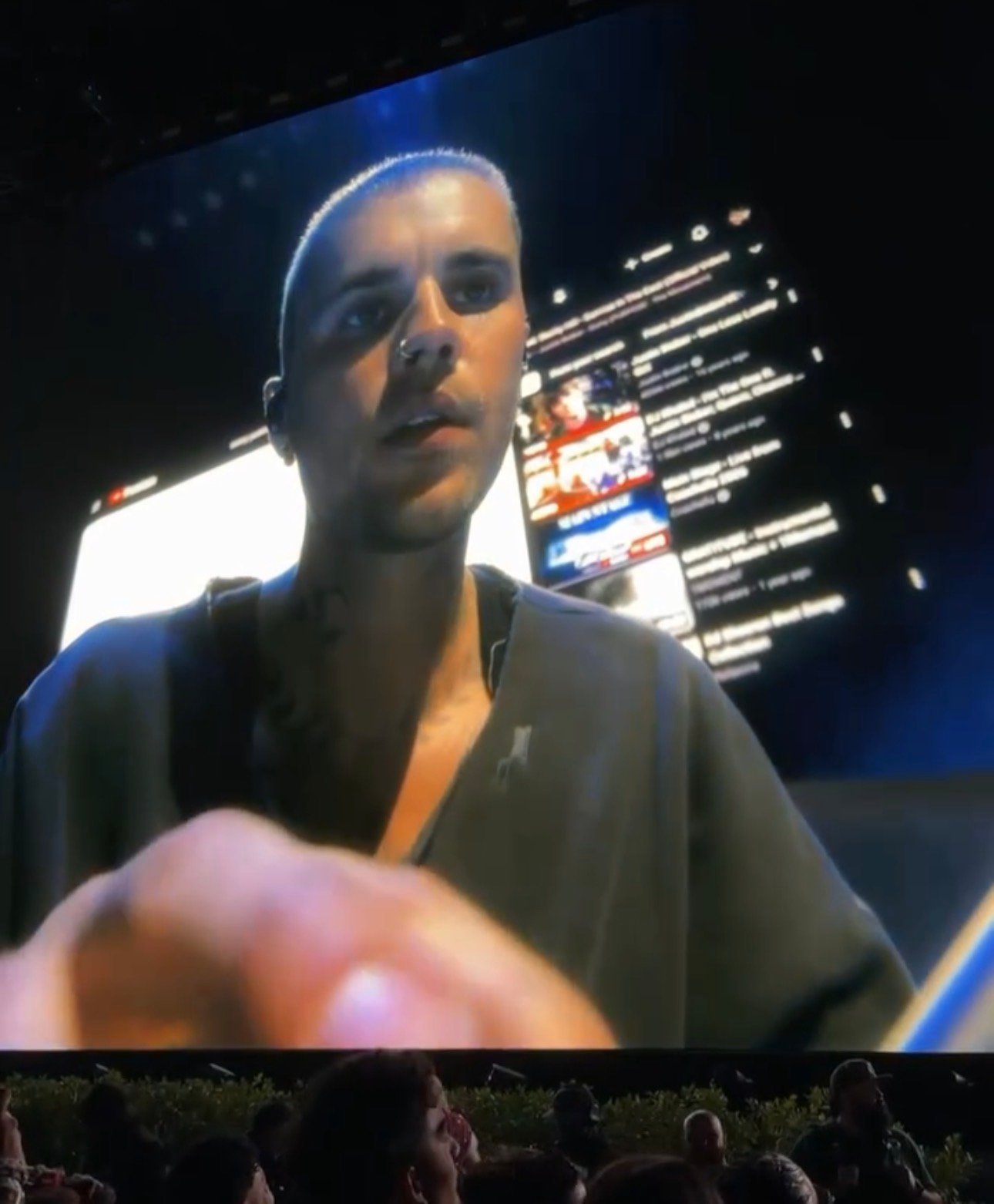
Justin Bieber stepped onto the Coachella stage Saturday night as the highest-paid headliner in the festival’s history — reportedly pocketing $10 million — and proceeded to sit down at a laptop and play YouTube videos.
The internet, predictably, lost its mind.
What Actually Happened
This was Bieber’s first major U.S. performance since his Justice era — a long-awaited comeback after battling Ramsay Hunt syndrome in 2022, which caused partial facial paralysis, plus years of mental health struggles and a very public disappearing act from the industry.
The stage setup was minimal: a fluid cocoon-like structure, no backup dancers, no elaborate lighting rigs. Just Bieber, a stool, and a laptop.
He opened with tracks from his 2025 albums Swag and Swag II, then invited the crowd on a journey — “How far back do you go?”
What followed was a nostalgic scroll through his entire career: old YouTube covers before he was famous, classic hits “Baby“ and “Never Say Never“ playing on screen while he sang alongside his younger self. Guests including The Kid Laroi, Wizkid, and Tems joined him throughout the night.
He even played his viral “Standing on Business” paparazzi rant and re-enacted it live, hoodie on, completely unbothered.
The Moment Nobody Predicted
But here’s what the critics burying him in their hot takes chose not to lead with: Bieber closed his set with worship music.
In the middle of Coachella — one of the most secular stages on the planet — he performed songs rooted in his Christian faith, openly crediting Jesus as the reason he was standing on that stage at all.
It wasn’t subtle. It wasn’t a quick prayer and a thank-you. He leaned into it fully, in front of a crowd of 125,000 people who came expecting pop bangers and got a testimony instead.
For fans who have followed his faith journey — his deep involvement with Hillsong and later Churchome, his baptism in 2014, and his very public declaration that Jesus saved his life during his darkest years — the moment landed like a full-circle miracle.
Why People Are Mad
Critics have been brutal.
Zara Larsson summed up the skeptics perfectly, posting on TikTok: “It’s giving let’s smoke and watch YouTube“ — and that clip went just as viral as the performance itself.
One fan on X wrote: “I’m crying, this might actually be the worst performance I’ve ever seen. He’s just playing videos from YouTube… zero effort, pure laziness.”
The comparison to Sabrina Carpenter’s Friday headlining set — elaborate staging, multiple costume changes, celebrity cameos — only made Bieber’s stripped-down show look more controversial.
And the $10 million figure kept coming up. People felt cheated.
Why His Fans Think Everyone’s Missing the Point
Here’s where it gets interesting.
One commenter on X put it best: “He did not force a high-production machine that could burn him out again. Instead, he sat with his past, scrolling through old YouTube videos, duetting with his younger self, and mixing nostalgia with new chapters.”
As the set progressed, Bieber visibly opened up. He removed his sunglasses. He took off his hoodie. He smiled, made jokes about falling through a stage as a teenager.
One Instagram account with millions of followers posted: “This Justin Bieber performance healed something in me.”
That healing language is intentional for Bieber — it mirrors how he talks about his faith. In interviews, he has repeatedly said Jesus didn’t just save his career; He saved his life. The worship set at Coachella wasn’t a gimmick. It was a confession.
The Bigger Picture
Love it or hate it, Bieber’s Coachella set is the most talked-about moment from Weekend One — more than Karol G making history as the first Latina to headline the festival, more than Sabrina Carpenter’s spectacle.
That’s not an accident.
In an era where every headliner tries to out-produce the last one, Bieber walked out with a laptop, a stool, and his faith — and made it personal. For millions of fans watching, the worship songs weren’t filler. They were the point.
Whether you call it lazy or legendary, one thing is clear: Justin Bieber isn’t performing for the critics anymore. He’s performing for an audience of One — and the rest of us just happened to be there.
Drop your take in the comments — was Bieber’s Coachella set lazy, legendary, or something even bigger?
People don’t watch films the way they used to—and if you’re still cutting everything for the big screen first, you’re losing the audience that lives in your pocket.
Every swipe on TikTok is a tiny festival: new voices, wild visuals, heartbreak, comedy, and chaos, all judged in under three seconds. In that world, vertical films aren’t a gimmick. They’re the new front door to your work, your brand, and your career.
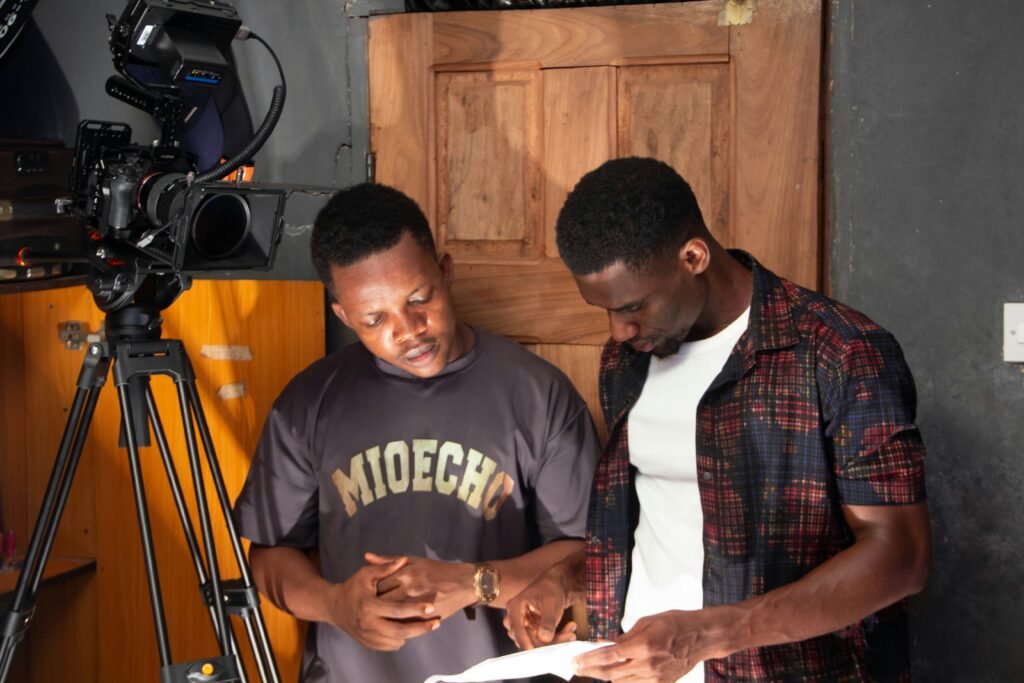
The movie theater is now in your hand
Think about where you’ve discovered your favorite clips lately: your phone, in bed, in an Uber, between texts. The “cinema” experience has shrunk into a glowing rectangle we hold inches from our face. That’s intimate. That’s personal. That’s power.
Vertical video fills that space completely. No black bars. No distractions. Just one story, one face, one moment staring back at you. It feels less like “I’m watching a movie” and more like “this is happening to me.” For storytellers, that’s gold.
The old rules still matter—but they bend
Film school taught you:
- Compose for the wide frame.
- Let the world breathe at the edges.
- Save the close-up for maximum impact.
Vertical filmmaking says: bring all of that craft… and then flip it. You still need composition, rhythm, framing, and sound. But now:
- The close-up is the default, not the climax.
- Depth replaces width—what’s in front and behind matters more than left and right.
- Micro-scenes—60 seconds or less—must feel like complete emotional beats.
It’s not “less cinematic.” It’s a different kind of cinematic—one that lives where people already are instead of asking them to come to you.
Your characters can live beyond the film
Here’s the secret no one tells you: audiences don’t just fall in love with stories; they fall in love with people. Vertical video lets your characters exist outside the runtime.
Imagine this:
- The day your trailer drops, your lead character is already a recurring presence on people’s For You Pages.
- There are 10 short vertical scenes—arguments, confessions, jokes—that never made the final cut but live as their own mini-episodes.
- Fans aren’t asking “What is this movie?” They’re asking, “When do I get more of her?”
When someone feels like they “know” a character from their feed, buying a ticket or renting your film stops feeling like a risk. It feels like catching up with a friend.

Behind the scenes is no longer optional
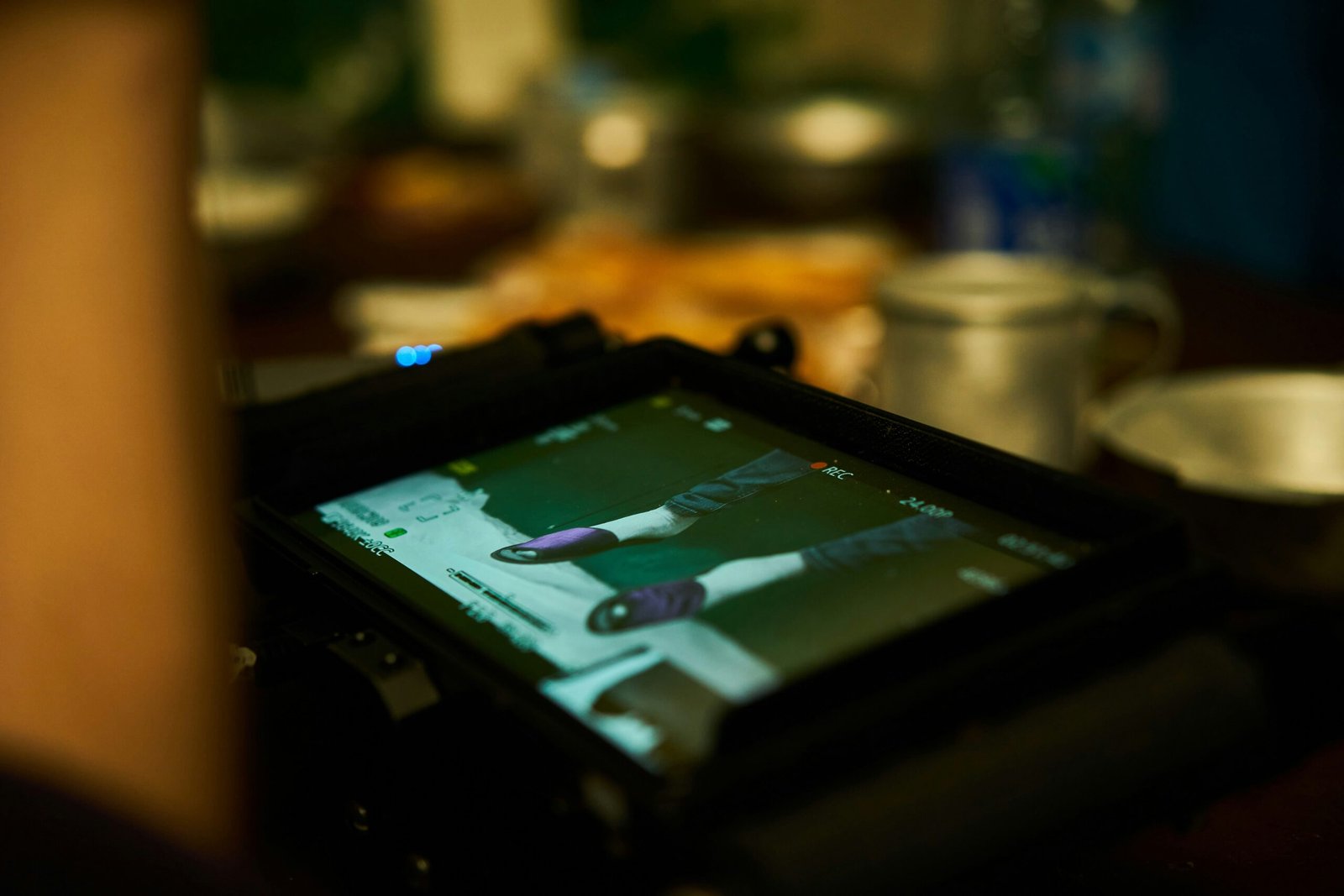
Vertical films thrive on honesty. Shaky behind-the-scenes clips. Laughing fits between takes. The director’s 2 a.m. rant about a shot that won’t work. The makeup artist fixing tears after a heavy scene. That’s the texture that makes people care about the final product.
You don’t have to be perfect. You have to be present.
Ideas you can start capturing tomorrow:
- “What we can’t afford, so we’re faking it.”
- “The shot we were scared to try.”
- “One thing we argued about for three days.”
When you show the process, you’re not just selling a film—you’re inviting people into a journey.
Think in episodes, not posts
Most people treat vertical video like a one-off blast: post, pray, forget. Instead, think like a showrunner.
Ask yourself:
- If my project were a vertical series, what’s Episode 1? What’s the hook?
- How can I end each clip with a question, a twist, or a feeling that makes people need the next part?
- Can I tell one complete emotional story across 10 vertical videos?
Suddenly, your feed isn’t random. It’s a season. People don’t just “like” a video—they “follow” to see what happens next.
The attention is real. The opportunity is bigger.
We’re in a rare moment where a micro-drama shot on your phone can sit in the same feed as a studio campaign and still win. A fearless 45-second monologue in a bathroom. A quiet scene of someone deleting a text. A single, wordless push-in on a face that tells the whole story.
Vertical films give you:
- Low cost, high experimentation.
- Immediate feedback from real viewers.
- Proof that your story, your voice, your world can hold attention.
You don’t have to wait for permission, a greenlight, or a perfect budget. You can start where you are, with what you have, and let the audience tell you what’s working.
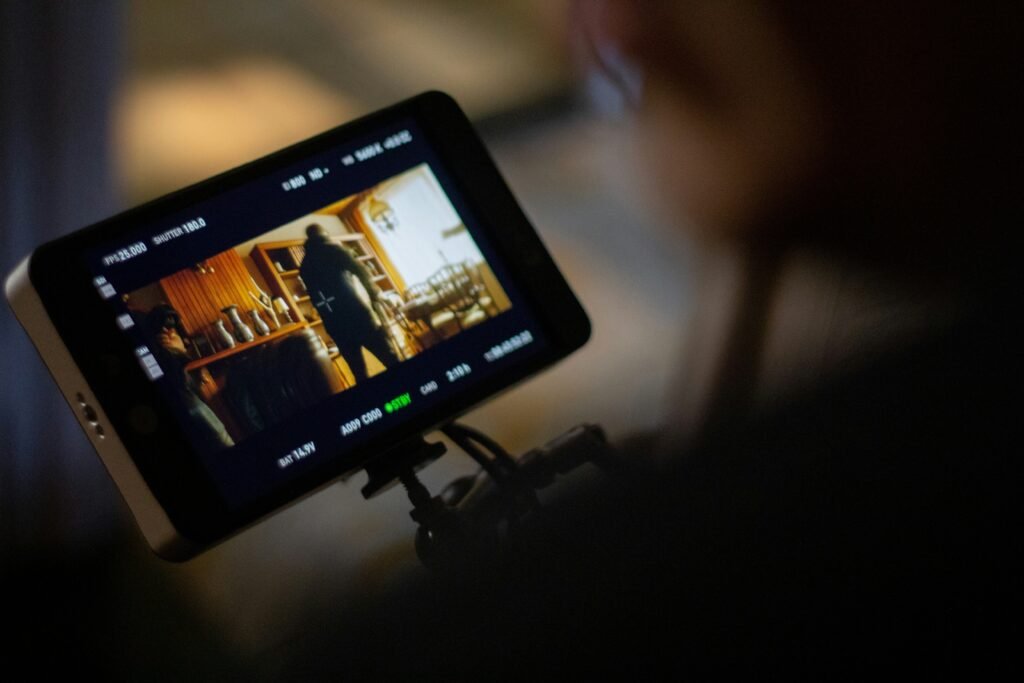
So, are you ready?
Some filmmakers will roll their eyes and call vertical a phase. They’ll keep making beautiful work that no one sees until a festival says it exists. Others will treat every swipe, every scroll, and every tiny screen as a chance to connect, teach, provoke, and move people.
Those are the filmmakers whose names we’ll be hearing in five years.
The question isn’t whether vertical films are “real cinema.” The question is: when the next person scrolls past your work, do they feel nothing—or do they stop, stare, and think, “I need more of this”?

ON MAY 8, 2026, YOUR INSTAGRAM DMS STOP BEING TRULY PRIVATE

How Far Would You Go to Book Your Dream Role?

She Was Supposed to Come Home: The Life, Death, and Dehumanization of Ashlee Jenae


 News3 weeks ago
The Timothée Chalamet Guide to Ruining Your Image
- Entertainment3 weeks ago
The machine isn’t coming. It’s aleady the room.
- Entertainment2 weeks ago
What Kanye’s ‘Father’ Says About Power, Faith, and Control
- News4 weeks ago
How She Earns $40M+ In 2026
- News4 weeks ago
Did OnlyFans Save Creators—or Trap Them?
- News1 week ago
Why Your Indie Film Disappears Online
- News2 weeks ago
The Franchise Is Over. Here’s Who’s Winning Now.
- News2 weeks ago
Why Most Indie Films Fail (And How to Avoid It)