Film Industry
10 Ways Filmmakers Are Building Careers Without Waiting for Distributors

The old indie playbook is officially dead.
For decades, filmmakers followed the same script: make your film, submit to festivals, wait for a distributor to pick it up, and hope for a theatrical release that leads to streaming. But in 2026, that model barely exists.
Investment from distributors in independent film dropped 31.6% last year, and indie films now represent just 1.4% of theatrical revenues in major markets. Meanwhile, 70% of independent projects never secure a traditional distribution deal at all.
But here’s the part the doom-and-gloom think pieces always miss: filmmakers aren’t waiting around anymore. They’re building new models from scratch—models that let them own their audiences, control their releases, and actually make money. From vertical video and four-walling to merch ecosystems and filmmaker-run distribution companies, independent creators are proving that you don’t need a distributor to build a career. You just need a strategy.
Here are 10 ways filmmakers are taking control in 2026—and what you can learn from them.
1. Self-Distribution: You Are the Distributor Now
Self-distribution used to be what filmmakers did when no one else wanted their film. In 2026, it’s a core strategy—and often the smartest one.
Canadian filmmaker Sasha Leigh Henry made Dinner With Friends on a $100,000 budget and is handling the entire release herself: digital rentals, social media marketing, and event-style screenings with cast members in multiple cities. Her reasoning? “I create without the conventional players because, in my experience with them, they failed to connect me with a new audience.”
She’s not alone.
The shift toward self-distribution is being driven by simple math: distributors are pickier, advances are smaller, and the traditional model often leaves filmmakers with nothing after expenses. By going direct, filmmakers keep control—and keep the revenue.
What it takes: A clear release plan, a marketing budget, and the willingness to treat your film like a business asset. Platforms like Vimeo On Demand, Gumroad, and your own website let you sell or rent directly to fans, with higher revenue retention than traditional deals.
2. Four-Walling and Theatrical Touring: Own the Room
Four-walling—where you rent a theater and become your own distributor—has been around for decades, but filmmakers are flipping the model in 2026. Instead of using it to manufacture legitimacy, they’re using it to build community, generate buzz, and create real revenue.
Sook-Yin Lee’s Paying For It had a staggered release across 48 Canadian cities, partnering with independent cinemas, community organizations, and local media. The team hosted Q&As with cast and crew at nearly every stop, turning each screening into an event. Lee says the tour “attracted more viewers than my previous films, which were distributed by major industry players to empty chain theaters.”
The key to successful four-walling? Flexibility. Single weeknight screenings, targeted geographic regions, and partnerships with local businesses or advocacy groups all increase your chances of filling seats. And don’t forget: you can sell merch, build your email list, and create content from every stop on the tour.
What it takes: Upfront capital to rent theaters, a target geography that matches your film’s audience, and the hustle to promote each screening like it’s opening night.
3. Vertical Video: A Whole New Format
Vertical dramas aren’t a gimmick anymore—they’re a legitimate format with dedicated platforms, investment, and audience demand.
In 2026, vertical video has moved from niche experiments in China to a global ecosystem with its own creative grammar: layered depth, asymmetric compositions, and movement designed for a portrait frame. Social platforms are optimized for vertical content, making discovery and sharing easier than traditional widescreen films. And because vertical video is native to TikTok, Instagram, and emerging SVOD platforms, it’s accessible to audiences who would never sit down to watch a feature film on their laptop.
Vertical storytelling is broadening the definition of independent filmmaking and lowering the barrier to entry for creators who don’t have access to traditional production infrastructure.
What it takes: A willingness to think differently about composition and pacing, and an understanding that vertical isn’t just “a different crop”—it’s a different visual language.
4. Build Your Audience During Production, Not After
This is the shift that separates filmmakers who succeed from filmmakers who struggle: start building your audience before your film is finished.
In 2026, the smartest filmmakers are designing distribution from the script stage, knowing their release path before they shoot a single frame. They’re starting email lists, engaging communities, and creating content during production—not waiting until the premiere to ask people to care.
Filmmaker and educator Noam Kroll built his audience over five years through blogs, social media, and email marketing. Today, his audience funds his projects, spreads the word when he drops a trailer, and purchases his films outright. “Your true fans will support your efforts at fundraising, distribution, and serve as a powerful source of motivation,” he says. “As a filmmaker, they are your greatest asset.”
The key: your email list is your home base, not Instagram or TikTok. Social media is the net you cast to find new fans, but your email list is where you actually communicate, sell, and build long-term relationships.
What it takes: Consistency, a content strategy that provides value (not just “please support my film”), and patience. It takes time to build a real audience, but once you have it, you own it forever.
5. The Ecosystem Strategy: Merch, Events, and Content
Independent films don’t make money from one revenue stream anymore—they make money from an ecosystem.
Filmmaker and YouTube creator who released 31 Candles went from a limited run to nationwide AMC theaters by thinking beyond box office. He built an ecosystem: merch, behind-the-scenes content, events, and a documented process that kept fans engaged long after the premiere. “The way that independent films will make money, I believe, is from merch, brand opportunities around the movie, licensing, and when you sell the movie online. It’s from everything. It’s not from one thing.”
And audiences are responding. As Neon’s Chief Marketing Officer Christian Parkes puts it: “People, and particularly younger people, want to be a part of something. Wearing a shirt for a movie is no different from wearing a shirt for the band you just went to see. There’s a cachet to it. There’s a value to it. It’s a sign of who I am.”
Indie film merch has become a hot commodity in 2026—not just as additional revenue, but as a way to keep fans engaged with your film long after it leaves theaters.
What it takes: A brand mindset from day one. Merch, events, and content should be baked into your production plan, not afterthoughts.
6. Eventizing Your Release: Make Every Screening an Experience
In 2026, filmmakers are treating each screening like a live event—and it’s working.
One Toronto screening of Paying For It partnered with the sex-worker advocacy organization Maggie’s and featured a Q&A with community activists. The goal wasn’t just to fill seats—it was to create an experience that felt meaningful, gave audiences a reason to show up, and reached demographics beyond the typical festival crowd.
Eventizing works because it turns passive viewing into active participation. Show up to the theater. Bring your cast. Host a Q&A. Partner with a local organization. Sell merch in the lobby. Document the whole thing for social media. Every screening becomes content, community, and connection.
What it takes: Hustle, local partnerships, and the willingness to show up in person. You can’t eventize from your couch.
7. Community-Centered Distribution: Serve Your Audience First
Inuk director Zacharias Kunuk has been self-distributing his films for years through his company, Isuma Productions—not because he couldn’t find a distributor, but because traditional distributors wanted him to overdub his films in English.
“I want our language to be heard in our beautiful way,” Kunuk says. So he created his own path: screenings in gyms, community centers, and schools across the Arctic, reaching students, elders, and local organizations directly. “If we adhere to the system, we aren’t supposed to show it here,” he explains. “But we love to do these things. It benefits our community.”
Community-centered distribution isn’t about maximizing revenue—it’s about maximizing impact. And in doing so, filmmakers often find more sustainable, loyal audiences than they ever would through traditional channels.
What it takes: Deep knowledge of your audience, a commitment to serving them first, and the infrastructure to organize screenings outside the traditional theatrical system.
8. Filmmaker-Operated Distribution Companies: Build the System You Want
If the traditional distribution system doesn’t work, build a new one.
That’s what Sherry Dias and Jansen did when they founded Big Picture, a filmmaker-operated distribution and marketing company focused on shorter licensing agreements, equitable revenue sharing, and transparency. Instead of running a “distribution factory,” Big Picture works on one project at a time, building releases around community involvement, event-style screenings, and proactive marketing.
Their first project, Scarborough, was showcased at a dozen Cineplex locations and generated over $100,000 in just 10 weeks—making it the highest-grossing homegrown release during that time.
“We’ve observed numerous Canadian films gain significant attention at TIFF and the Canadian Screen Awards, but when they reach theaters, they often play to empty seats,” Dias says. “I refuse to believe that audiences aren’t interested in these films. They simply aren’t being given a fair opportunity.”
What it takes: Industry experience, capital, a network of filmmaker clients, and the conviction that the current system can be improved.
9. Direct-to-Consumer and VOD Platforms: Cut Out the Middleman
Platforms like Vimeo On Demand, Gumroad, iTunes, Amazon, and niche SVOD services let filmmakers sell directly to audiences—no distributor required.
The trade-off? You have to build your audience yourself. But if you’ve already done the work (see #4), DTC and VOD platforms offer higher revenue retention and a direct relationship with your viewers. TVOD (transactional video on demand) lets you keep a bigger slice of each rental or purchase. SVOD licensing (Netflix, Hulu) often comes with upfront fees. AVOD (ad-supported platforms like Tubi) builds revenue over time as your film finds its audience.
And here’s the reality: 70% of indie projects never secure a traditional deal anyway. DTC and VOD give you a path forward even when the gatekeepers say no.
What it takes: A finished film, a marketing plan, and an audience strategy that drives people to the platform where your film lives.
10. YouTube as an Intentional Strategy, Not a Backup Plan
YouTube isn’t just for vlogs and tutorials—it’s a legitimate distribution platform for filmmakers who know how to use it
David F. Sandberg’s two-minute no-budget short Lights Out went viral on YouTube, attracting Hollywood’s attention and leading to four major studio feature films. His career didn’t start at a festival—it started online, where millions of people could watch, share, and talk about his work.
In 2026, serious filmmakers are using YouTube intentionally: as a strategy, not a backup plan. They’re releasing shorts, behind-the-scenes content, and full features, building audiences that follow them from project to project.
Think about how many short films screen at festivals but never have a life beyond a few small in-person engagements. Now contrast that with the reach, longevity, and discoverability of YouTube. If you’re not using it, you’re leaving opportunity on the table.
What it takes: Consistent uploads, an understanding of YouTube SEO and thumbnails, and the willingness to treat the platform as seriously as you’d treat a festival premiere.
The Bottom Line: Two Tracks Are Emerging
The independent film world has split into two tracks in 2026: filmmakers waiting for deals, and filmmakers making their own.
The filmmakers who wait are struggling. The filmmakers who build—who own their audiences, control their releases, and think like entrepreneurs—are winning.
“No audience plan equals no leverage,” says industry strategist Michael Osheku. “2026 will reward filmmakers who build the audience, position the film, and open the right windows.”
Sherry Dias and the team at Big Picture put it even more simply: “The audiences are out there, eager to see your work. They simply aren’t being reached effectively. I truly believe that if you build it, they will come.”
What This Means for Comedy Filmmakers
If you’re a comedy filmmaker, you already have an advantage: comedy travels. It’s shareable, quotable, and built for social media. The ecosystem model (merch, events, content) is a natural fit. Vertical video works for comedy sketches and short-form content. And audiences will show up to laugh together—if you give them a reason to.
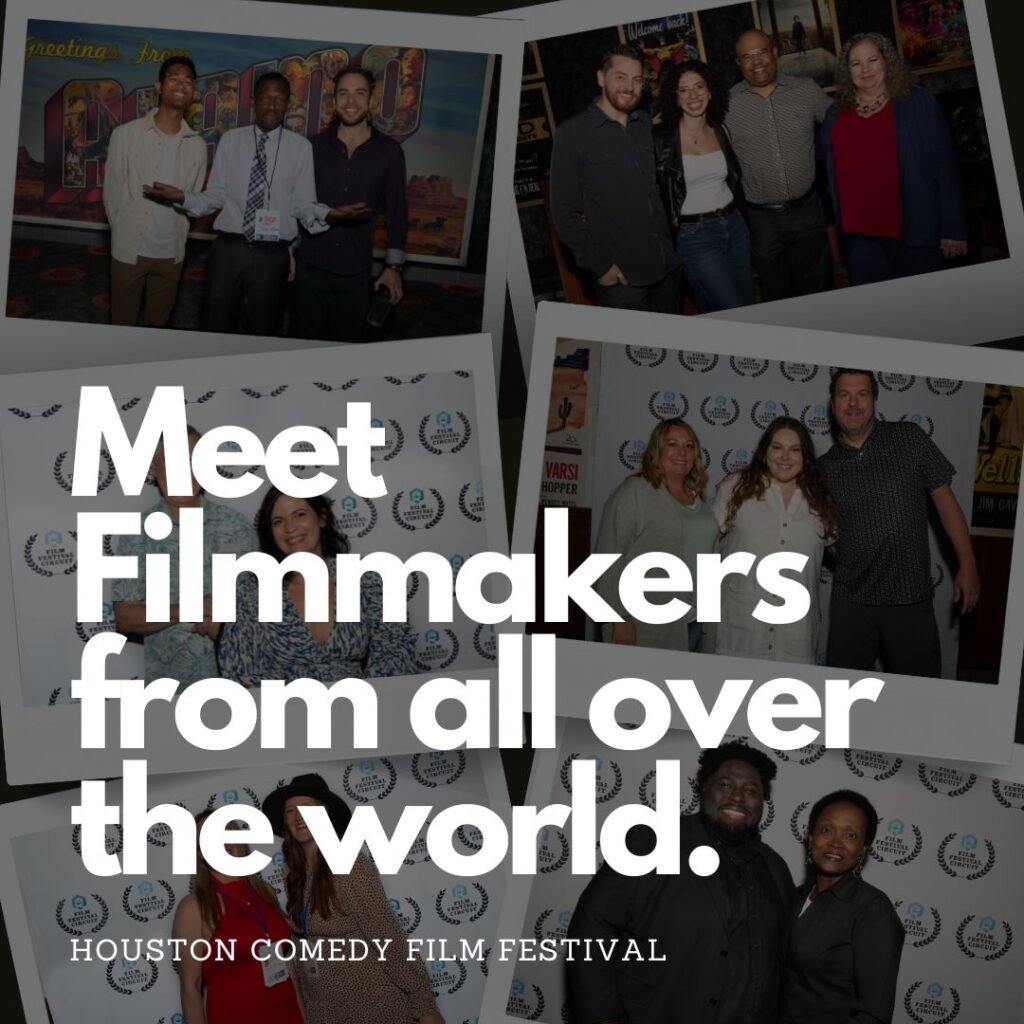
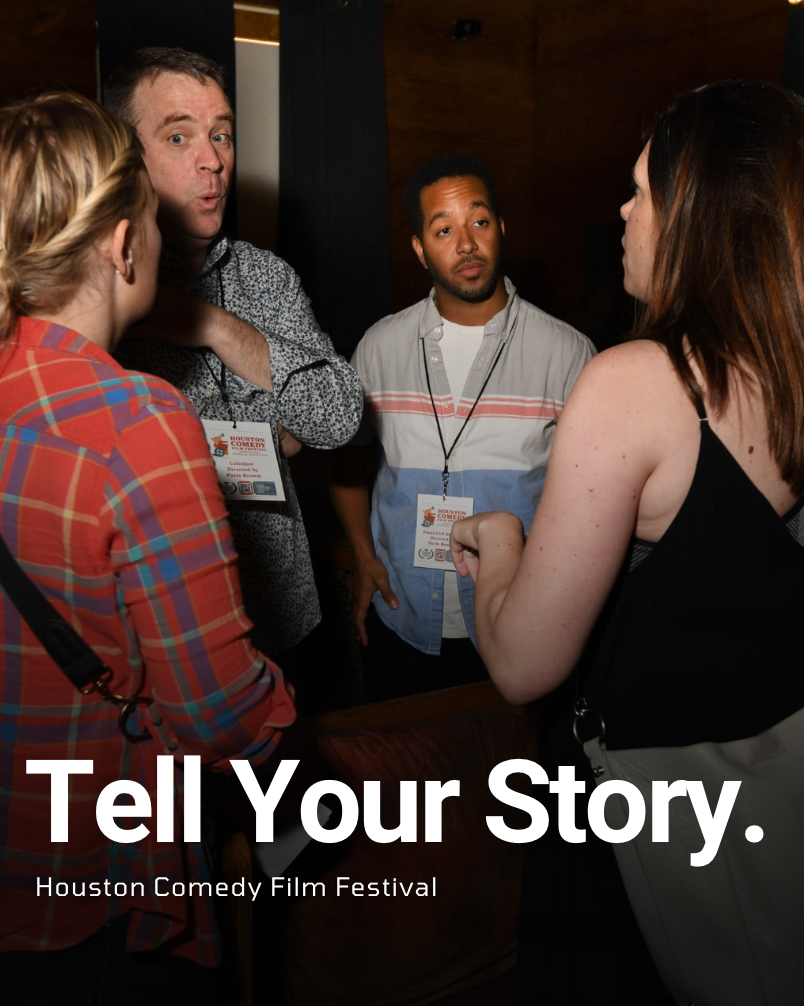
At Houston Comedy Film Festival, we’re building a launchpad for filmmakers who are serious about comedy as a career—not just a hobby. HCFF connects you with producers, industry professionals, and an audience that actually cares about funny films. We offer real feedback, networking that leads to collaborations, and a platform where your work can find the people who will champion it.
Because in 2026, the filmmakers who win aren’t the ones waiting for permission. They’re the ones building their own path—and laughing all the way to the bank.



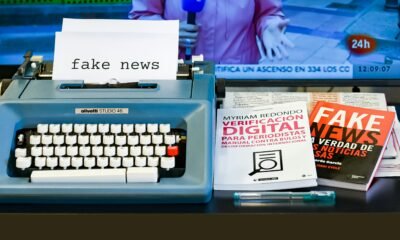





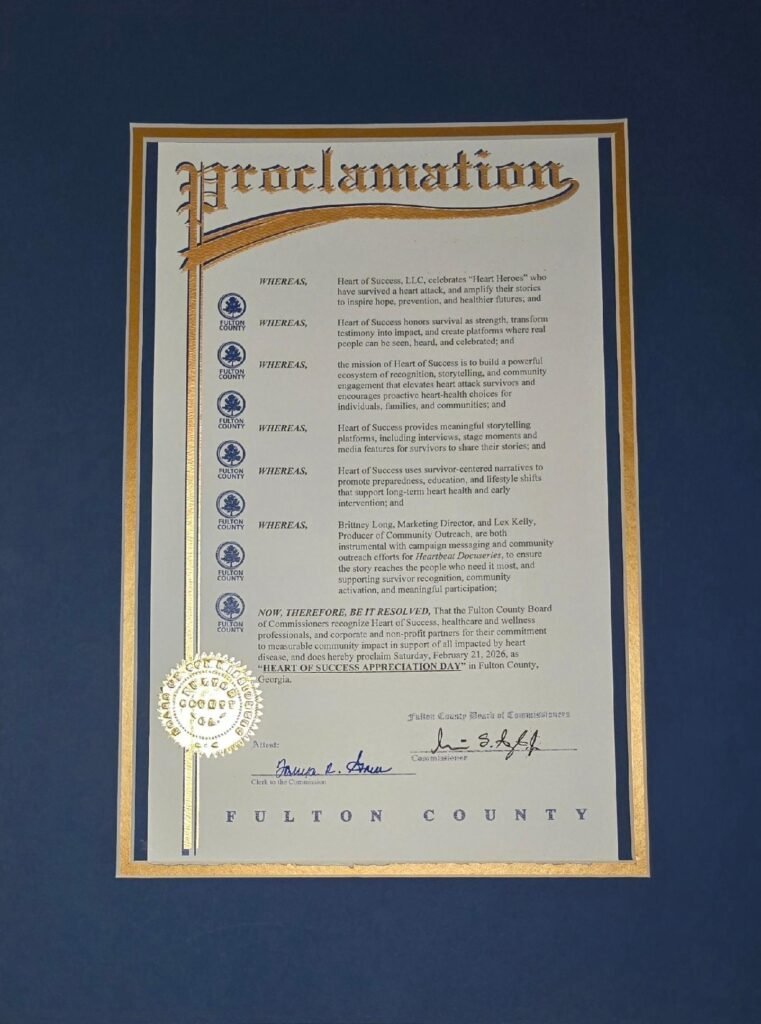
One person dies every 34 seconds from cardiovascular disease in the United States. That statistic opened the evening—and by the time the lights came back on, it had changed the way an entire room thought about their own.
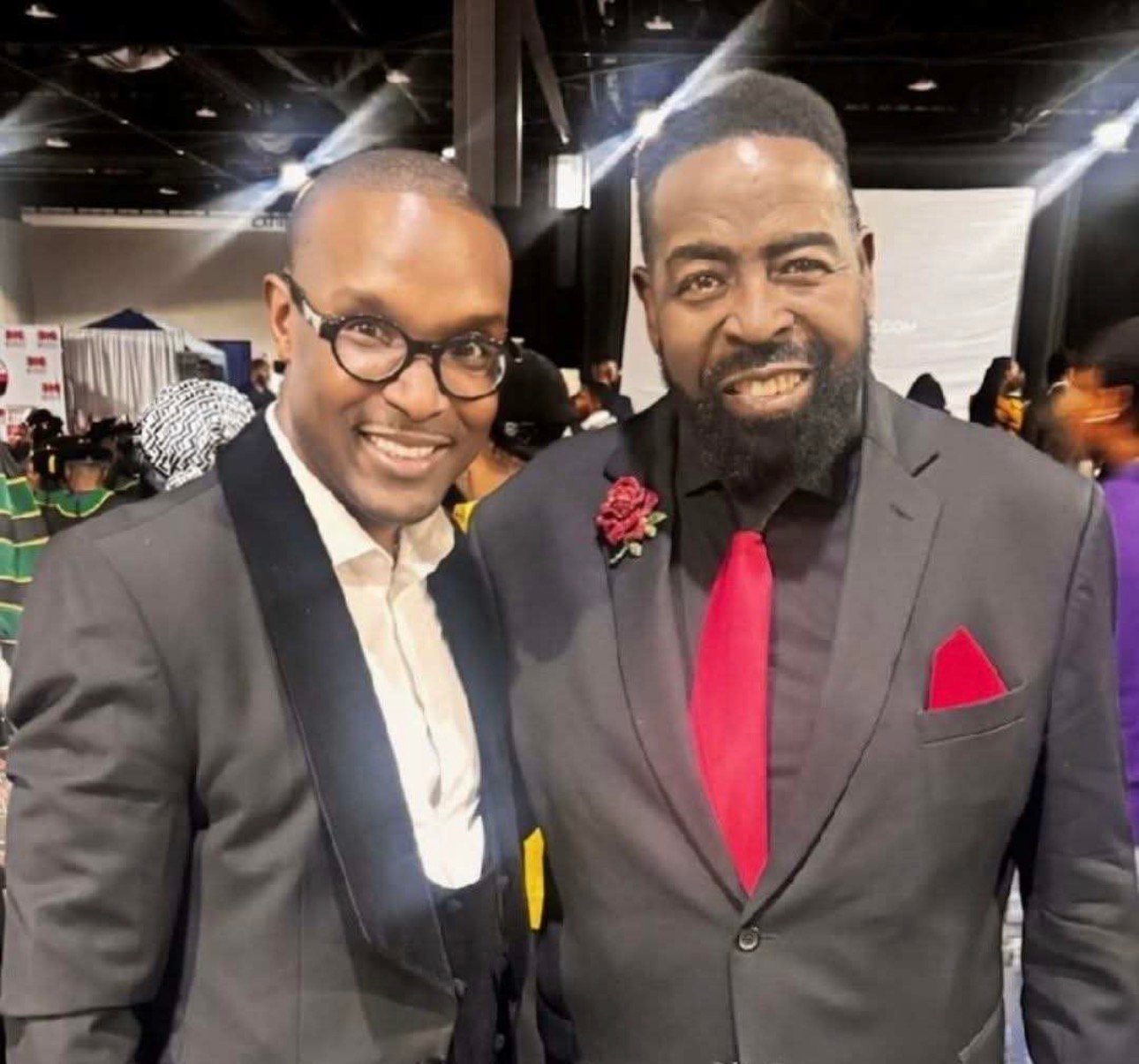
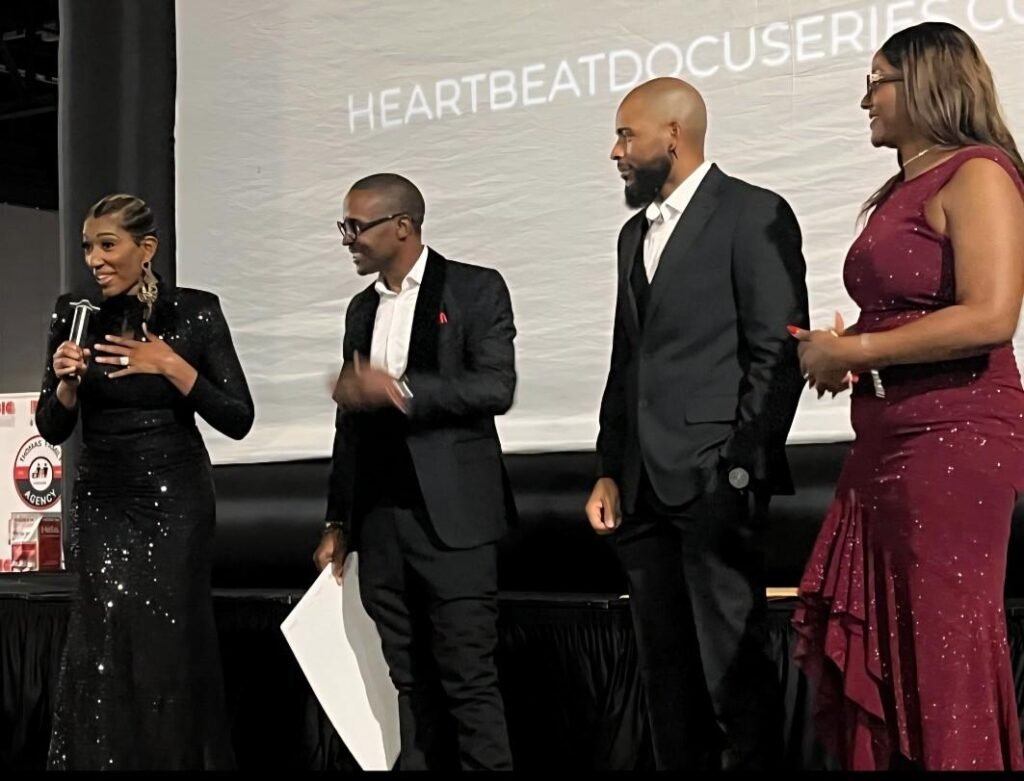
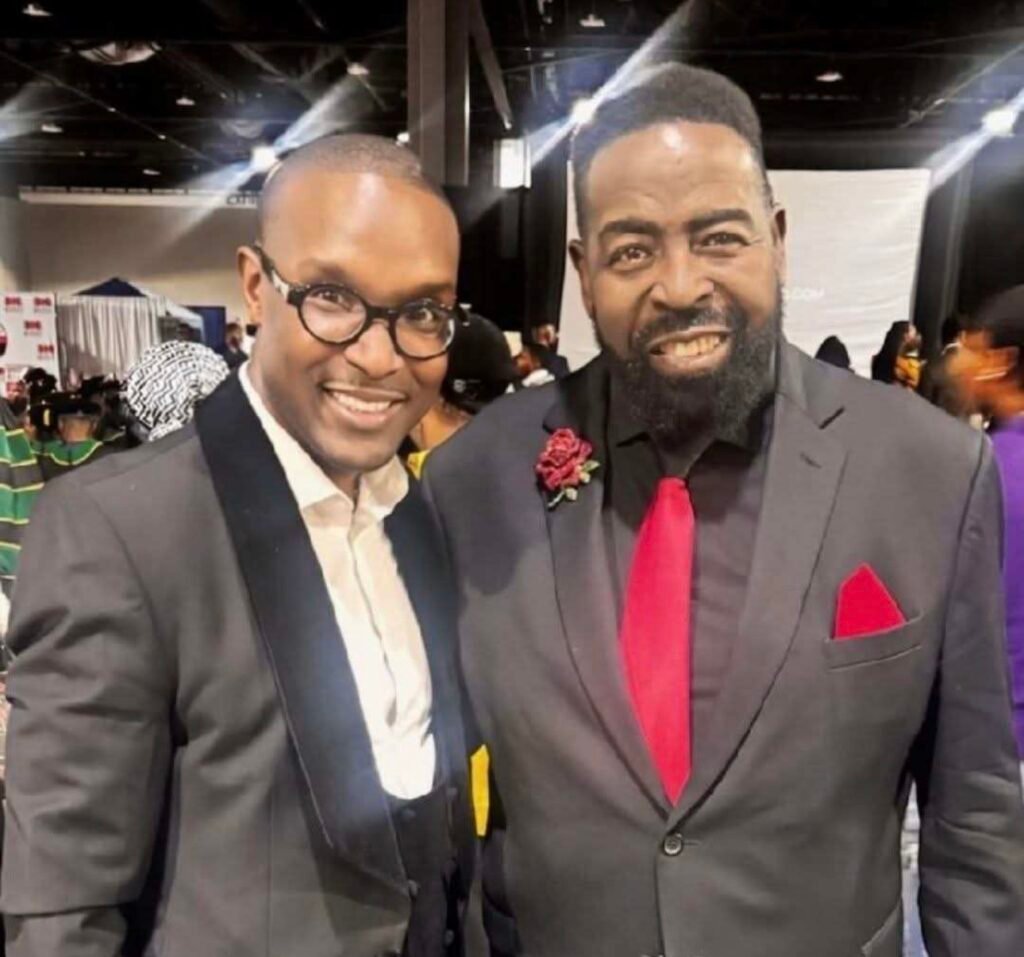
Dr. Ric Mathis, the internationally recognized filmmaker known as the “Documentary King,” brought his latest docuseries Heartbeat to a packed screening event that was equal parts cinema, community gathering, and public health intervention. What unfolded was more than a premiere—it was a moment that could genuinely save lives.
A Silent Killer Meets a Powerful Storyteller
Heart disease is the leading cause of death in the United States, killing more Americans than all forms of cancer and accidental deaths combined. In 2022 alone, cardiovascular disease claimed about 941,652 lives nationwide. Yet for all its devastation, heart disease often arrives without warning: in the U.S., someone has a heart attack every 40 seconds, and about 1 in 5 of those heart attacks is “silent” — the damage is done, but the person doesn’t even know it.
That invisible danger is exactly what Heartbeat confronts head-on. From the opening seconds of the trailer—“I didn’t even see this thing coming. It was silent. It was sudden. And for many of us… it’s deadly.”—the audience is pulled into the harrowing, first-person accounts of survivors who came within moments of losing everything. One survivor describes their actual heart being placed on ice while their fate hung in the balance. The silence in the room says it all: this is no longer a statistic on a screen; it is a mirror.
The Numbers That Shook the Room
Dr. Mathis doesn’t just tell a story—he arms his audience with facts that demand action:
- In the United States, someone has a heart attack every 40 seconds.newsroom.heart+1
- Roughly 805,000 heart attacks occur in the U.S. each year; 605,000 of them are first-time events.
- More than 350,000 people experience cardiac arrest outside a hospital annually, and only about 10% survive, even with paramedic treatment.
- Cardiovascular disease costs the U.S. an estimated hundreds of billions of dollars in direct and indirect costs every year.
These numbers land differently when paired with the faces and voices in the documentary. Attendees described seeing their parents, their partners, and even themselves in the stories on screen.
A Wake-Up Call for Black Communities
The screening carries particular weight for the Black community, where the stakes are even higher.
Black Americans are about 30% more likely to die from heart disease than white Americans.
Black men face a significantly higher risk of developing heart failure compared with white men. African Americans also have some of the highest rates of uncontrolled hypertension in the world, dramatically increasing their risk of heart disease and stroke.
A major Tulane University study found that Black Americans are 54% more likely to die from cardiovascular disease, and that this disparity is driven largely by social determinants of health such as unemployment, low income, food insecurity, and lack of access to care. When researchers adjusted for these social factors, the racial gap in cardiovascular deaths completely disappeared.
This is the injustice Heartbeat refuses to let audiences ignore. Dr. Mathis uses the post-screening conversation to connect the dots between systemic inequality and the heart attacks happening in neighborhoods across the country—turning grief into understanding, and understanding into action.
From Screening Room to Doctor’s Office
What sets this event apart is how Dr. Mathis blends powerful storytelling with real-world solutions. Following the film, he leads a candid panel discussion with medical professionals and heart attack survivors, covering symptoms, prevention strategies, and often-overlooked warning signs—especially in communities where trust in healthcare has been historically broken.
The results are immediate and tangible:
- Guests sign up for health screenings on the spot.
- Attendees pledge to schedule overdue medical appointments.
- Clips and quotes from the film flood social media, turning one screening into a living awareness campaign.
- Multiple guests say the film “might have just saved my life.”
- Others commit to sharing Heartbeat with their families, churches, and community organizations.
As many cardiologists note, too many patients—particularly Black patients—see a heart specialist only after they’ve had a cardiac event. Heartbeat is designed to reverse that pattern by making prevention feel urgent and personal.

More Than a Film—A Movement
Dr. Ric Mathis has spent more than two decades using the screen as a tool for empowerment—from his acclaimed Black Friday documentary series to the biographical film Bo Legs and his financial literacy work through Rich Kid Society. With Heartbeat, he has extended that mission into the most intimate territory yet: keeping people alive.
The success of this screening is not measured in ticket sales alone. It is measured in the quiet decisions people make afterward—to get checked, to change a habit, to have a difficult conversation about health, to stop ignoring warning signs. In a country where heart disease is responsible for roughly 1 in every 3 deaths, and where the first symptom can sometimes be the last, awareness is not optional—it is survival.
If even one life is saved because someone sat in that theater and decided to take action, then Heartbeat has done exactly what it was created to do.
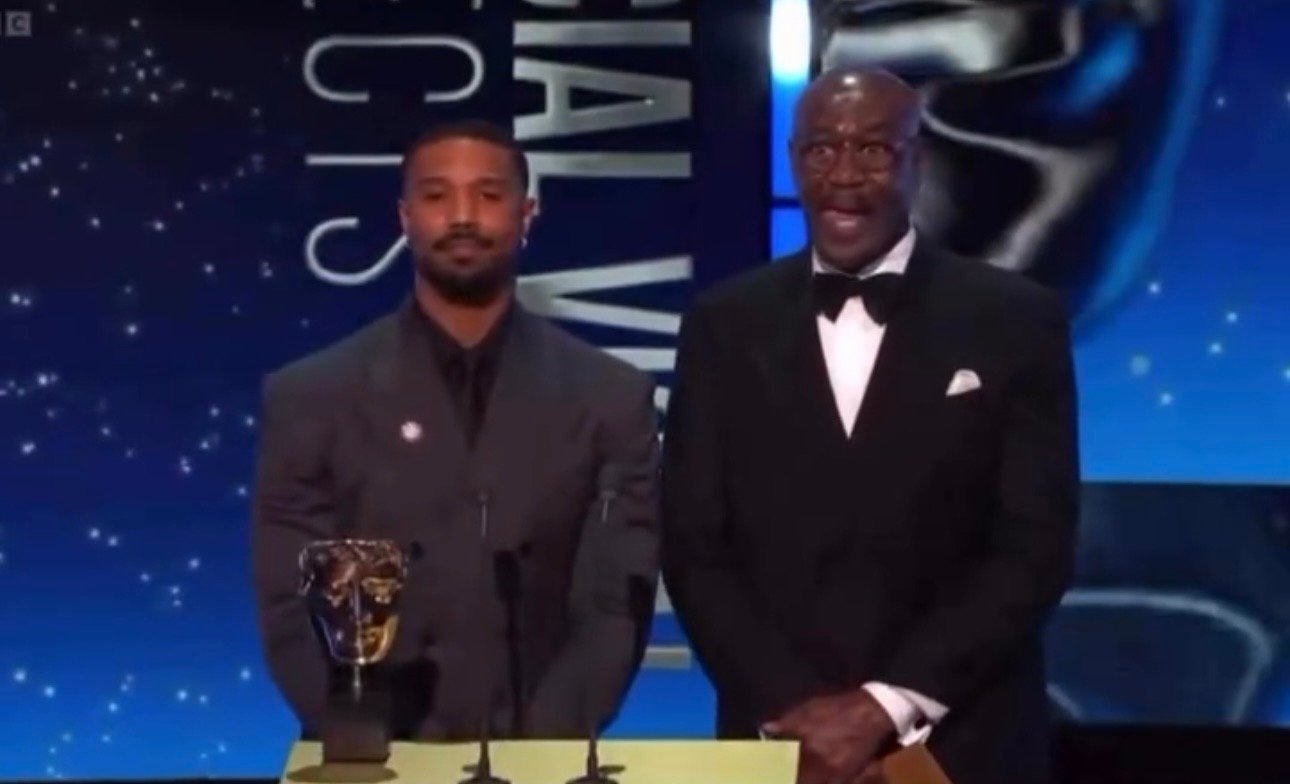
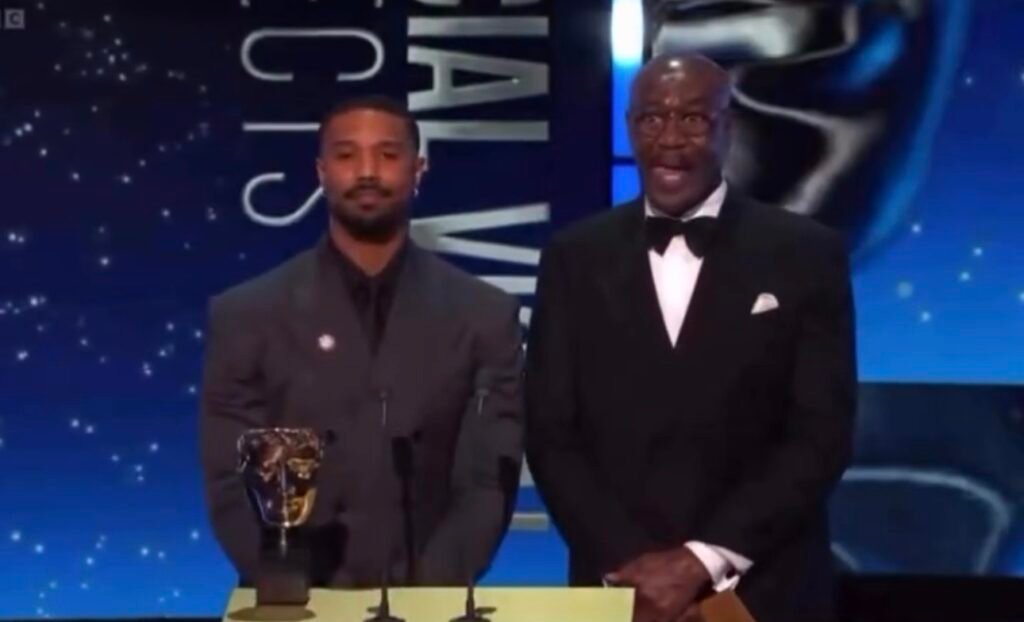
Michael B. Jordan and Delroy Lindo did not walk onto the BAFTA stage expecting to become a case study in how the industry mishandles racism in real time. They were there to present, hit their marks, and do what award shows have always asked of Black talent: bring charisma, sell the moment, keep the night moving.
Instead, while they stood under the lights, a man in the audience shouted the N‑word. The word carried across the theater and through the broadcast. The cameras kept rolling. The teleprompter kept scrolling. And the two men at the center of it did what they’ve been trained their entire careers to do: they kept going.
The incident was shocking, but the pattern around it was familiar.
The Apologies That Came After the Credits
In the days that followed, BAFTA released a public apology. The organization said it took responsibility for putting its guests “in a very difficult situation,” acknowledged that the word used carries deep trauma, and apologized to Michael B. Jordan and Delroy Lindo. It also praised them for their “dignity and professionalism” in continuing to present.
The man who shouted the slur, a Tourette syndrome campaigner, explained that his outbursts are involuntary and expressed remorse for the pain his tic caused. That context about disability matters. Any honest conversation has to hold space for the reality that not every harmful word is spoken with intent.
But context doesn’t erase impact. For people watching at home—and especially for the men on that stage—the sequence was still the same: a slur detonated in the room, the show continued as if nothing happened, and the institutional response arrived later, in carefully crafted language.
Delroy Lindo summed up the experience by saying he and Jordan “did what we had to do,” and added that he wished someone from the organization had spoken with them directly afterward. That gap between polished statements and real‑time care is exactly where trust breaks down.
Who Is “Professionalism” Really Protecting?
Strip away the PR and a hard truth emerges: almost all of the pressure fell on the people who were harmed, not the people in charge.
On stage, “professionalism” meant Jordan and Lindo were expected to stay composed so the room wouldn’t be uncomfortable. Off stage, “professionalism” meant the institution focused on managing optics after the fact instead of disrupting the show in the moment.
That raises a question the industry rarely wants to confront:
When we call for professionalism, whose comfort are we protecting?
For Black artists, professionalism has too often meant:
- Take the hit and keep your face neutral.
- Don’t make it awkward for the audience or the brand.
- Don’t risk being labeled “difficult,” no matter how blatant the disrespect.
It’s easy to admire that composure. It’s harder to admit that the system routinely demands it from the very people absorbing the harm.
If It Can Happen There, It Can Happen Anywhere
This didn’t happen in a chaotic open mic or an unsupervised live stream. It happened at one of the most carefully produced film ceremonies in the world—an event with run‑of‑show documents, stage managers, and communication channels in everyone’s ears.
If an incident like this can unfold there without a pause, it can unfold anywhere:
- At a regional festival Q&A when an audience member crosses a line.
- At a comedy show when someone heckles with a “joke” that’s really just a slur.
- At a film panel where the only Black creator on stage gets a loaded question and is expected to smile through it.
The honest question for anyone who runs events isn’t “How could BAFTA let this happen?” It’s “What would we actually do if it happened in our room?”
Would your moderator know they have explicit permission to stop everything?
Would your team know who goes to the stage, who speaks to the audience, and who stays with the person targeted?
Or would you also be scrambling to get the language right in a statement tomorrow?
Redefining Professionalism in 2026
If this moment is going to mean anything, the definition of professionalism has to change.
Professionalism cannot just be “don’t lose your cool on stage.” It has to include the courage and structure to protect the people on that stage when something goes wrong.
A better standard looks like this:
- Pause the show when serious harm happens. A clean program is not more important than a person’s dignity.
- Acknowledge it in the room. Name what happened in clear terms instead of pretending it didn’t occur and quietly editing it later.
- Center the person targeted. Check on them, give them options, and let their comfort—not the schedule—drive the next move.
- Plan the response before you need it. Build safety and harassment protocols into your festival, awards show, or live event so no one is improvising under pressure.
Sometimes the most professional thing you can do is allow a little discomfort in the room. It signals that human beings matter more than the illusion of seamlessness.
The Standard Going Forward
Michael B. Jordan and Delroy Lindo did what they have always been rewarded for doing: they protected the show. They shouldn’t have had to.
True respect for their craft and humanity would have looked like a room that moved to protect them instead—stopping the script, resetting the energy, and making it clear that the problem wasn’t their reaction, but the harm they’d just absorbed.
No performer should be asked to choose between their dignity and their career. So if you work anywhere in this industry—onstage or behind the scenes—this incident quietly handed you a new baseline:
Call it out.
Pause the show.
Back the person who was harmed.
That’s what professionalism should mean in 2026.
If you’re reading this at 2 AM, scrolling through industry news instead of writing your script, you already know something’s wrong.
You’re not lazy. You’re not untalented. You’re burnt out—and you’re far from alone.
The Numbers Don’t Lie
87% of film and TV workers are facing mental health challenges right now. 62% of creators report burnout, with 65% constantly obsessing over content performance. Even more alarming: 1 in 10 creators experience suicidal thoughts—nearly twice the rate of the general population.
But here’s what the statistics don’t capture: the paralysis. The endless scrolling. The “should I make a feature or pivot to vertical shorts?” loop that keeps you stuck for months. The guilt of watching tutorials instead of shooting. The way political chaos and industry upheaval make creating feel pointless.
The Trap You’re In
You’re waiting. Waiting for the algorithm to make sense. Waiting for the industry to be “fair” again. Waiting for the perfect format, the right budget, the ideal moment when your head is finally clear enough to make something worthy.
That moment isn’t coming.
The filmmakers you admire didn’t wait for perfect conditions. They made their breakthrough films during recessions, pandemics, personal crises, and industry chaos. The only difference between them and you right now? They gave themselves permission to create imperfectly.
Why Now Is Actually the Perfect Time
The industry’s chaos is real, but it’s also created an opening. Streaming platforms are hungry for authentic stories. Independent films are driving growth in the global film market. In 2026, filmmakers with deep trust in a niche have more power than studios chasing mass appeal.
But none of that matters if you’re too exhausted to pick up a camera.
The 3-Day Reset
Here’s what actually helps when you’re stuck:
Day 1: News blackout during creative hours. Not forever. Just when you’re supposed to be creating. The world will still be chaotic tomorrow—but you’ll have protected the only hours that matter for your art.
Day 2: Pick one format. Just one. Feature, shorts, or vertical content—it doesn’t matter which. What matters is ending the analysis paralysis. Your first project won’t be your breakthrough anyway. It’ll be your fifth. So start.
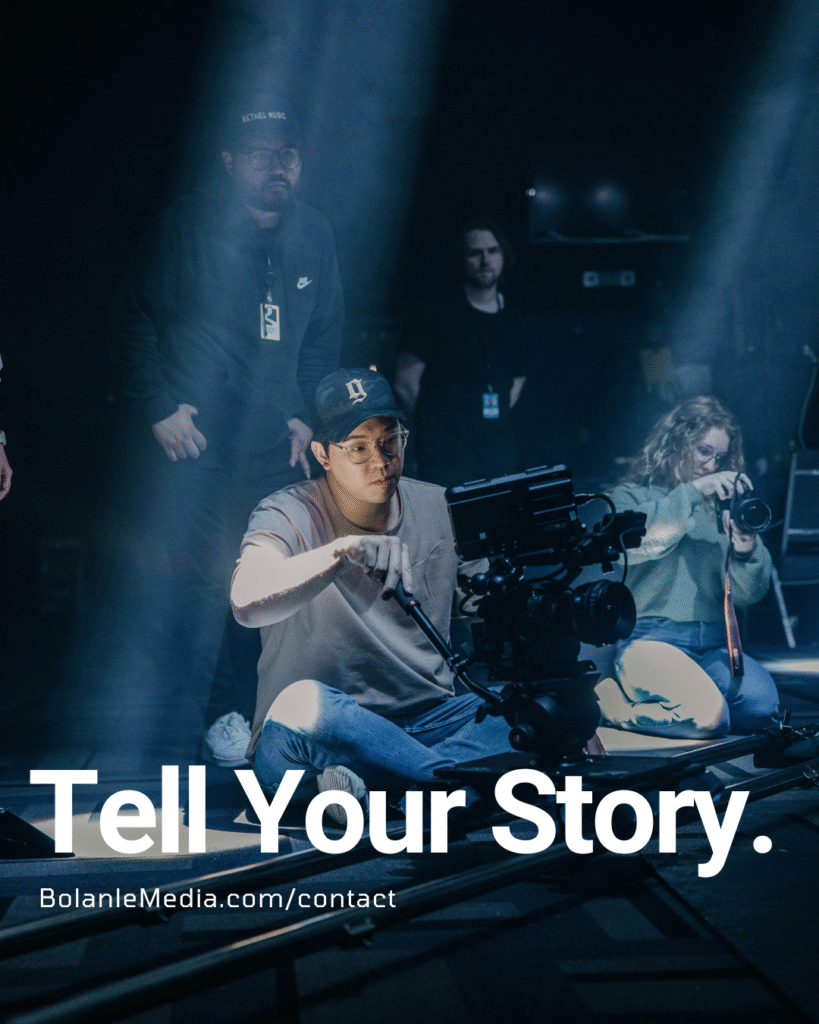
Day 3: Make something imperfect this week. Not good. Not portfolio-worthy. Just made. A 60-second test. A rough scene. Anything that reminds you why you started doing this in the first place.
The Real Problem Isn’t Your Idea
You don’t have a creativity problem. You have an input-overload problem. Your brain is processing election cycles, algorithm changes, industry layoffs, and the constant pressure to “choose the right path” before you’re “allowed” to create.
But creativity doesn’t work on permission slips.
72% of film and TV professionals say the industry is not a mentally healthy place to work. 59% struggle to maintain any work-life balance. 50% face relentless, unrealistic timelines. The system is designed to burn you out.
Your response can’t be to wait for the system to fix itself. It has to be to protect your creative energy like it’s the most valuable resource you have—because it is.
What Happens If You Don’t Reset
The filmmakers who “wait for the right time” never make their films. They become the people who talk about the script they’re “working on” for five years. They’re the ones who know every piece of gear, every distribution strategy, every festival deadline—but have nothing to submit.
Don’t let information replace creation. Don’t let the news cycle steal your narrative.
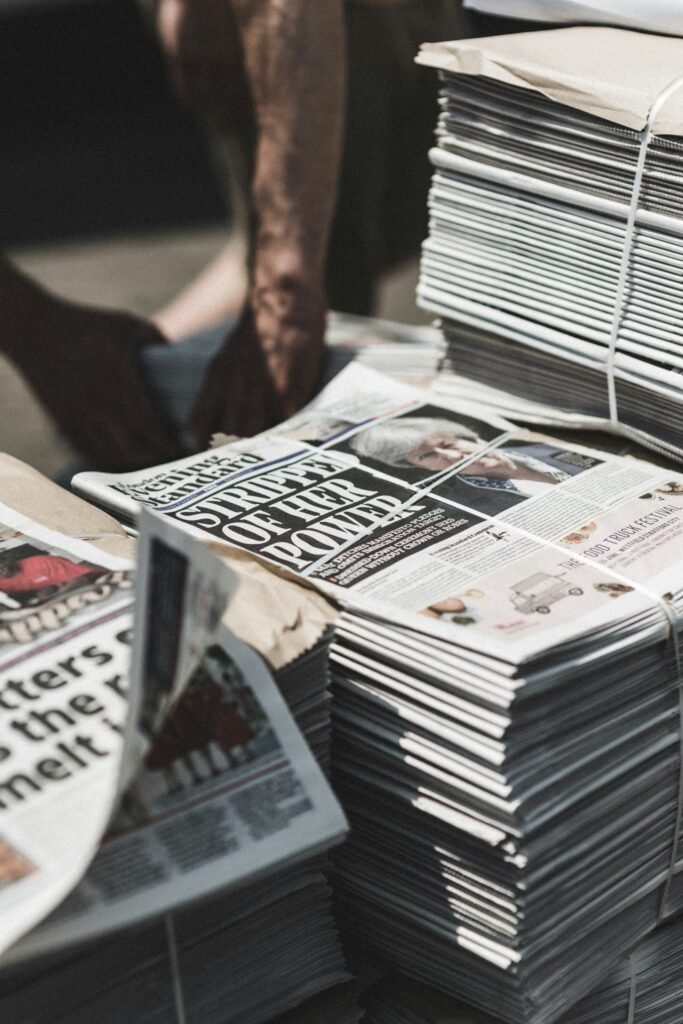
Start Monday
Not when things calm down. Not when you figure out the perfect format. Not when the industry is “fair” again.
Monday. Imperfectly. With whatever you have.
Your story—messy, unpolished, and made anyway—is what the world needs right now. Not your perfectly researched plan. Not your anxiety about choosing wrong.
Your work.
The filmmakers who win in 2026 won’t be the ones who waited for permission. They’ll be the ones who created despite the noise, shipped despite the doubt, and remembered that done beats perfect every single time.
So take the weekend. Unplug from the chaos. Rest without guilt.
Then Monday morning, make something imperfect.
The industry doesn’t need you to wait until you’re ready. It needs you to start before you feel ready—and figure it out as you go.
That’s not reckless. That’s how every film you’ve ever loved actually got made.
If this hit home, you’re not alone. Thousands of independent filmmakers are choosing to create despite the overwhelm. Start your 3-day reset Monday. Your future self will thank you.

How to Find Your Voice as a Filmmaker

How Misinformation Overload Breaks Creative Focus

From Seen to Secured: How Filmmakers Are Owning Their Value


 Advice3 weeks ago
How to Make Your Indie Film Pay Off Without Losing Half to Distributors
- Advice2 days ago
How to Find Your Voice as a Filmmaker
- Business4 weeks ago
How Epstein’s Cash Shaped Artists, Agencies, and Algorithms
- Film Industry3 weeks ago
Why Burnt-Out Filmmakers Need to Unplug Right Now
- Entertainment4 weeks ago
You wanted to make movies, not decode Epstein. Too late.
- News3 weeks ago
Harlem’s Hottest Ticket: Ladawn Mechelle Taylor Live
- News2 days ago
How Misinformation Overload Breaks Creative Focus
- News4 weeks ago
Forget the Box Office: The New Blockbuster Lives in the “Swipe Up”