Entertainment
These Movies Aren’t “True Crime for Fun”
When scandals and cover‑ups dominate the timeline, it’s tempting to process them the same way we process everything else online: as content.
A headline becomes a meme, a victim becomes a character, and a years‑long story of abuse or corruption gets flattened into a 30‑second clip. In that kind of environment, it matters what we choose to watch—and how we watch it.
Some films lean into shock and spectacle. Others slow us down, asking us to sit with the systems that make these stories possible in the first place.


This article is about that second group.
Below are three films that are difficult, necessary, and deeply relevant when we’re surrounded by conversations about power, silence, and who actually gets held accountable. They’re not “true crime for fun.” They are stories about people who push back: journalists digging through archives, lawyers refusing to look away, and insiders who decide that telling the truth matters more than staying comfortable.


Why movies about accountability matter right now
There’s a difference between consuming tragedy and engaging with it.
Scroll culture trains us to treat everything as a quick hit: outrage, reaction, move on. But systemic abuse and corruption don’t work on a 24‑hour cycle. They live in sealed files, non‑disclosure agreements, money, and relationships that make it easier to protect those in power than the people they harm. Films that focus on accountability rather than spectacle can do three important things:


- Slow our attention down long enough to see how cover‑ups are built—through policies, reputations, and quiet decisions, not just villains and heroes.
- Give us a closer look at the people trying to break those systems open: reporters, lawyers, whistleblowers, survivors, and community members.
- Help us recognize the patterns so that when a new scandal breaks, we have more than vibes and rumors to work with—we see mechanisms, not just headlines.
With that frame in mind, here are three films that are worth revisiting or discovering for the first time.

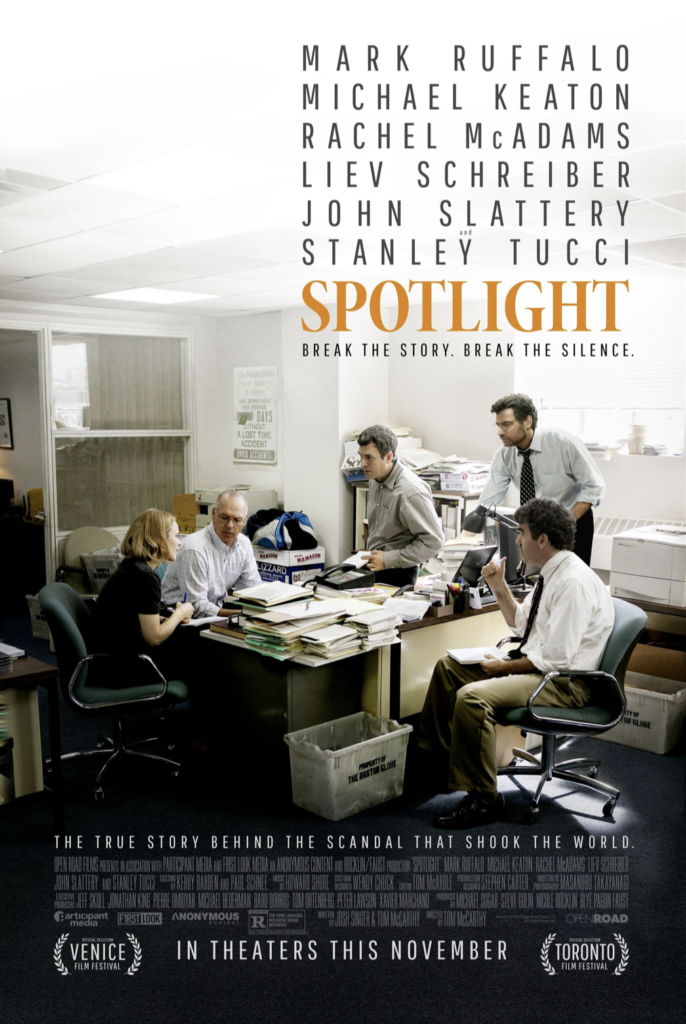
Spotlight: following the paper trail
Spotlight follows a small investigative team at a Boston newspaper as they uncover decades of child abuse inside the Catholic Church and the institutional effort to conceal it. It’s not flashy. There are no chase scenes, no “big twist.” The tension comes from phone calls that aren’t returned, doors that stay closed, and documents that may or may not exist. That’s the point.
The power of Spotlight is in its realism. The journalists don’t “win” through a single heroic act; they win through months of stubborn, often boring work—checking names, cross‑referencing records, going back to survivors who have every reason not to trust them. The film shows how systems protect themselves: not only through powerful leaders, but through a culture of looking away, minimizing harm, or deciding that “now isn’t the right time” to publish the truth.
Watching it in the context of any modern scandal is a reminder that revelations don’t come out of nowhere. Someone has to decide that the story is worth their career, their sleep, their peace. Someone has to keep calling.

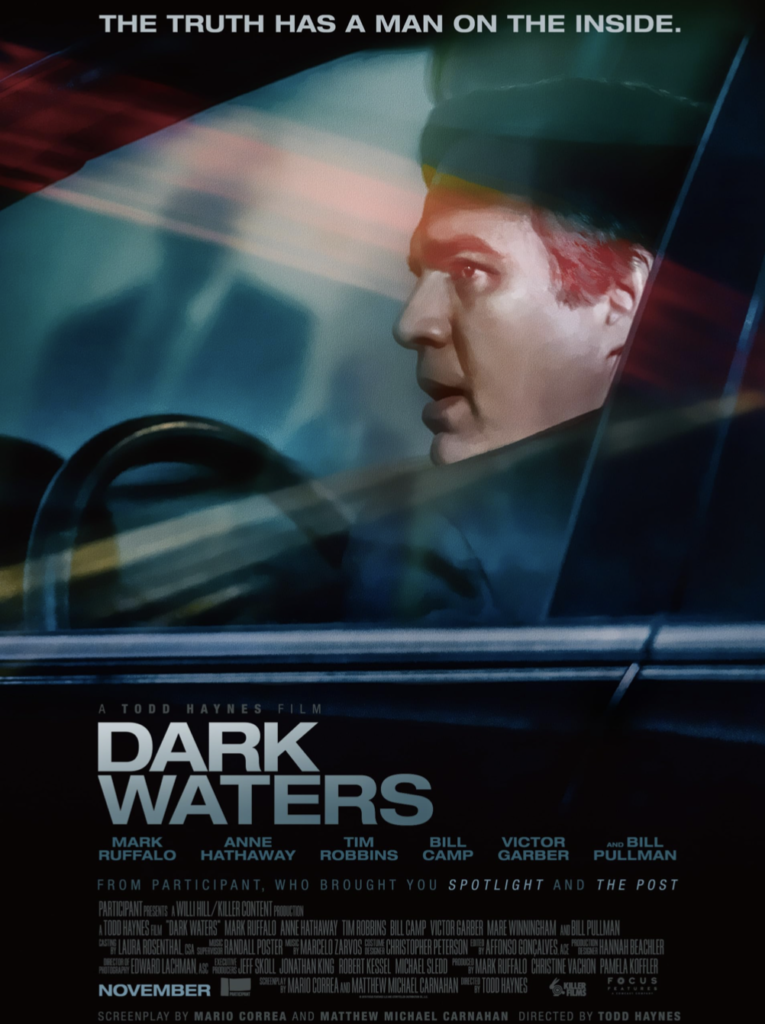
Dark Waters: the cost of not looking away
In Dark Waters, a corporate defense lawyer discovers that a chemical company has been poisoning a community for years. The more he learns, the less plausible it becomes to stay on the side he’s paid to protect. What starts as a single client and a stack of records becomes a decades‑long fight against a corporation with far more money, influence, and time than he has.
The film is heavy—not because of graphic imagery, but because of the slow realization that this could happen anywhere. It shows how corporate harm doesn’t usually look like one dramatic event; it looks like small decisions, tolerated over time, because changing course would be expensive or embarrassing. Internal memos, risk calculations, and legal strategies become characters in their own right.
What makes Dark Waters important in this moment is the way it illustrates complicity. Very few people in the film set out to be “villains.” Many are simply doing their jobs, protecting their company, or choosing the convenient version of the truth. The story forces us to ask uncomfortable questions about where we draw our own lines—and what it costs to cross them.

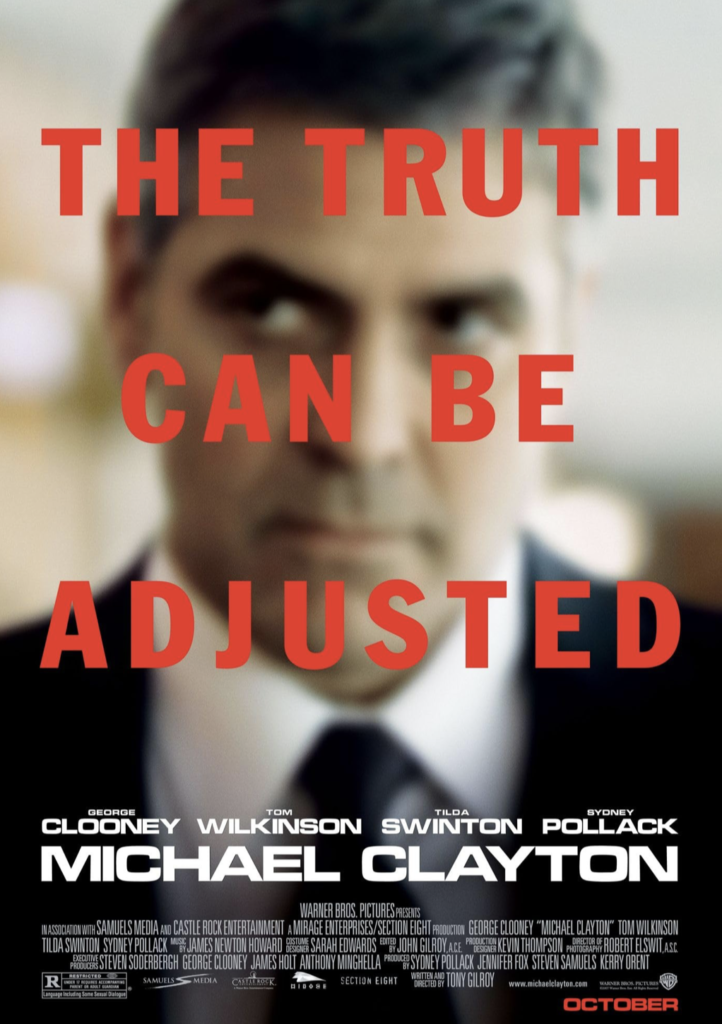
Michael Clayton: inside the clean‑up machine
If Spotlight looks at journalism and Dark Waters at corporate litigation, Michael Clayton focuses on the people whose job is to make problems disappear. The title character is a “fixer” at a prestigious law firm: he isn’t in court, and his name isn’t on the building, but he is the person they call when a client’s mess threatens to become public.
The film peels back the layers of how reputations are maintained. We see how language is used to soften reality—harm becomes “exposure,” victims become “plaintiffs,” and the goal is not necessarily to find the truth but to manage it. When Clayton begins to understand the scale of what his client has done, he faces a question at the core of a lot of modern scandals: what happens when someone inside the machine decides not to play their part anymore?
Michael Clayton is especially resonant when conversations online focus on “who knew” and “who helped.” It reminds us that entire careers and infrastructures exist to protect power and to make sure certain stories never catch fire in the first place.
How to watch these films with care
Because these movies deal with abuse, corruption, and betrayal, they can be emotionally heavy—especially for people who have personal experience with similar harms. A few ways to approach them thoughtfully:
- Check in with yourself before you press play. It’s okay to wait until you’re in a better headspace.
- Watch with someone you trust, or plan a debrief after. These aren’t background‑noise films; they merit conversation.
- Remember that survivors’ experiences are not plot devices. If a conversation about the movie starts turning into speculation or jokes about real people, you have permission to pull it back or step away.
The goal isn’t to turn real‑world pain into “content you can feel good about watching.” It’s to understand the systems around that pain more clearly and to keep our empathy intact.
Why sharing this kind of list matters
Sharing watchlists online can feel trivial, but small choices add up. When we recommend movies that take harm seriously, we’re nudging the culture in a different direction than the endless churn of sensational docuseries and clips built around shock value.
A thoughtful share says:
- I’m paying attention to the structures behind the headlines, not just the gossip.
- I’m interested in stories that center accountability, not just spectacle.
- I want our conversations to honor victims and the people fighting for the truth.
If you decide to post about these films, you don’t have to mention any specific scandal or case at all. You can simply say: “If you’re thinking a lot about power, silence, and cover‑ups right now, these are worth your time.” That alone can open up more grounded, respectful conversations than another round of speculation and rumor.
In a feed full of noise, choosing to highlight stories of persistence, investigation, and courage is its own quiet statement.