Entertainment
What Filmmakers Should Actually Steal From Euphoria

Most of the talk about Euphoria asks one question: was it realistic? That’s the wrong question if you make films. The better one is simpler. How did Sam Levinson get an audience to feel addiction from the inside? And what did it cost him to end the show the way he did?
Strip away the noise and Euphoria is a clinic in three choices: point of view, style, and the ending. Here’s what’s worth taking — and what isn’t.

1. Put the Camera Inside the Character
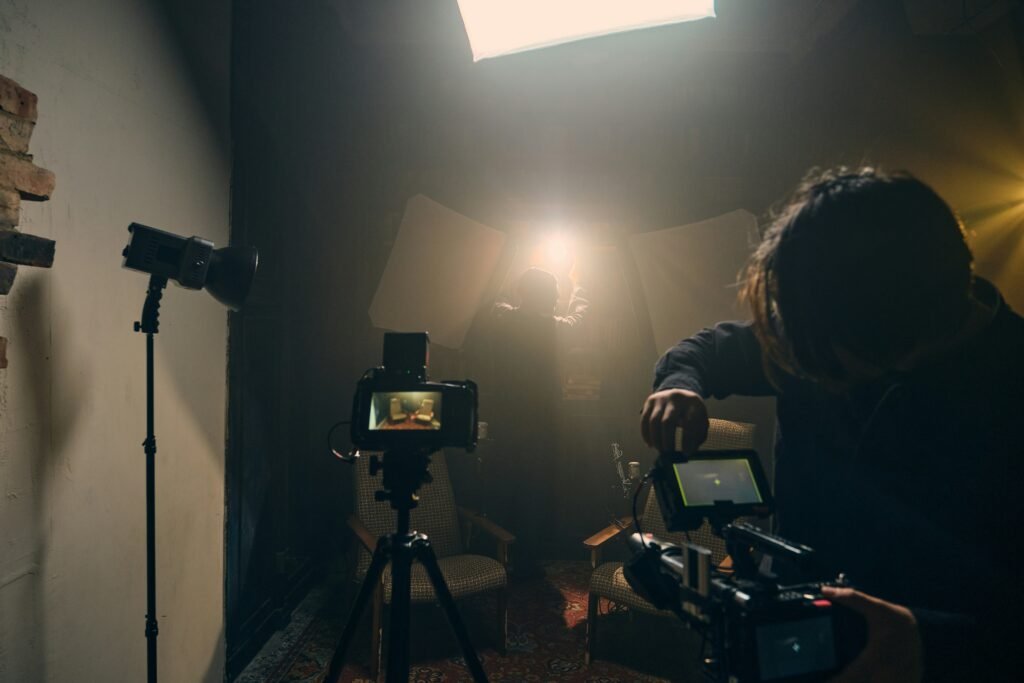
Most shows about drugs watch from across the room. Euphoria doesn’t. When Rue is high, the camera is high too. Walls breathe. Floors tilt. Time skips. You’re not watching her — you’re stuck inside her head.
That’s the lesson: point of view is a decision you make with the camera and the cut, not a mood you add later in color. Levinson builds it into the lens, the blocking, and the edit.
So before you shoot a scene through a character’s eyes, ask one thing on set: whose eyes is this lens standing in for? Then make every cut respect that.
2. Your Style Has to Mean Something
The glitter. The slow push-ins. The impossible club lighting. Euphoria‘s look got copied everywhere. That’s the trap.
The style worked because it carried weight. The beauty wasn’t decoration — it was the lie addiction tells you, the reason the next high looks worth it. The camera made self-destruction gorgeous on purpose.
The copies missed that. A thousand music videos took the look and left the meaning behind, and you can feel how hollow they are. So here’s the test: if your signature style could be swapped onto any other project and still “work,” it’s not a style. It’s a filter. Every choice should have a reason behind it.

3. The Ending Tells the Audience What It All Meant
When Euphoria ended for good in Season 3, Levinson killed Rue — an accidental, fentanyl-laced overdose. He called it “the honest ending,” saying he wanted to tell a true story about addiction and grief in a time when one mistake can be the last one. Reportedly, that wasn’t the original plan; the death of Angus Cloud, who played Fezco, changed the script.
Forget whether you agree with the choice. Study how it works. An ending is the last instruction you give your audience about how to read everything before it.
By ending on consequence instead of recovery, Levinson reframed seven years of beautiful chaos as a story about cost — not a celebration of it.

It’s also the show’s most debatable move, and that’s worth noticing too. A show that spent years making pain look beautiful had to fight to make that pain land as loss. Did it earn the ending, or enjoy the wreckage too long to stick it? Smart filmmakers will disagree — and that argument is exactly what a good ending is supposed to start.

What Not to Take
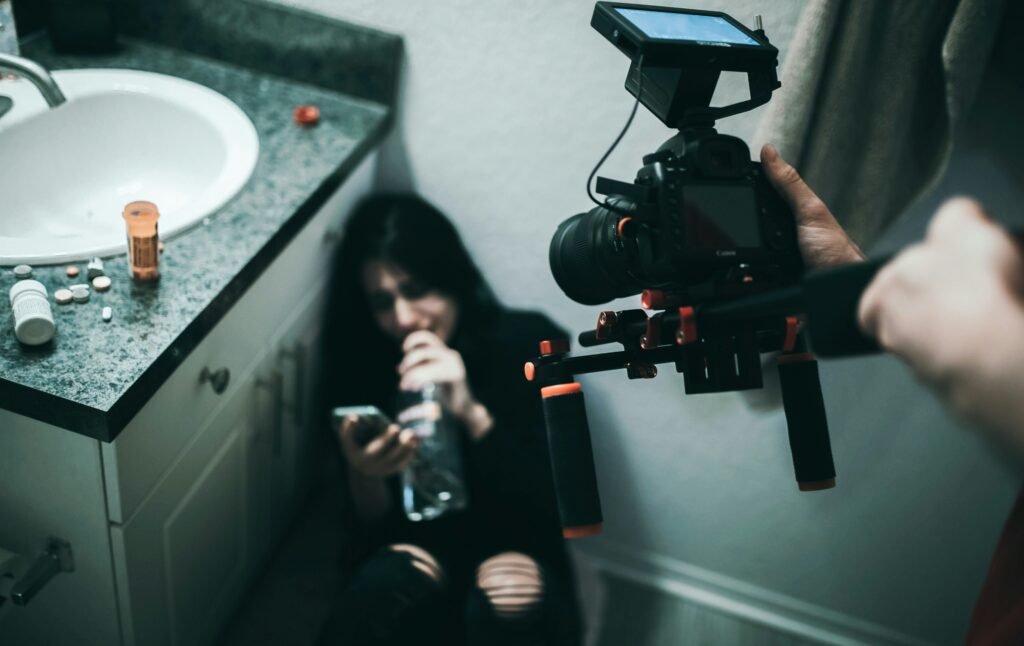
The neon grief is the most copied part. It’s also the least useful. Take the surface — the colors, the slow-mo, the trauma-as-texture — and you get the costume without the body.
The real craft is underneath. Commit your camera to a real point of view. Make every stylistic choice earn its place. Treat your ending as the point of the whole thing. Do that, and your work won’t look like Euphoria. It’ll do what Euphoria did.
This piece touches on addiction and substance use. If you or someone you know is struggling, support is available through the SAMHSA National Helpline at 1-800-662-4357.