News
Mexico Bans Dophin Shows Nationwide

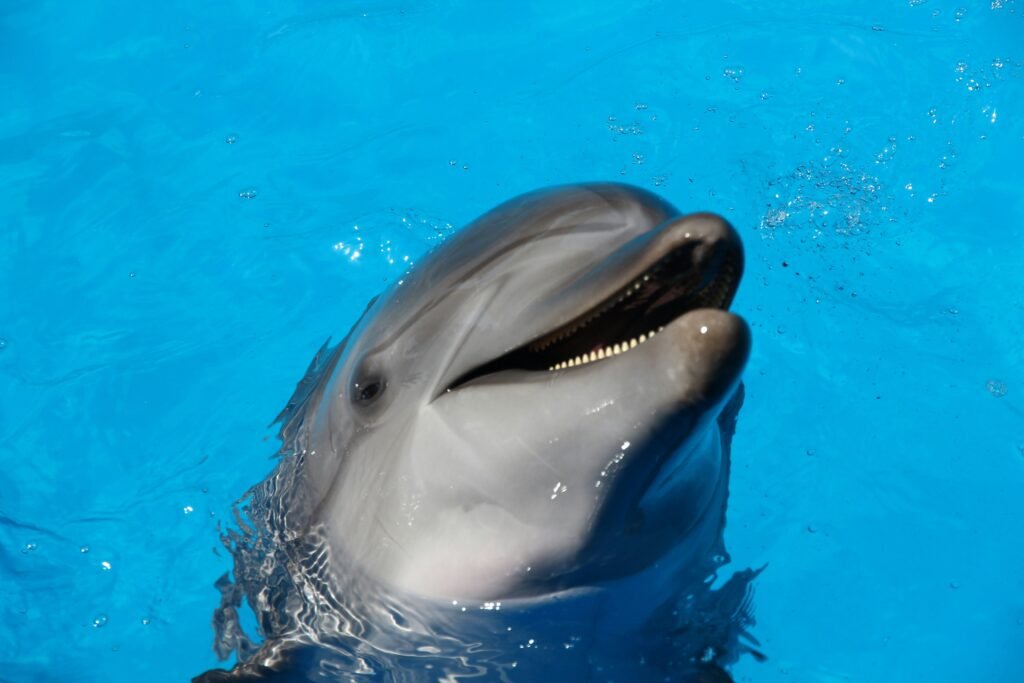
Mexico has approved a nationwide ban on dolphin shows and the use of captive marine mammals in entertainment, making it one of the strongest marine animal protection laws in the world. The reform requires dolphinariums and marine parks across the country to phase out performances, breeding, and swim‑with‑dolphin attractions and to relocate hundreds of dolphins to seaside sanctuaries or sea pens under strict welfare rules.

What the new law does
Mexico’s Congress unanimously reformed the General Wildlife Law to prohibit the use of dolphins and other marine mammals in shows, therapy, tourist attractions, and any activity not directly tied to conservation or strictly regulated scientific research. The text also bans captive breeding for entertainment or tourism, closing a legal loophole that had allowed facilities to replenish and expand their shows.
The ban covers all permanent and traveling venues, ending dolphin performances, orca and sea‑lion shows, and commercial swim‑with‑dolphin programs nationwide. New dolphinariums are forbidden, and “extractive exploitation” of marine mammals is only allowed in limited, non‑commercial conservation or rescue scenarios.


What happens to captive dolphins
Mexico holds an estimated 30 dolphinariums and roughly 350 captive dolphins, making it one of the world’s major markets for dolphin entertainment. Under the reform, these animals cannot be dumped, sold back into the entertainment trade, or killed; instead, they must be transferred to sea pens or seaside sanctuaries and maintained under higher welfare standards for the rest of their lives.
Authorities have up to a year to finalize implementing regulations and up to about 18 months to complete relocation from concrete tanks to more natural marine environments, according to groups monitoring the process. Facilities that fail to comply can face heavy fines in the millions of pesos, along with permit suspensions or closures.
Why “Mincho’s Law” matters
The reform is widely referred to by activists as “Mincho’s Law,” named after a dolphin who was severely injured after crashing onto a concrete surface during a show at a resort in the Riviera Maya. Video of the incident and subsequent reports of other dolphin deaths in the same facility ignited public anger, prompted inspections, and pushed lawmakers to finally act on stalled protections.
Animal‑welfare organizations argue that the law recognizes that keeping highly intelligent, wide‑ranging marine mammals in concrete tanks for tricks and tourist selfies is inherently cruel. They also frame the Mexican decision as part of a global shift away from captive marine mammal entertainment, alongside similar moves in countries such as Canada.

Impact on tourism and industry
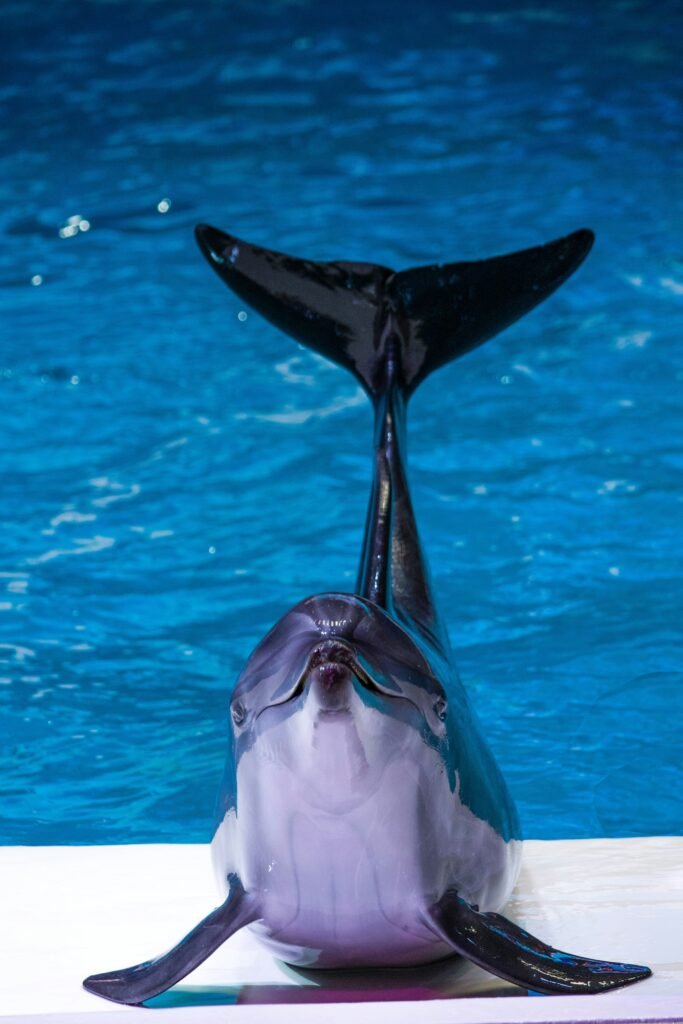
The ban will directly affect popular cruise‑ship excursions and resort‑based attractions built around dolphin swims and shows, especially in coastal tourism hubs like Quintana Roo and Baja California Sur. Operators that previously relied on marine mammal performances will have to reinvent their business models, pivot to non‑animal attractions, or shut down entirely.
Tourism and animal‑rights groups expect the move to boost Mexico’s reputation as an ethical destination, even if there is short‑term disruption for businesses tied to the old model. Travel outlets are already advising visitors that dolphin shows and direct‑contact experiences are being phased out and urging them to seek out responsible wildlife viewing instead, such as observing dolphins in the wild.
What this means for animal welfare
For advocates, the law is being celebrated as a historic win that moves more than 350 dolphins out of purely commercial entertainment and toward more natural sea‑based sanctuaries. It also sets a high bar by combining an end to shows, a ban on captive breeding, relocation out of concrete tanks, and strong enforcement mechanisms in a single national framework.
Campaigners now see Mexico as a potential model for other tourist‑heavy countries that still sell dolphin and marine mammal entertainment. They are pushing for transparent timelines, funding, and oversight to ensure the law does not stay symbolic but delivers real, measurable improvements in the lives of the animals affected.