News
How the New York Knicks Turned a Basketball Team into a Cultural Movement

The New York Knicks didn’t just win games — they turned their franchise into a living, breathing culture that spills out of Madison Square Garden and onto timelines, street corners, and global screens. For filmmakers and creatives, their rise is a blueprint for how to build a world people want to belong to, not just content people scroll past.

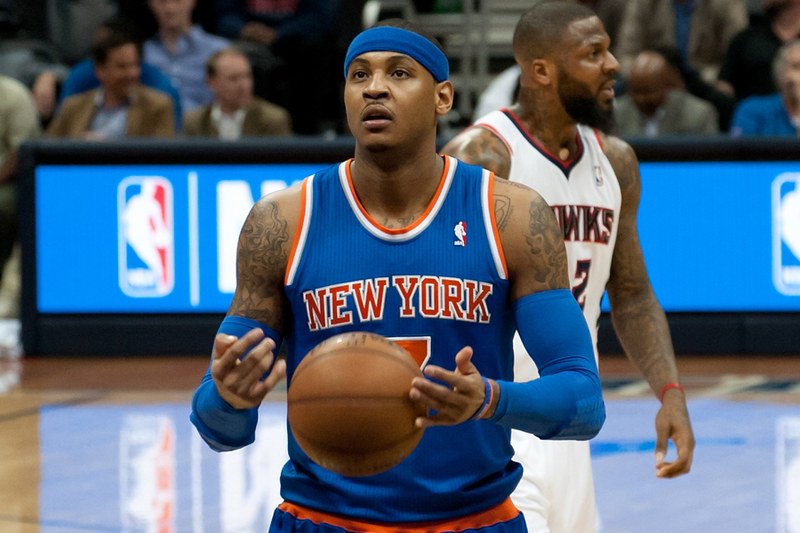
The Knicks as a mirror of New York
The Knicks have always been more than a roster; they’ve been a symbol of New York’s identity, especially in tough eras where the city and the team rose and fell together. From the 1970s onward, writers and historians have pointed out how the Knicks reflected the city’s struggles with decline, race, and rebirth, turning each season into a chapter of New York’s larger story.
“Their jerseys became part of TV wardrobes, their games became plot points, and their fandom became synonymous with New York itself.”[plastik]
That deep fusion of team and city is what every storyteller is chasing: a narrative so embedded in place and people that it feels like home, even to someone watching from thousands of miles away.

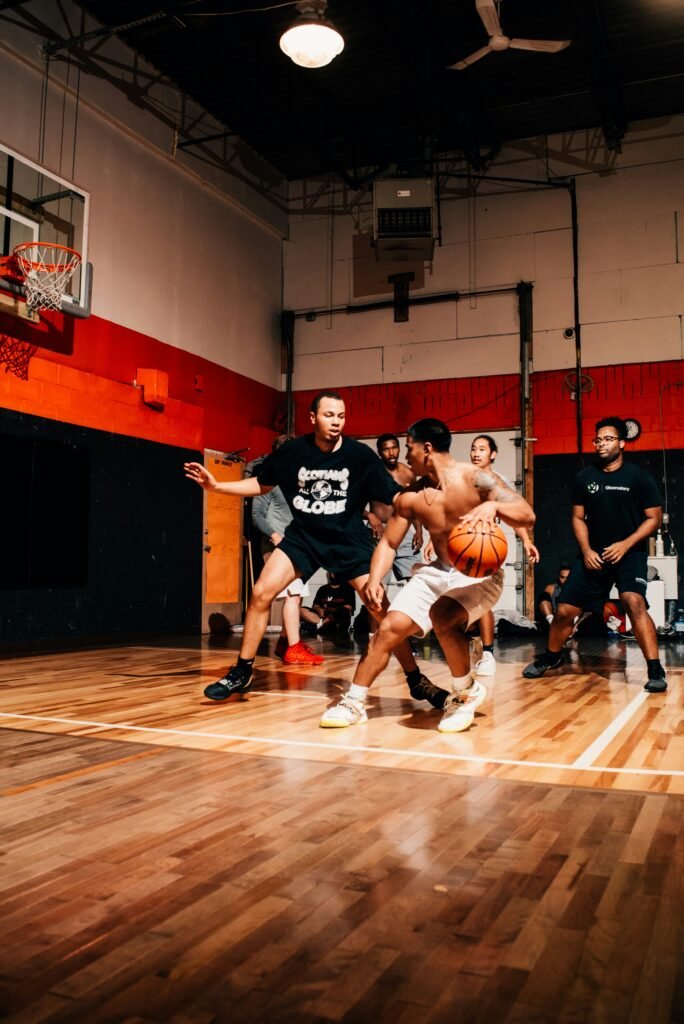
From basketball games to cultural episodes
On paper, each Knicks game is 48 minutes of basketball. In practice, it’s an episodic series: recurring characters, long‑running rivalries, cliffhangers, and season‑long redemption arcs. The recent title run — toppling stars they “weren’t supposed” to beat and finally lifting a championship after decades — reads like a perfectly structured third act in a film.
“The Knicks were not supposed to beat Victor Wembanyama and the Spurs in the NBA Finals. But they did, and they did it together.”- Yahoo
What makes it feel cinematic is how the story lives beyond the court: talk radio, classroom debates, group chats, and social feeds all rewinding plays, arguing calls, and mythologizing moments in real time. For Bolanle Media’s audience, that’s the lesson — your film, event, or project can’t end at the premiere; it has to continue as shared conversation and communal memory.

Fandom as identity, not “audience”
Knicks fans don’t just “support a team”; they treat fandom as part of who they are — a shorthand for loyalty to New York itself. People describe feeling an instant connection with anyone in blue and orange, as if they’re part of the same extended family, regardless of background.
“What this Knicks run has taught me about identity, community, exile, and being a part of something bigger than yourself.”-Ben Rhodes
That’s what you want around your stories: community, not just viewership. Knicks fans endure decades of pain and still show up; that’s the kind of irrational loyalty great filmmakers and media brands earn when they consistently show people a version of themselves they recognize and cherish.

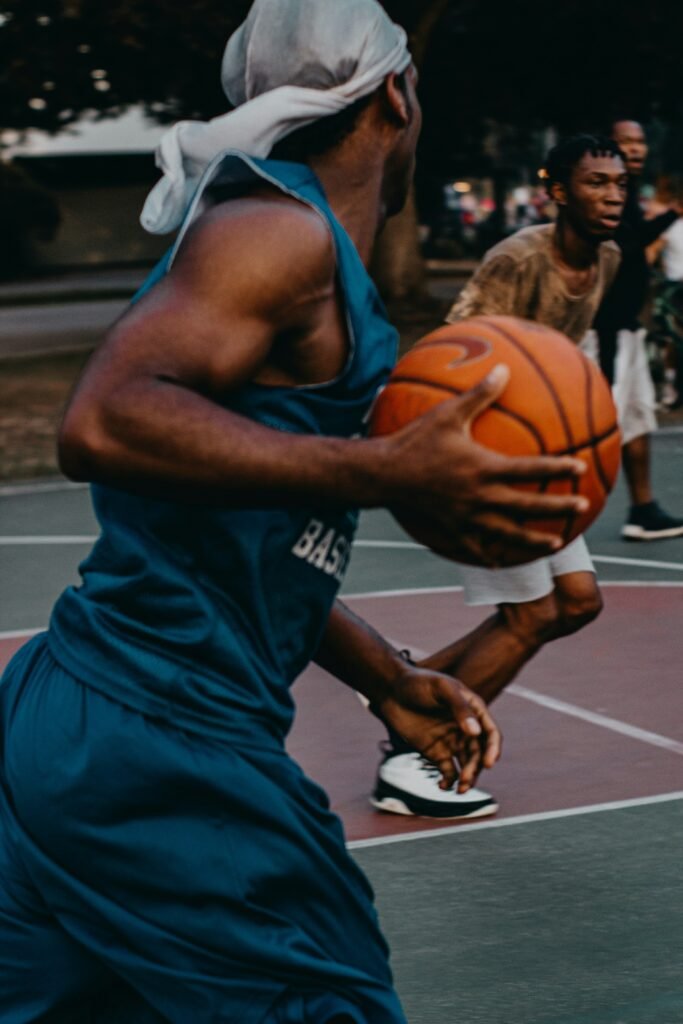
The Mecca, the music, and the memes
Madison Square Garden isn’t just an arena; it’s the Mecca, a character in the story with its own mythology. Playing there links basketball to a wider cultural web: hip‑hop, fashion, celebrity, and the long history of New York as a global stage for performance.
A single viral chant can become the soundtrack of an entire playoff run, echoing from subway platforms to TikTok edits to late‑night talk shows. Chants, memes, and fan‑made slogans evolve into cultural artifacts that travel far beyond hardcore basketball circles — the same way a catchphrase, shot, or theme song from a film can become part of everyday language.

“In a world dominated by short attention spans, sports may be one of the last shared-interest communities we come back to again and again.”[thestrick]
For creators, the takeaway is clear: build recognizable rituals and sounds around your work — taglines, visual motifs, recurring formats — so audiences can remix and re‑echo them across platforms the way Knicks fans do with chants and clips.
Turning emotion into economy
This cultural movement isn’t abstract; it translates into real economic power. As the Knicks’ fortunes surged, so did ticket demand, street parties, collabs, and content volume — with brands racing to attach themselves to the energy and visibility of the Garden.

Fashion and beauty outlets are now covering Knicks‑inspired nails and street style as a way to tap into the moment, showing that blue and orange have become fashion signals, not just team colors. Media and newsletters are dissecting Knicks fandom as a metaphor for community, politics, and identity, which means the team has crossed into the realm of ideas, not just sports.
For Bolanle Media, that’s the model: when you build real emotional stakes and recognizable culture around your stories, you unlock multiple revenue lanes — screenings, merch, live events, branded content, and partnerships that want to sit next to that energy.

What filmmakers and Bolanle Media can learn
When you zoom out, the Knicks’ turn into a cultural movement rests on a few core principles that map directly onto film and media:
- Root the story in a place and people. The Knicks work because they are unapologetically New York; your projects can lean just as hard into African, diasporic, Houston, and global‑Black identities, instead of smoothing them out.
- Treat each season like a narrative arc. Festivals, slates, and talent rosters should feel like evolving chapters, not random one‑offs — with returning faces, ongoing tensions, and long‑term payoffs.
- Elevate your “arena.” Whether it’s a theater, a pop‑up venue, or a digital platform, make it feel like your own Mecca — visually distinct, ritualized, and instantly recognizable in photos and clips.

- Invest in fandom, not just views. Design spaces (online and offline) where your audience can argue, emote, and see themselves as insiders — Discords, live talkbacks, watch parties, and social formats that keep the story alive. “The Knicks are one of the signature franchises in the NBA, regardless of their on‑court success, because they play in New York City in the legendary Madison Square Garden.”–centernyc
In other words, the Knicks didn’t become a cultural movement by accident — they did it by sitting at the intersection of sport, story, and city, and letting fans co‑author the narrative every step of the way. If Bolanle Media leans into that same triangle — story, space, and community — your films, festivals, and talent can move from “content” to culture just as powerfully.